Last updated November 20, 2026
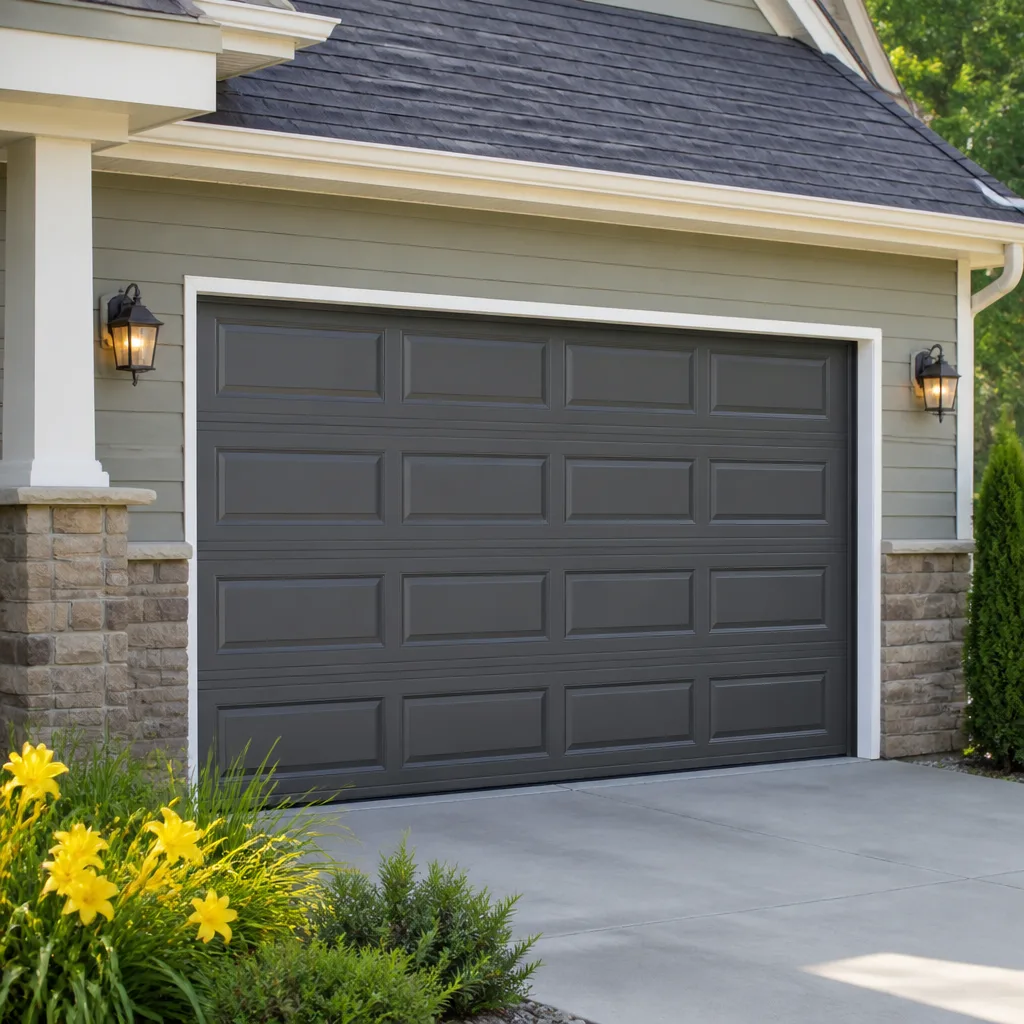 Raised-panel steel
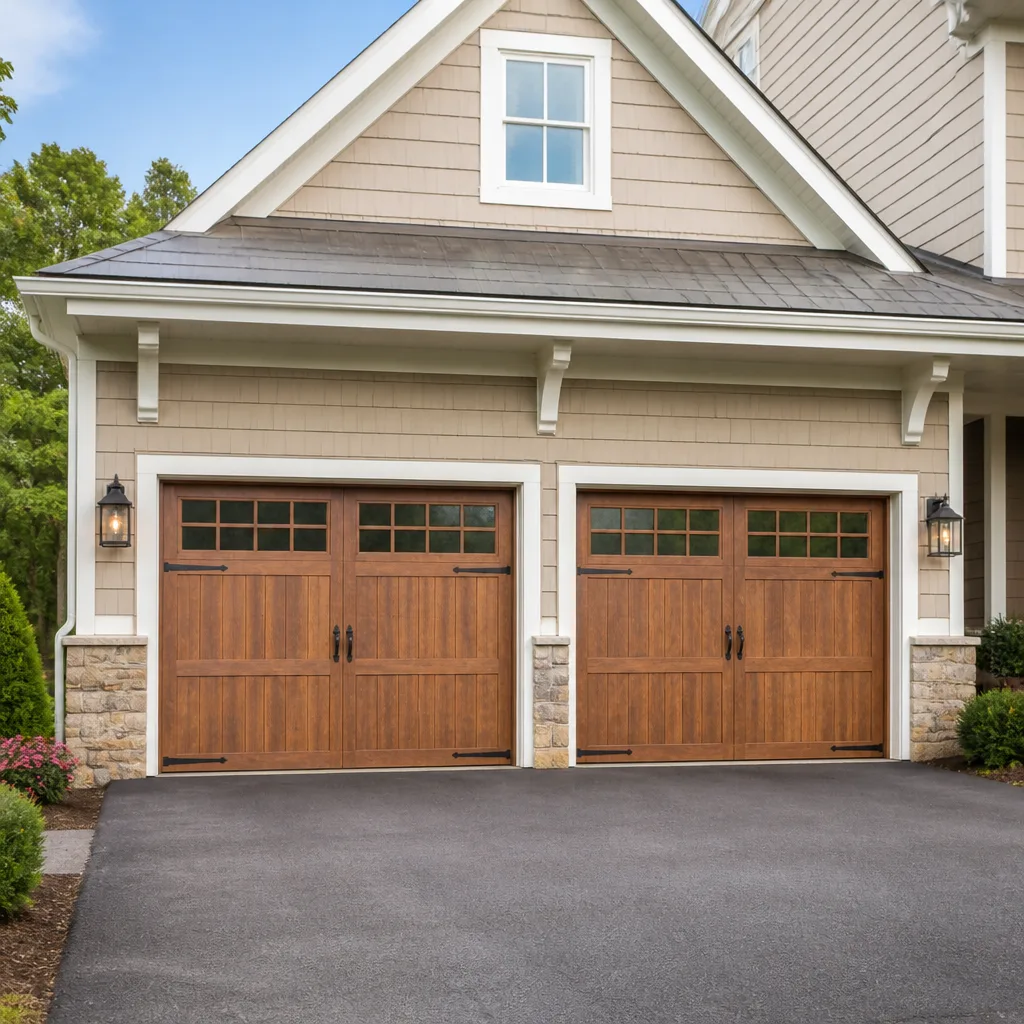 Carriage house
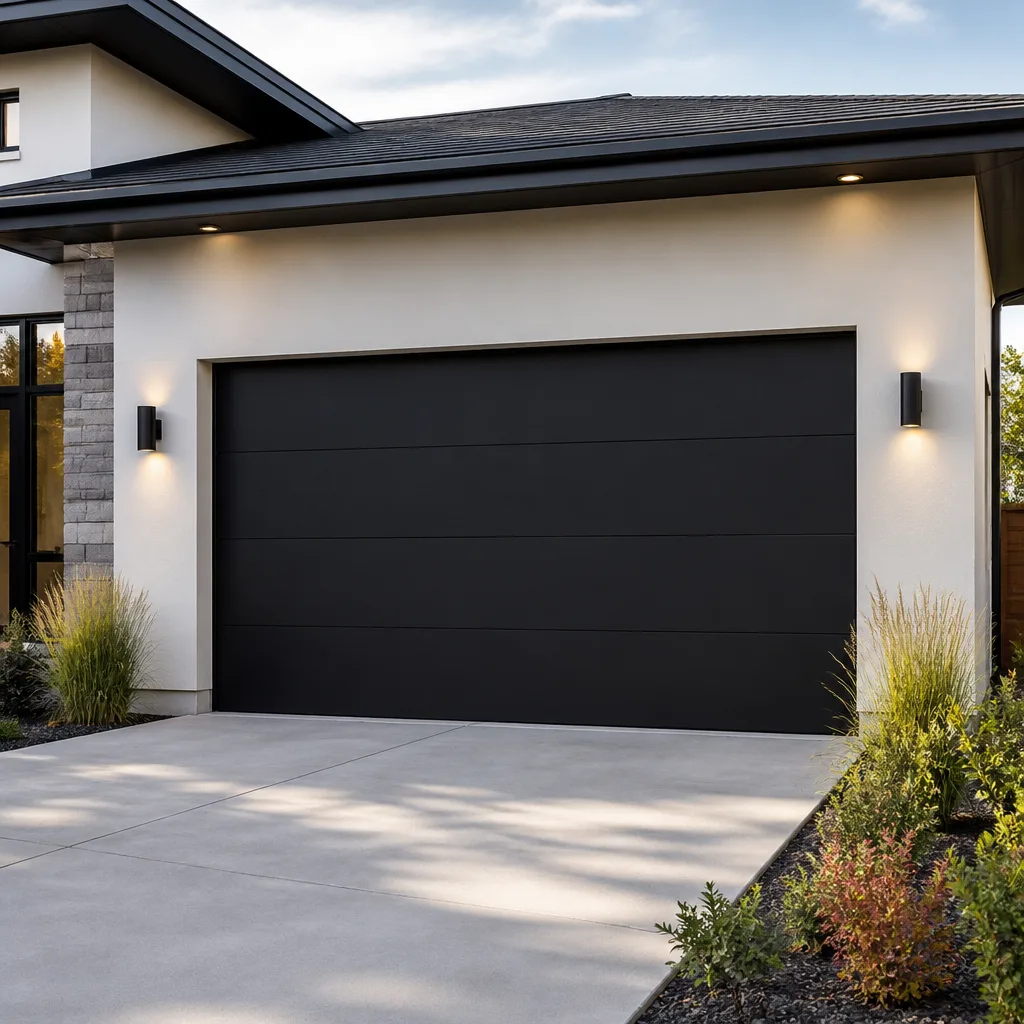 Modern flush
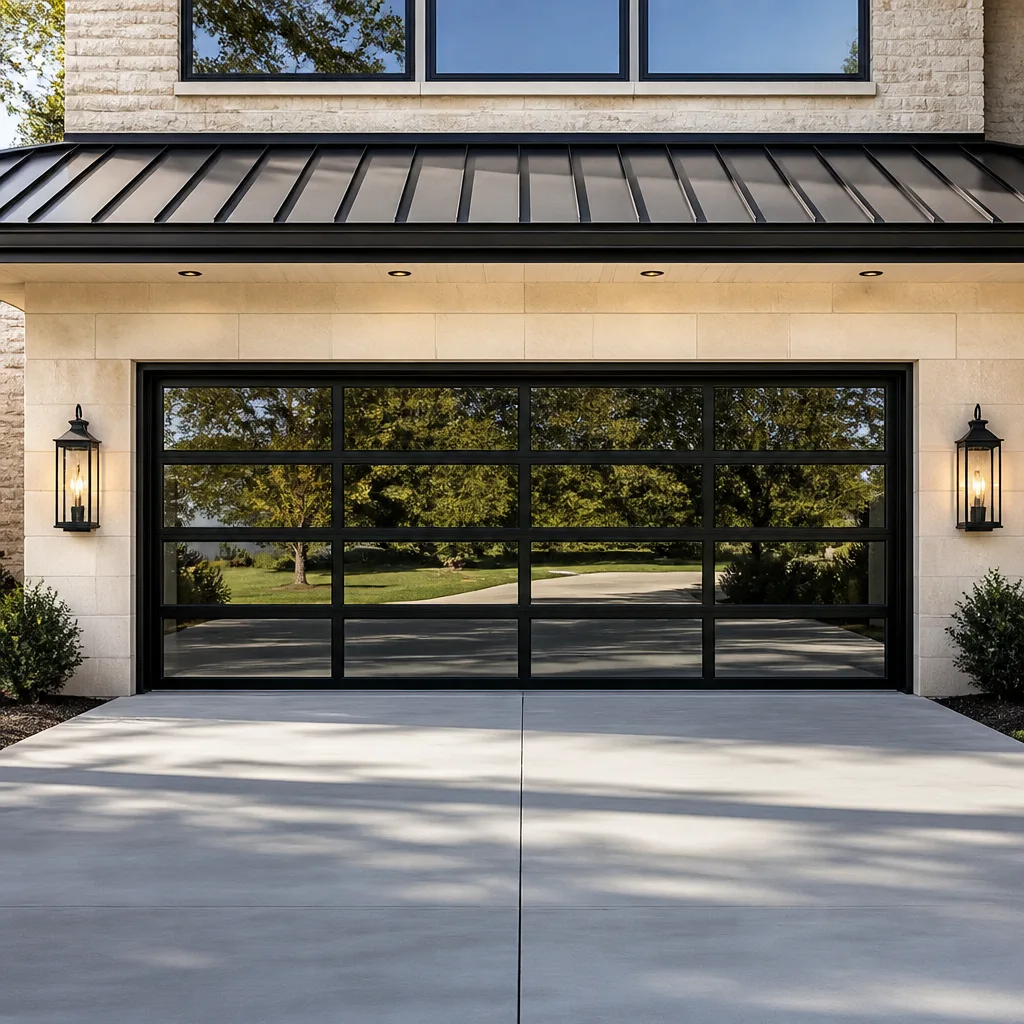 Full-view glass
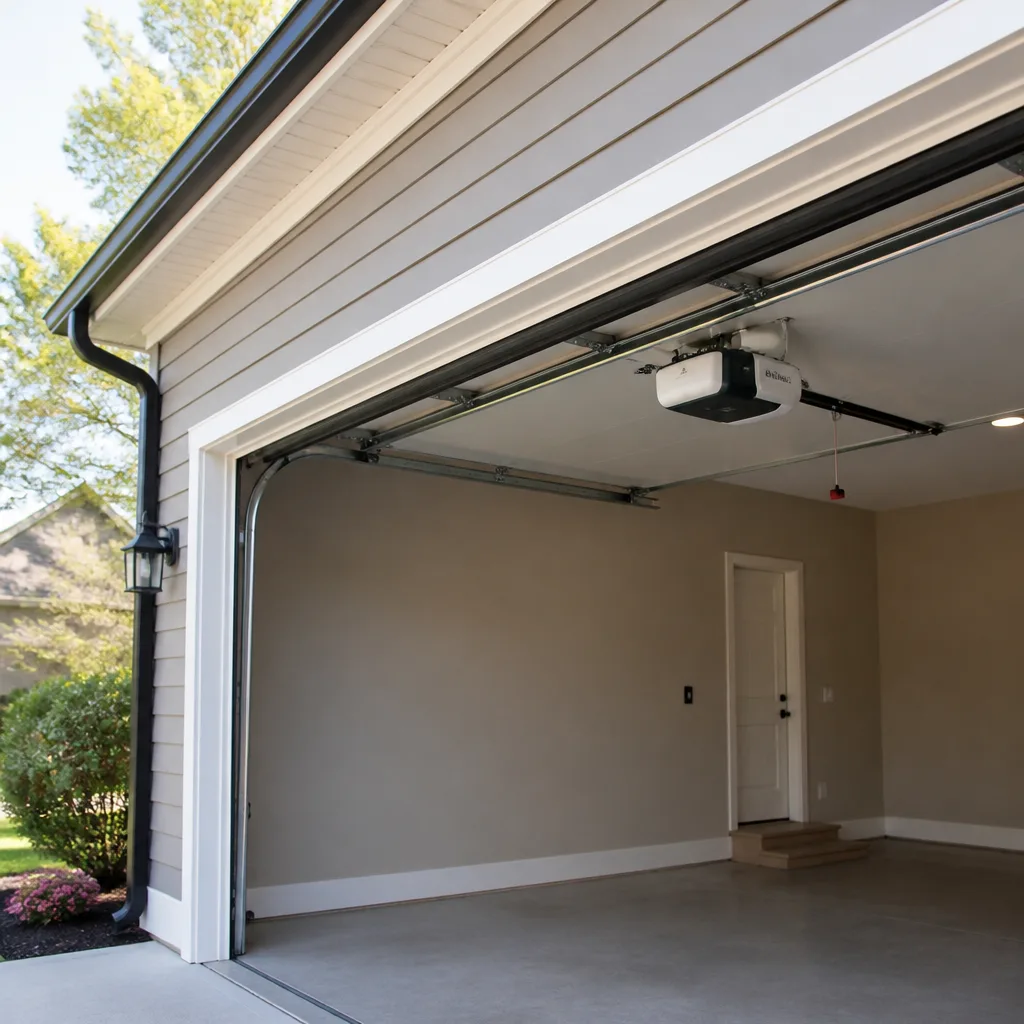 LiftMaster openers
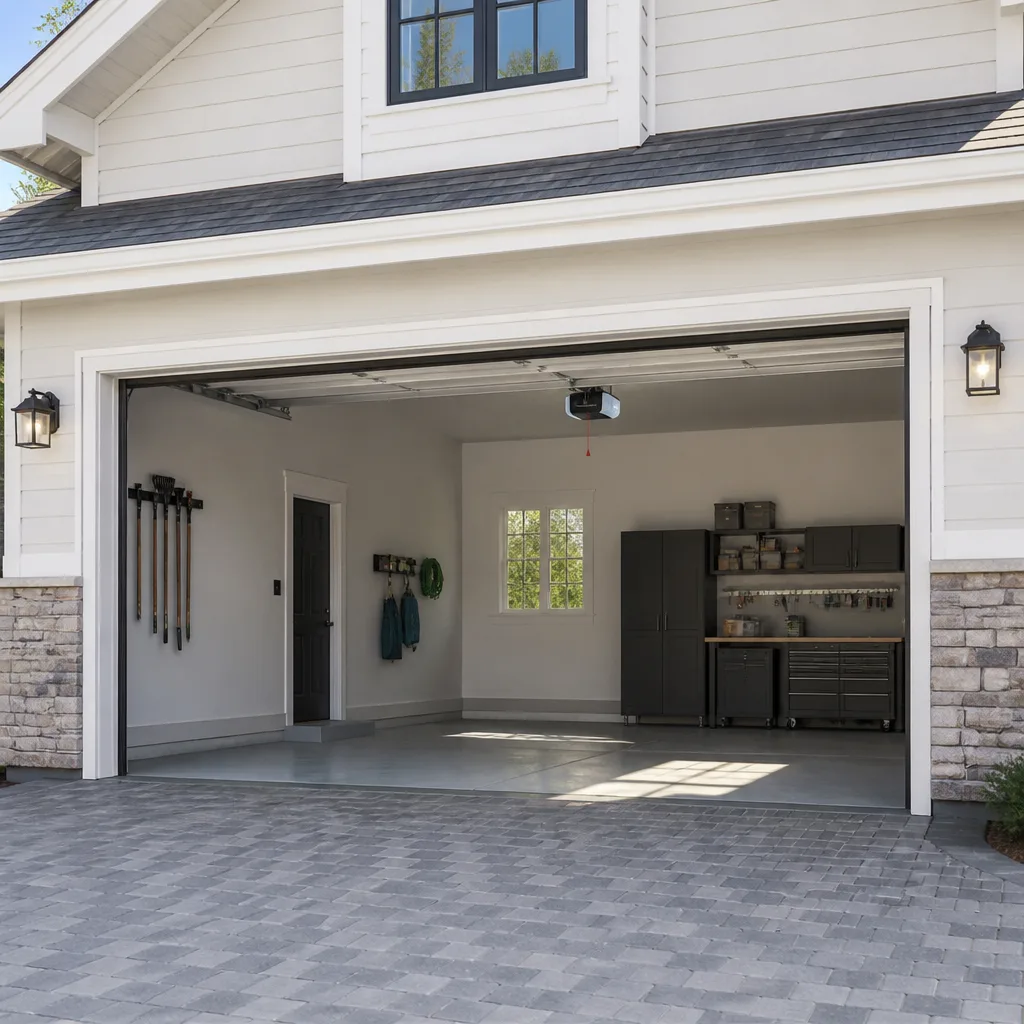 Chamberlain openers
Full 25-point door and opener safety check with every visit - springs, cables, rollers, tracks, and your LiftMaster or Chamberlain opener included
You get a price before we start. It does not change when the pro arrives.
Get your free estimateSeasonal Garage Door Care for Stamford: Year-Round Homeowner’s Guide
The broken spring in January was caused by the lubricant that dried out in October. The warped bottom seal in March was the gap that let November moisture freeze in the track. That’s the part most homeowners miss: a garage door doesn’t fail in the season you notice it. It fails because of something skipped two seasons earlier, and the bill lands when the weather turns hostile. Stamford sits in a climate that puts a door through four genuinely different stress scenarios every year, from humid August afternoons that swell wood panels to February nights that glue a rubber seal to the slab. This guide walks the calendar as a chain of cause and effect, so you can break the chain before it breaks your door.
Quick Answer
Seasonal garage door care in Stamford means matching maintenance to what each season does to the door: lubricate springs, hinges, and rollers with low-temperature grease in fall before the cold sets in, never force a door frozen to the floor in winter, check bottom fixtures and hinges for rust after winter road spray, and expect steel panels and wood door gaps to shift with summer heat and humidity. The single highest-value habit is fall lubrication, because it prevents the majority of winter failures.
Styles & brands we work with
- Raised-panel steel
- Carriage house
- Modern flush
- Full-view glass
- LiftMaster openers
- Chamberlain openers
Table of Contents
- Why Stamford’s Climate Is Hard on Garage Doors
- Fall: The Season That Decides Your Winter
- Winter: Frozen Doors, Cold Brittle Parts, and What Not to Do
- Spring: Reading Rust and Road Spray Before It Spreads
- Summer: Thermal Expansion, Humidity, and the August Bind
- The Honest Triage: One Task to Skip, One That Always Pays
- The Monthly Two-Minute Check
- Balance and Safety: The Seasonless Task
Why Stamford’s Climate Is Hard on Garage Doors
Stamford gets a full four-season swing, and a garage door lives through all of it. That matters because a door is a mechanical system made of materials that each respond to temperature and moisture differently. Steel expands and contracts. Wood swells and shrinks. Rubber hardens. Grease thickens or migrates. When those materials are bolted into the same frame and expected to move together on the same track, a few degrees of change is not a minor detail – it’s the difference between a door that glides and one that grinds.
In our experience, the failures we see across Stamford cluster into two categories: cold-season mechanical failures and warm-season binding problems. The cold-season ones tend to be dramatic – a snapped torsion spring, a cable that let go, an opener that burned out trying to lift a door it couldn’t move. The warm-season ones are quieter: a door that rubs, a panel that won’t sit flush, an opener that strains a little more each week until the gear strips.
What ties them together is that both are usually set up months in advance. A spring that’s been running dry since fall is more likely to snap in the first hard freeze. A bottom seal that’s been holding moisture against the threshold all winter is more likely to tear and warp in spring. A steel door whose tracks were never checked in spring is more likely to bind when summer heat pushes the panels against them. The calendar is the cause; the damage is the effect.
Here’s the practical takeaway: you don’t need to do much, but what you do needs to land in the right season. A homeowner who spends twenty minutes on the door in October will usually spend less time and less money on it in January than one who does nothing. That’s the whole premise of this guide.
Fall: The Season That Decides Your Winter
If you only do one seasonal maintenance pass all year, make it this one. Fall prep is the most critical season for a Stamford garage door because everything that fails in the cold was set up in the weeks before it. The two jobs that matter most are lubrication with a cold-appropriate grease and checking that your weatherstripping is still soft and pliable before temperatures drop.
Lubrication is not about making things slippery for the fun of it. It’s about keeping a protective film on the moving metal so that moisture can’t sit against it and so that parts don’t wear against each other. In fall, that film needs to survive cold. A general-purpose lubricant can thicken or gum up when the temperature drops, which defeats the purpose. A low-temperature grease holds its consistency and keeps working through a Stamford January. We recommend a lubricant rated for cold conditions on the torsion springs, hinges, and roller bearings. Wipe off excess so it doesn’t collect grit.
Weatherstripping is the other fall job. The rubber or vinyl seal along the bottom of the door and around the frame is what keeps cold air, moisture, and small pests out. Over a summer it hardens, cracks, or flattens. In fall, run your hand along it. If it feels stiff, cracked, or has torn away from the retainer, replace it before the cold. A seal that’s already brittle in October will be cracked and useless by December, and a gap at the bottom is exactly where moisture gets in to freeze in the track.
Fall checklist:
- Lubricate torsion springs, hinges, and roller bearings with a low-temperature grease; wipe off excess.
- Check the bottom seal and perimeter weatherstripping for stiffness, cracks, and separation; replace if needed.
- Test the auto-reverse safety feature by placing a roll of paper towels under the door and closing it; the door should reverse on contact.
- Look at the tracks for dents or debris, and tighten any loose track brackets.
- Listen to the door as it opens and closes; new squeaks, rattles, or grinding are early warnings, not normal noise.
- Clear gutters and downspouts so fall rain and snowmelt drain away from the garage floor rather than pooling at the threshold.
None of this takes long. But a door that gets this fall pass is the one that’s still opening smoothly in February, which is the whole point.
Winter: Frozen Doors, Cold Brittle Parts, and What Not to Do
The most common winter garage door emergency in Stamford is a door frozen to the floor. Moisture gets under the bottom seal, freezes overnight, and bonds the door to the slab. The next morning the opener tries to lift a door that’s stuck, and the result is a strained motor, a stripped gear, or a cable that fails under load. The single most important winter rule is this: if the door doesn’t lift freely, don’t force it.
So what do you do? First, disconnect the opener using the manual release so you’re not fighting the motor. Then, rather than yanking the door, free the seal gently. Warm water along the bottom edge will loosen the ice. Never use a hammer, a pry bar, or a shovel to break the bond – you’ll damage the seal, the bottom panel, or the threshold, and you risk injury if the door suddenly releases. Once the door is free and moving by hand, you can reconnect the opener.
The other winter issue is that cold makes everything more brittle. Steel is more prone to cracking under stress. Plastic and rubber parts harden. Springs – already the highest-tension component in the system – are under enormous load, and a spring with a fatigue crack is more likely to fail in a hard cold snap. These are exactly the failures that send people searching for garage door spring repair on a cold morning.
Winter is also when garage door opener repair calls climb, because an opener that’s been marginal all year finally meets a door that’s harder to lift than usual. If your opener is straining, grinding, or reversing for no clear reason, stop using it until it’s looked at. Forcing a struggling opener is the fastest way to turn a small repair into a full replacement.
Winter don’ts:
- Don’t force a frozen door open with the opener engaged.
- Don’t pour hot water directly on springs or metal tracks; expansion shock can crack cold metal.
- Don’t chip ice with a metal tool around seals or panels.
- Don’t ignore a door that lifts slowly or unevenly; that’s a cold-weather warning, not a quirk.
- Don’t keep running an opener that’s straining. It’s telling you something is wrong.
Spring: Reading Rust and Road Spray Before It Spreads
Once the snow is gone, Stamford roads leave their mark on your garage door. The bottom fixtures, hinges, and lower track take the brunt of winter road spray, and after a Stamford winter you’ll often find surface rust on hinges, on the bottom bracket, and along the lower track. The question isn’t whether you’ll see rust – it’s whether that rust is cosmetic or structural.
Surface rust is the orange-brown film that sits on the coating. It looks bad but it hasn’t compromised the metal, and it can often be cleaned and treated. Structural rust is different: it’s pitting, flaking, or metal that’s started to thin. When rust reaches that point on a hinge or a bottom fixture, the part is weakened and should be replaced, not painted over. On a spring, any rust is worth having a professional look at, because a spring is under constant tension and corrosion reduces its strength.
The spring check is the one part of this you shouldn’t do yourself. Torsion springs and the cables that run with them are under very high tension, and a spring that’s rusted or fatigued can fail without warning. An expert can tell you whether a spring is sound or on its way out, and can replace it safely. One spring is quoted on its own; a matched pair is usually replaced together, and a pair costs about twice a single spring.
The other spring job is the bottom seal again. A seal that held moisture all winter may be torn, warped, or separated from the retainer. A warped seal lets water in next winter, which is how the freeze cycle starts all over again. Replace it in spring and you’ve interrupted that loop.
Spring checklist:
- Inspect hinges, bottom brackets, and lower track for rust; treat surface rust, replace anything pitted or flaking.
- Have a professional check springs for rust, fatigue, or uneven tension.
- Replace a torn or warped bottom seal before it becomes next winter’s ice trap.
- Wipe down the lower panels and threshold to remove road spray residue.
- Test the safety reverse feature again after winter.
- Clear debris from tracks and check that the door runs evenly from side to side.
Summer: Thermal Expansion, Humidity, and the August Bind
A steel door that tracked perfectly in January may bind in August. That’s thermal expansion, and it’s normal physics, not a defect. Steel panels grow slightly in heat, and a door that had a little clearance in the cold can start rubbing against its tracks when the temperature climbs. The symptom is usually a door that moves a bit slower, sounds different, or stops and reverses partway down. If it’s happening on hot afternoons and not on cool mornings, expansion is the likely cause.
Track alignment is the usual fix. If the tracks have shifted, or if the door has started wearing against them, a technician can realign them so the door has proper clearance again. Don’t try to bend tracks back into place yourself – track geometry is precise, and a small miscalibration makes the whole door run worse.
Humidity is the other summer factor, and it hits wood doors hardest. A wood or wood-composite door will swell in humid weather, which changes panel gaps and can make a door that was flush in spring stick or rub in August. If you have a Clopay, Amarr, or Wayne Dalton wood or composite door, watch the panel gaps through the summer. Small seasonal movement is normal; panels that rub, split, or pull apart are not. A dehumidifier in the garage helps, but the real fix is making sure the door’s finish is intact – a sealed surface absorbs far less moisture.
Summer also tends to be when openers with smart features get the most use, and when people notice that a LiftMaster, Chamberlain, or Genie opener is behaving oddly. Heat can affect the opener’s electronics just as it affects the door, so a door that binds in summer puts extra load on the opener. Fix the door and the opener often settles down.
The Honest Triage: One Task to Skip, One That Always Pays
If you’re short on time, be honest about priorities. Not every seasonal task is equal, and we’d rather you do the one that matters than skip all of them because the list looks long.
The one task you can skip: a full cosmetic wipe-down of the door’s upper panels. It’s satisfying, and it makes the door look better, but it doesn’t prevent failures. If you’re choosing between cleaning the top of the door and doing anything else on this list, skip the cleaning.
The one task that always pays for itself: fall lubrication of the springs, hinges, and rollers with a low-temperature grease. It’s cheap, it’s quick, and it prevents the majority of winter failures. A dry spring that fails in January is a repair that could have been avoided by ten minutes in October. That’s the best return on effort in the entire calendar.
The rest of the list sits in between. Here’s the prioritized view:
- Tier 1 – always do: fall lubrication; bottom seal inspection each season.
- Tier 2 – high value: spring inspection in spring (by a professional); safety reverse test twice a year; winter freeze handling done correctly.
- Tier 3 – do when you notice a symptom: track alignment, panel gap checks on wood doors, opener behavior monitoring.
- Tier 4 – optional: cosmetic cleaning, paint touch-ups.
The point of the triage is that seasonal care doesn’t have to be a big project. Do the Tier 1 items every year and you’ll head off most of what we get called out for.
The Monthly Two-Minute Check
Between the seasonal passes, a quick monthly check catches problems while they’re small. This is the habit that turns seasonal maintenance into continuous care. None of it requires tools or expertise.
- Open and close the door and listen. New noises – squeaks, rattles, grinding – are worth noting.
- Watch the door’s travel. It should move smoothly and evenly, without jerking or stopping partway.
- Look at the bottom seal. Is it sitting flat against the floor, or is there a gap?
- Glance at the springs and hinges. Any new rust, or anything that looks bent or loose?
- Test the safety reverse with a small object under the door.
- Check the opener’s light and any error indicators, especially on a LiftMaster or Chamberlain with a smart panel.
If something seems off, don’t wait for the season to turn. A small issue in July is a cheap fix; the same issue in January is a repair under pressure. That’s the whole philosophy of seasonal care in a place like Stamford, where the weather gives you plenty of chances to ignore a problem and one hard season to pay for it.
Balance and Safety: The Seasonless Task
One task doesn’t belong to a season: checking that the door is balanced. A balanced door will stay put when you lift it halfway by hand. An unbalanced door will drop or rise on its own, which means the springs or cables are misadjusted or failing. This is a safety issue, and it’s not something to fix yourself. Spring and cable tension is dangerous, and the adjustment should be done by a trained technician.
If your door won’t hold its position, stop using the opener and call for a professional look. It’s the kind of thing that’s easy to put off because the door still opens, but an unbalanced door puts extra load on the opener and makes the failure that much more likely. In our experience, this is one of the most common things Stamford homeowners discover when they finally have the door looked at, and it’s almost always cheaper to fix early.
While you’re at it, check the safety sensors at the bottom of the tracks. They should be aligned and their lenses clean. A misaligned sensor is a common reason a door won’t close, and it’s an easy fix once you know to look.
Common Mistakes to Avoid
- Forcing a frozen door open. This is the fastest way to burn out an opener motor or snap a cable. Disconnect the opener and free the ice gently instead.
- Using the wrong lubricant in fall. A warm-weather grease that thickens in the cold defeats the purpose. Use a low-temperature product on springs, hinges, and bearings.
- Ignoring a slow or uneven door. In Stamford’s swing between seasons, a door that binds in August or strains in January is warning you. Waiting usually means a bigger repair.
- Painting over structural rust. Surface rust can be treated; pitted or flaking metal on a hinge or fixture means the part is weakened and should be replaced.
- Skipping the safety reverse test. It only takes a minute, and it’s the feature that stops the door if something is in the way. Test it twice a year.
- Bending tracks back by hand. Track geometry is precise. A small miscalibration makes the whole door run worse. Leave it to a professional.
- Doing spring work yourself. Springs and cables are under very high tension and can injure seriously. This is the one part of door care that always belongs to a trained technician.
See the difference
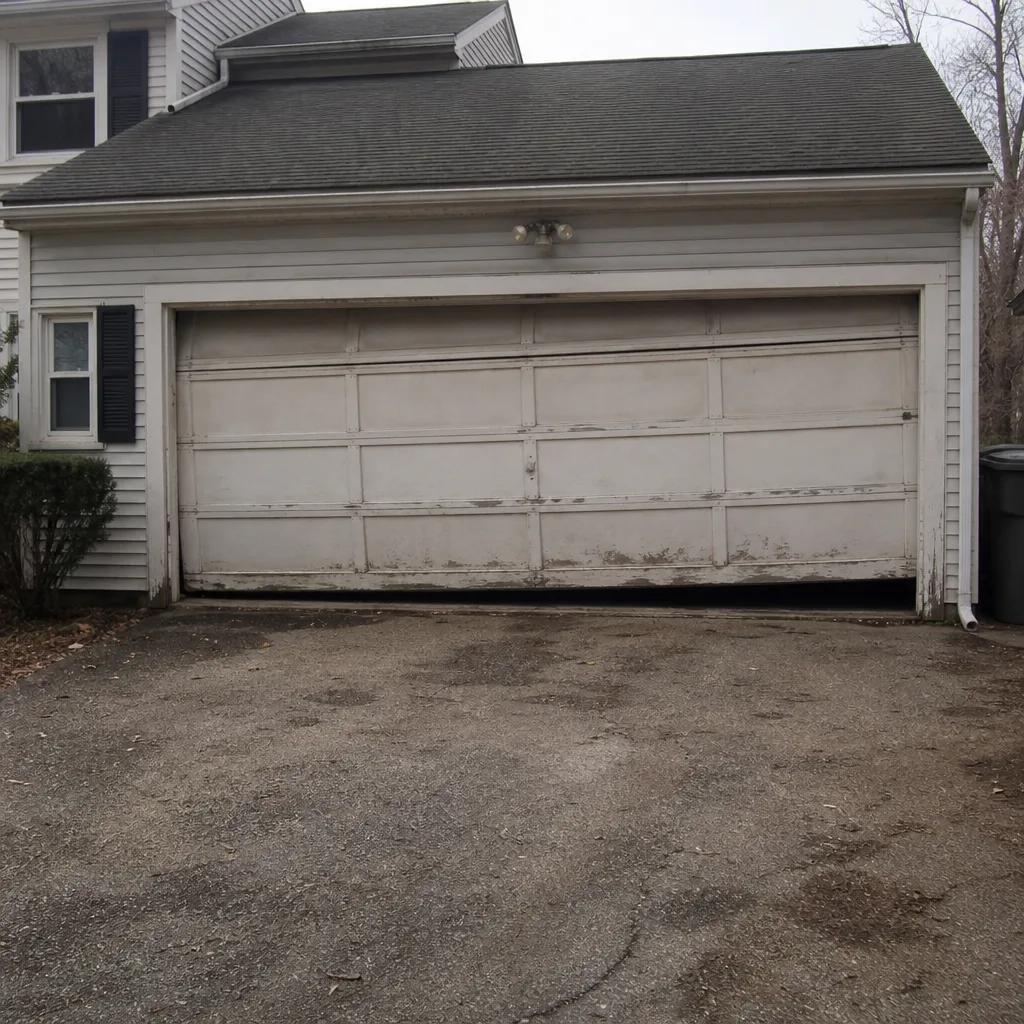 Before
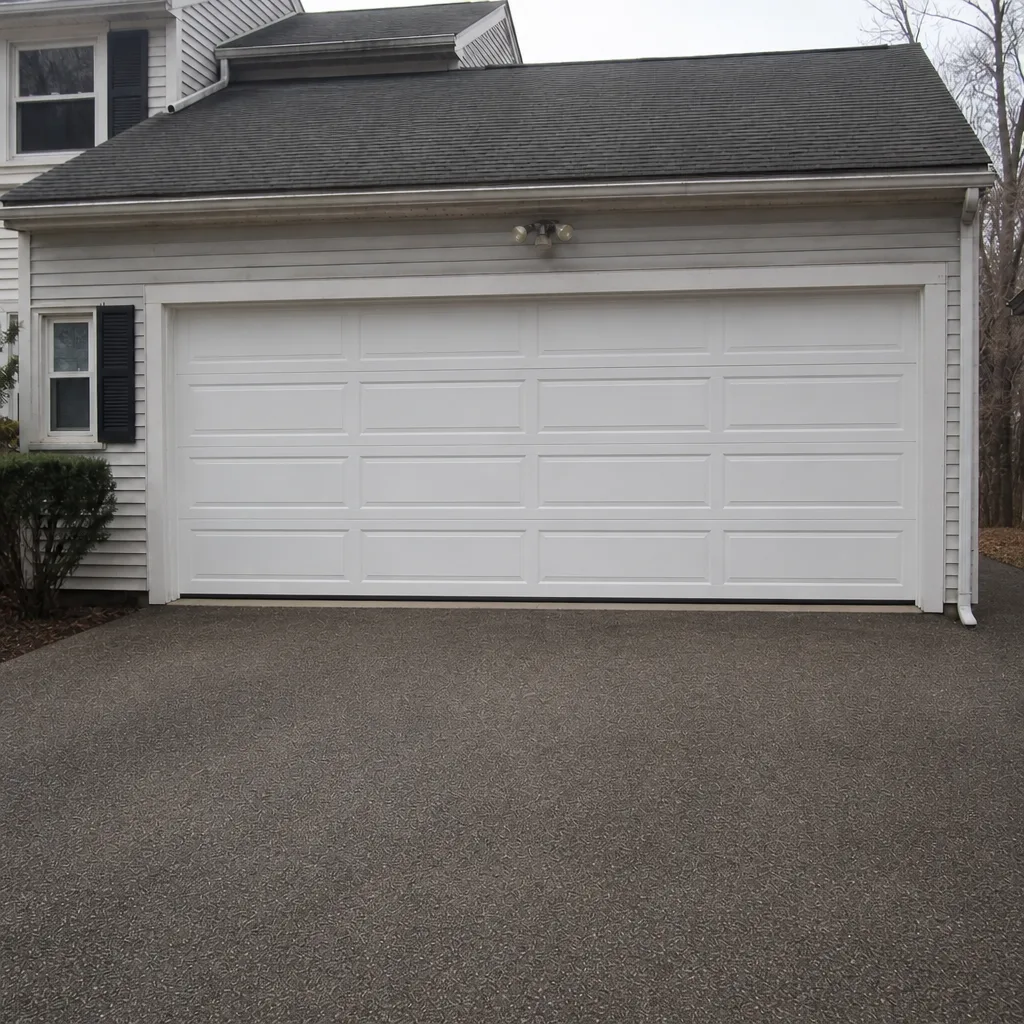 After
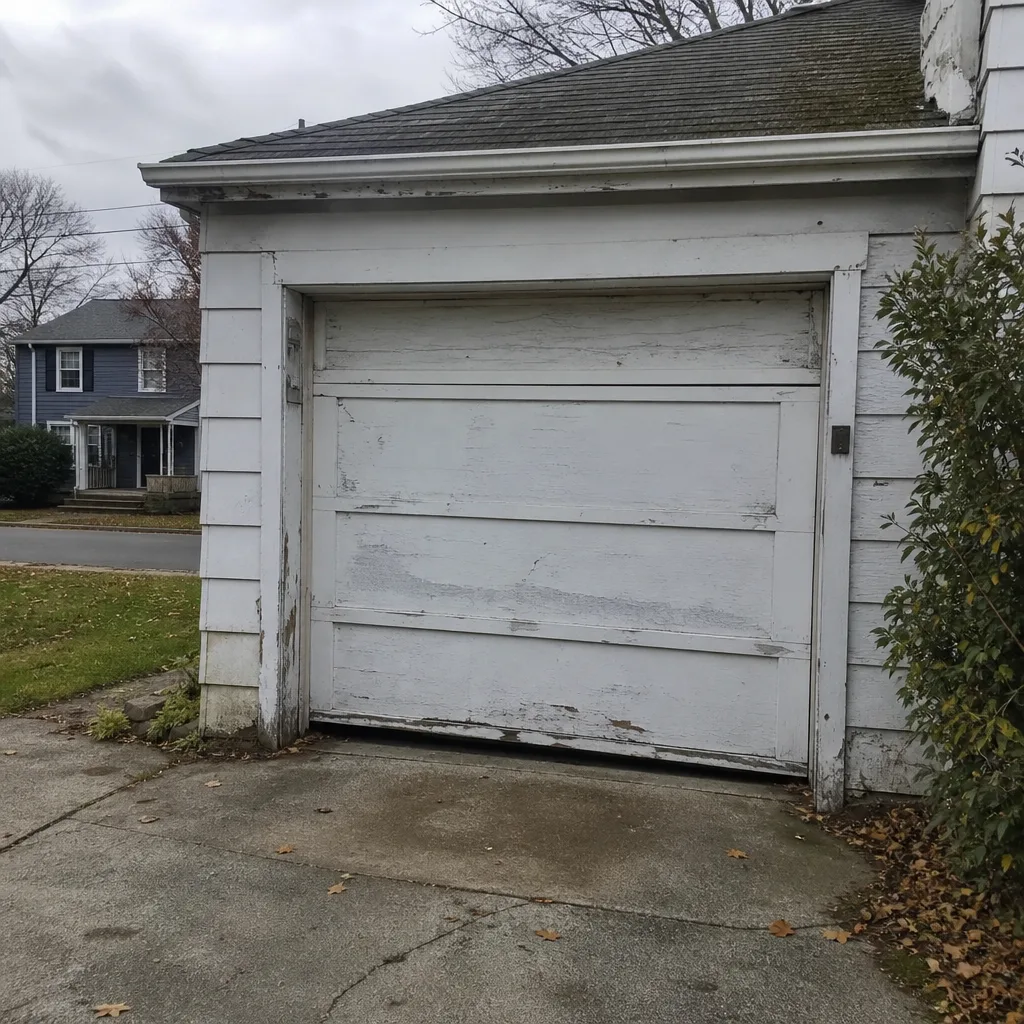 Before
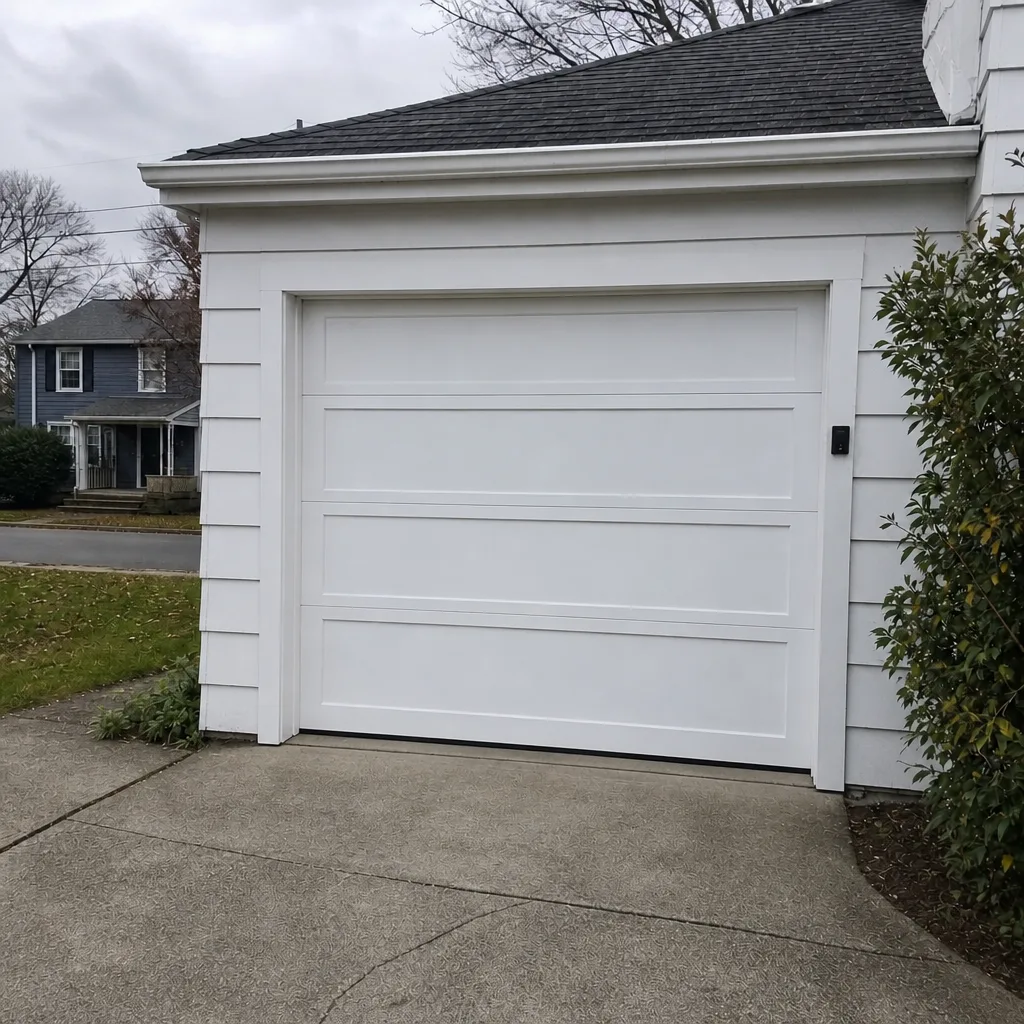 After
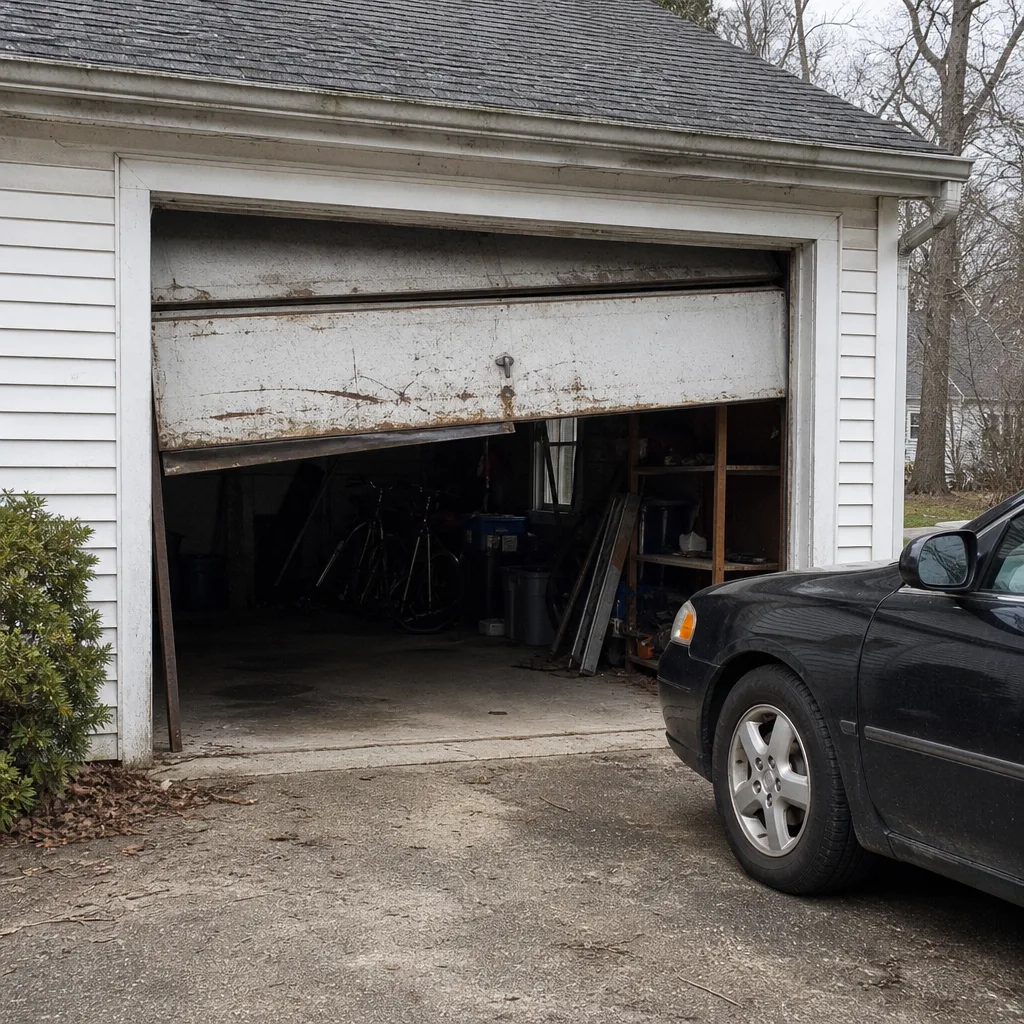 Before
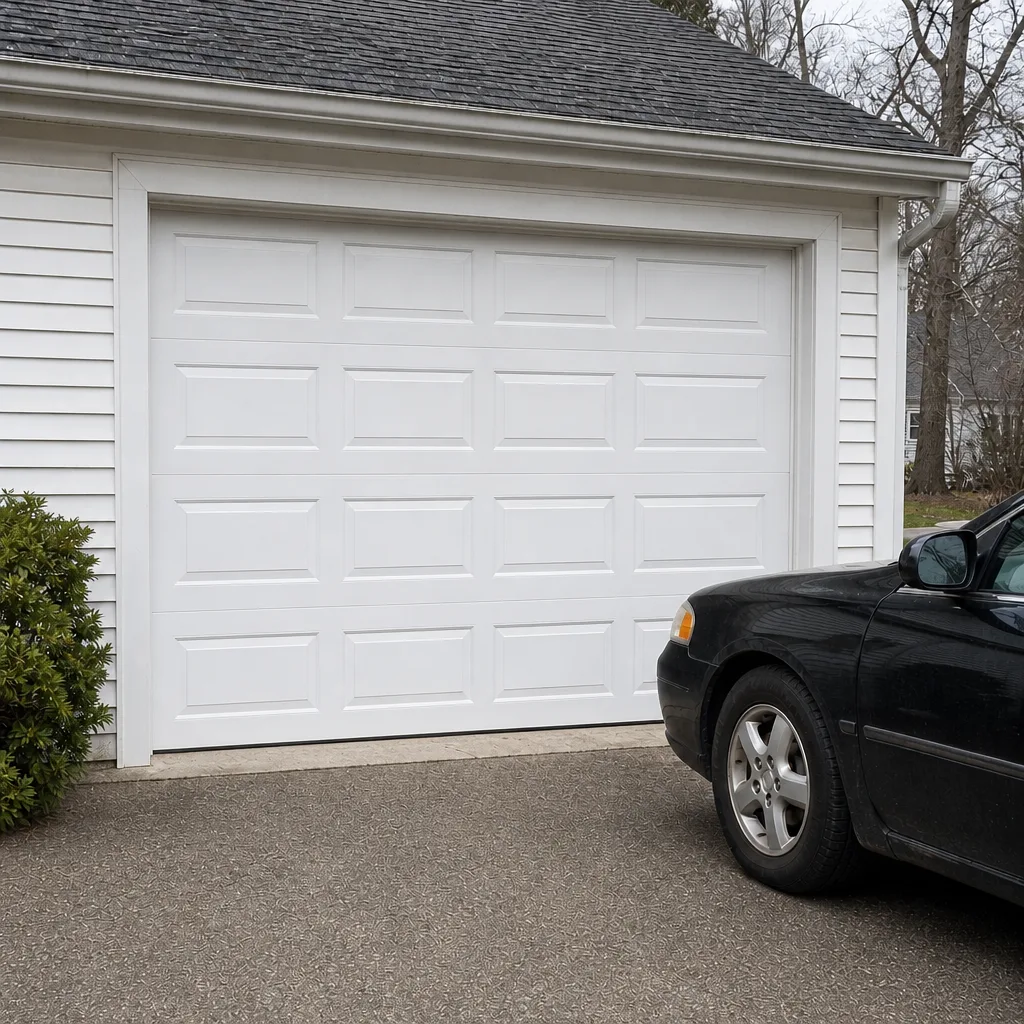 After
When to Call a Professional
Some jobs are seasonal maintenance; some are calls for a specialist. Call a professional when a spring is rusty, cracked, or has failed; when the door is unbalanced or won’t hold its position; when a cable is frayed or loose; when the tracks are bent or the door binds; when the opener strains, grinds, or reverses for no clear reason; or when the door is frozen and won’t free safely. These aren’t DIY jobs, and they’re the situations where a trained technician makes the difference between a repair and a replacement. We work on the brand already in your garage, so you’re not getting guesswork. Stamford Garage Door Repair Pros offers free estimates in Stamford – call (855) 337-1686.
Frequently Asked Questions
Twice a year is the practical answer: a full pass in fall before the cold and a check in spring after winter. Between those, a quick monthly look at seals, springs, and how the door runs catches most problems early. If your door gets heavy daily use, err toward more frequent checks.
Moisture gets under the bottom seal, freezes overnight, and bonds the door to the slab. Don’t force it with the opener – disconnect the opener and free the ice gently with warm water. A worn or warped bottom seal makes this more likely, so check it each fall.
Some added stiffness in hot weather is normal because steel panels expand, but a door that binds, slows noticeably, or reverses partway down needs a look. It’s usually a track alignment issue, and fixing it early protects the opener too.
Yes – lubricating the springs, hinges, and roller bearings with a low-temperature grease is a safe homeowner task, as long as you’re not adjusting tension or disassembling anything. Replacing or adjusting a spring is not; that work belongs to a trained technician.
Surface rust is usually cosmetic and can be cleaned and treated. Rust that’s pitting or flaking means the metal is weakening, and the part should be replaced. On a spring, any rust is worth having a professional check, since corrosion reduces strength.
Yes. Wood and composite doors, including Clopay, Amarr, and Wayne Dalton wood doors, swell and shrink with humidity, so panel gaps can shift through the year. Keep the finish sealed and watch for panels that rub or split, especially in humid summer weather.
The Bottom Line
Seasonal garage door care in Stamford is about interrupting a chain: fall lubrication prevents winter failures, correct winter handling prevents spring damage, spring rust checks prevent summer binding, and summer attention prevents the next cycle. You don’t need to do everything – do the fall lubrication, check the bottom seal each season, and have springs and balance checked by a professional. That’s what keeps the largest moving part of your home working year-round. If something’s off, or you’d rather have an expert look it over, Stamford Garage Door Repair Pros is here to help with garage door repair across Stamford. Our technicians have up to 13 years of experience.
Ready to get your door checked before the next season turns? Call (855) 337-1686 for a free estimate.
Written by the team at Stamford Garage Door Repair Pros.