Last updated November 20, 2026
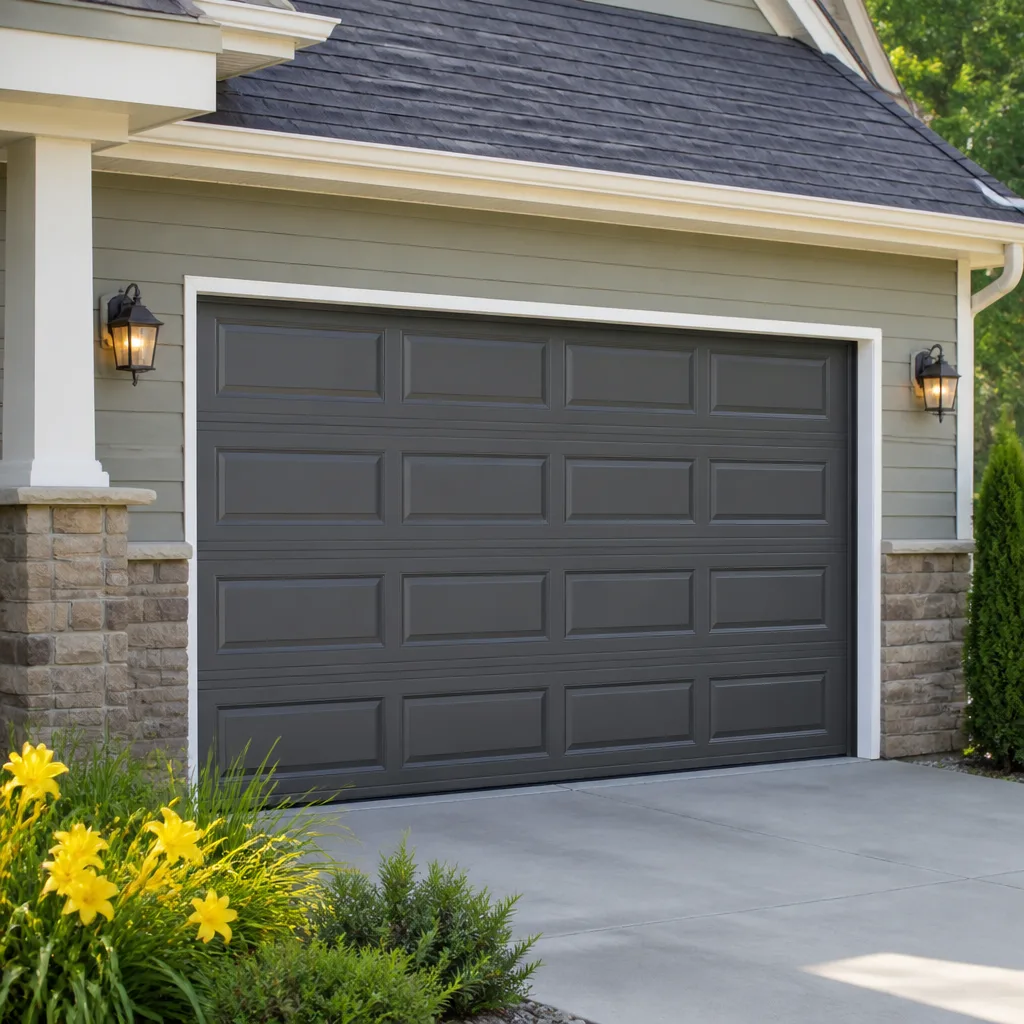 Raised-panel steel
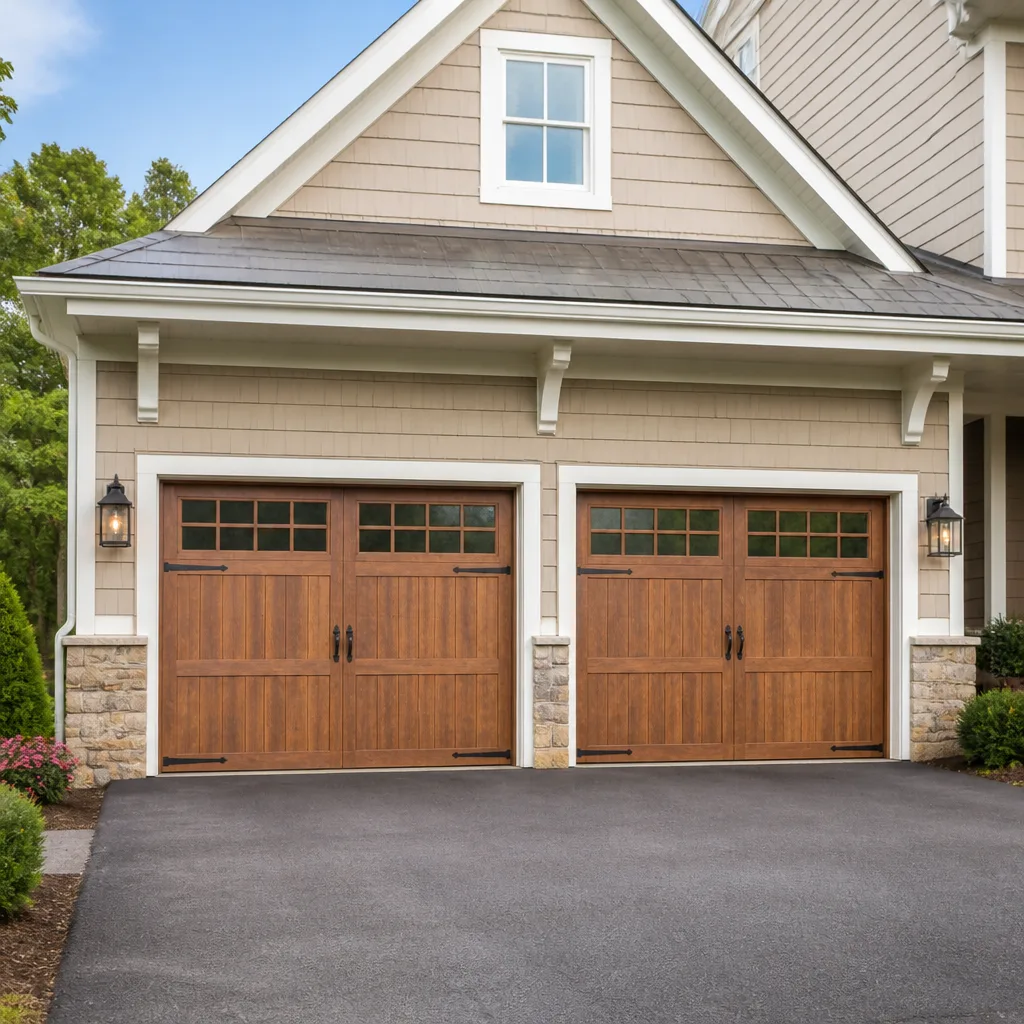 Carriage house
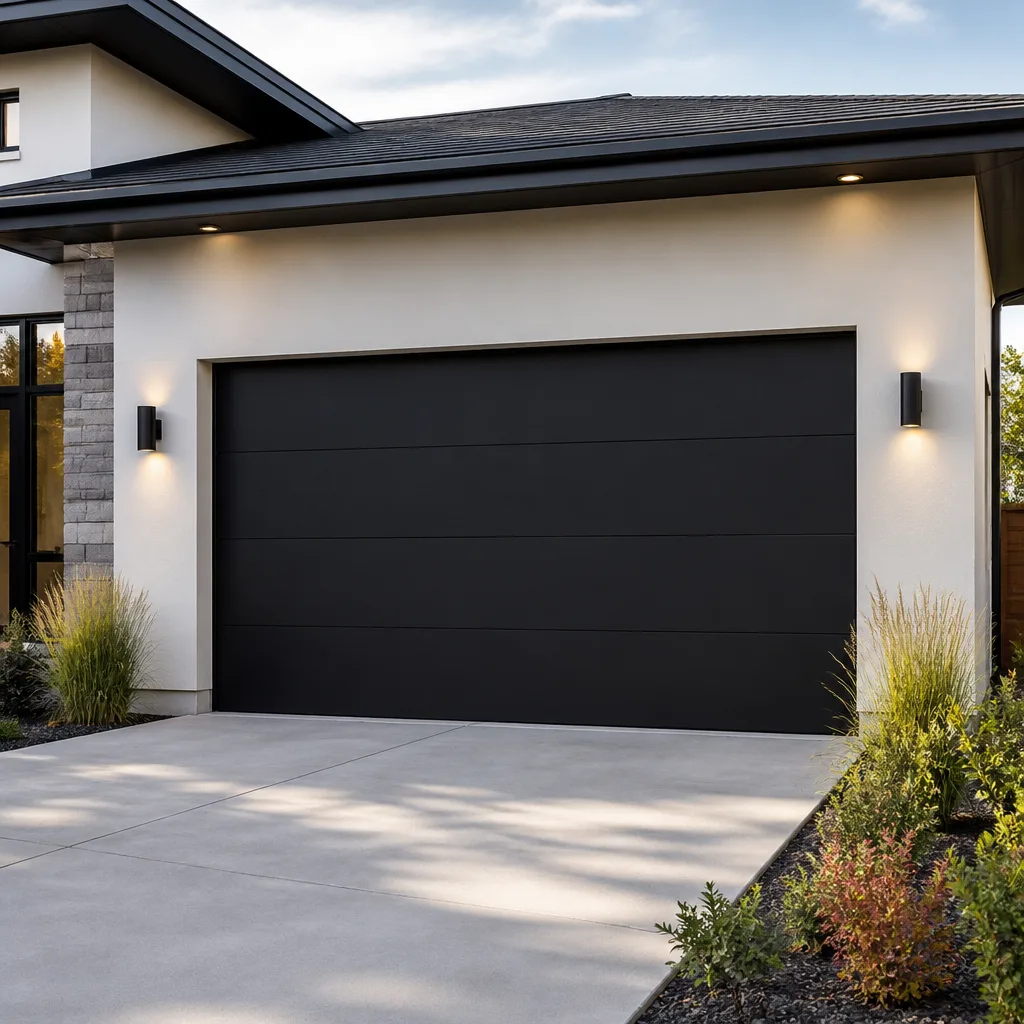 Modern flush
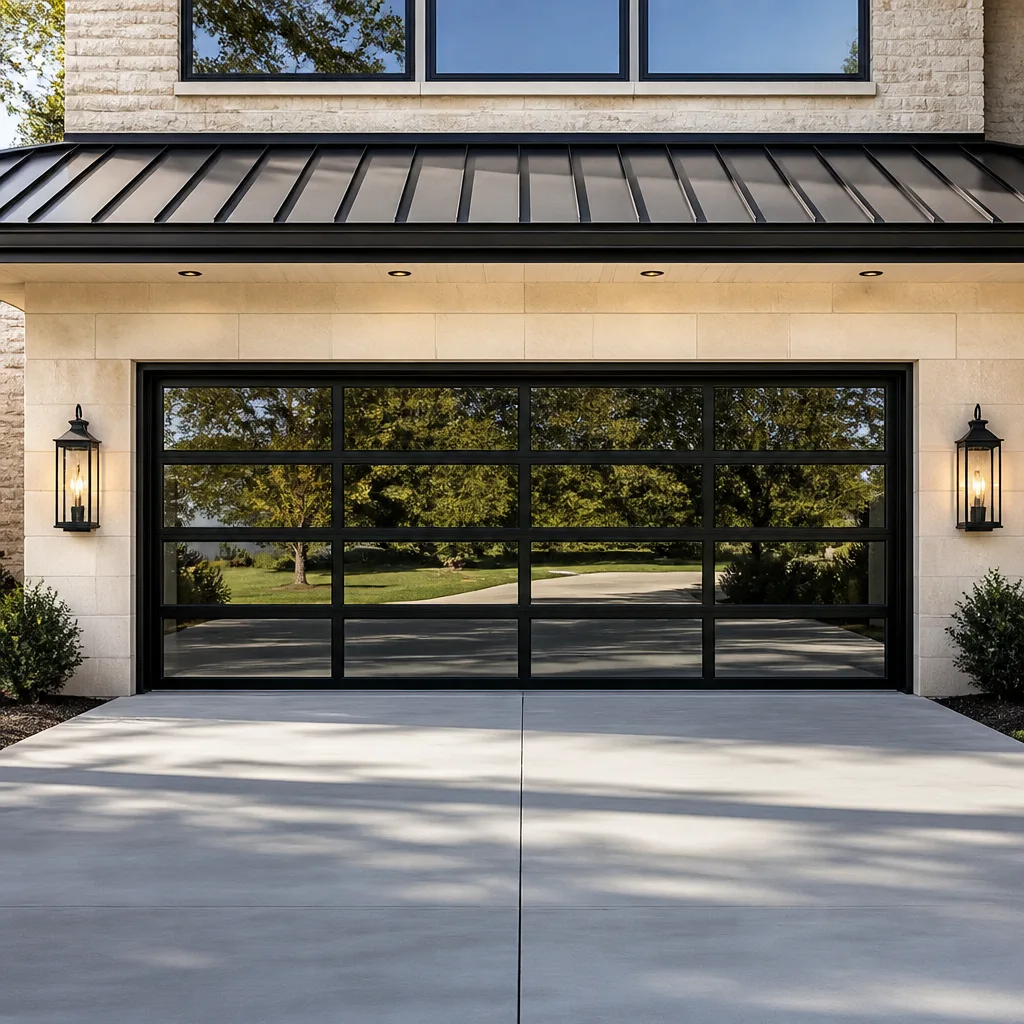 Full-view glass
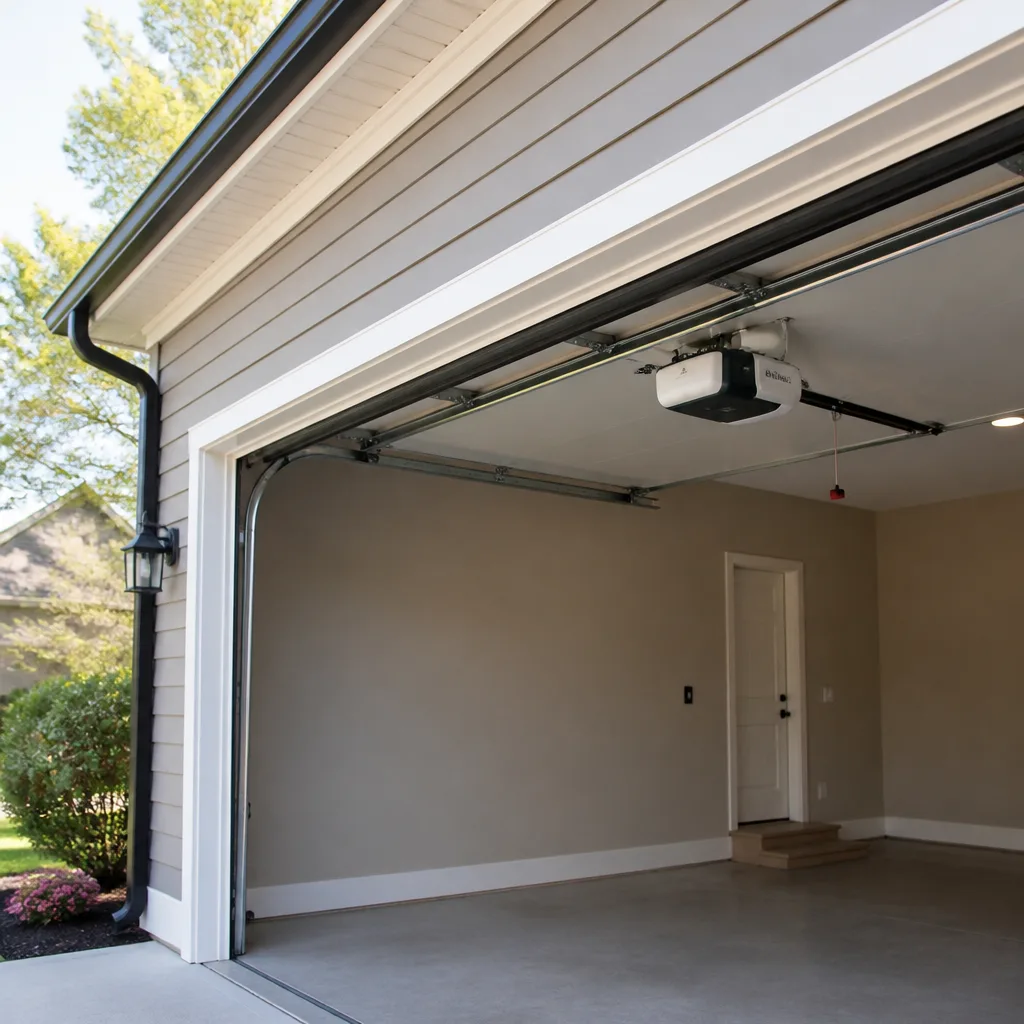 LiftMaster openers
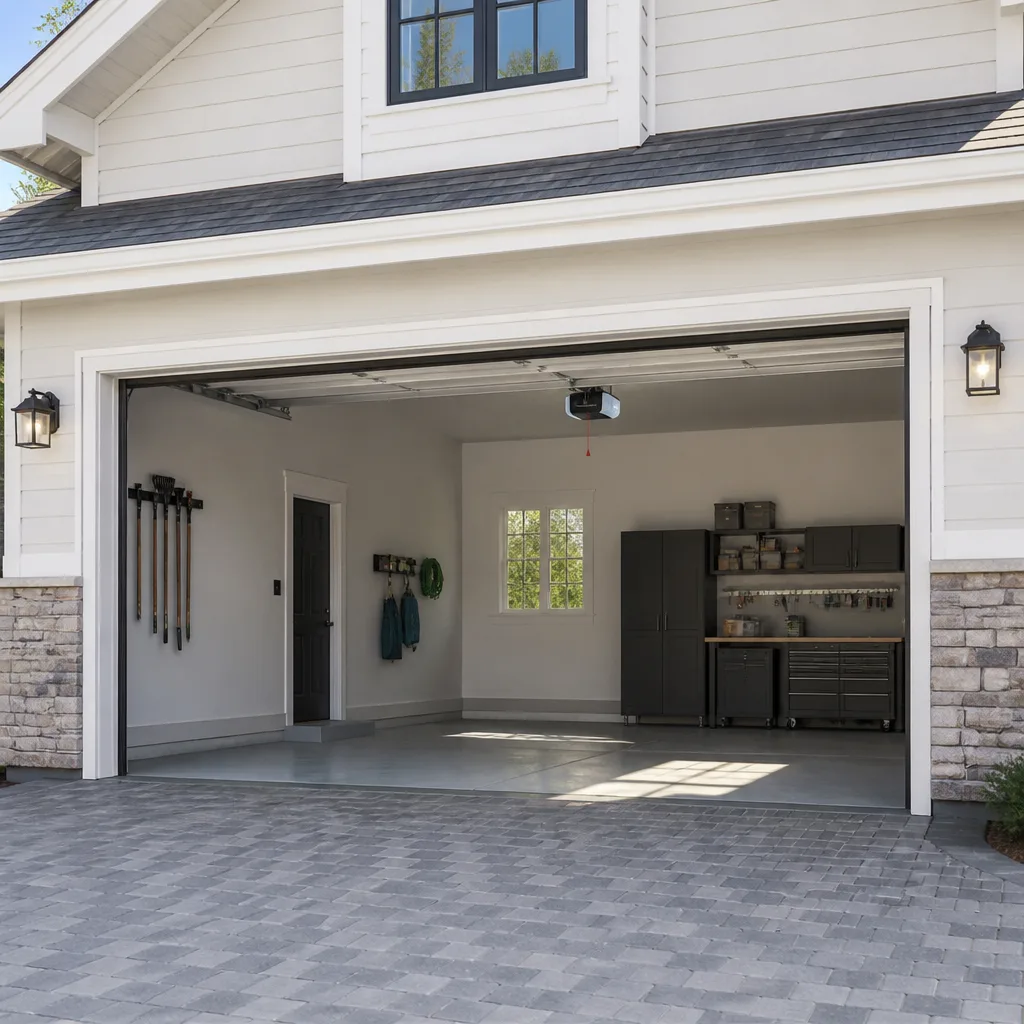 Chamberlain openers
Full 25-point door and opener safety check with every visit - springs, cables, rollers, tracks, and your LiftMaster or Chamberlain opener included
You get a price before we start. It does not change when the pro arrives.
Get your free estimateThe Complete Guide to Garage Doors in Stamford
Most Stamford homeowners make every big garage door decision in a hurry, after something has already snapped, jammed or quit. The spring breaks on a cold morning, the opener groans its last, and suddenly you’re choosing a contractor from a search results page while the car sits outside. The better approach is to understand the system before it fails: how a Stamford door takes a beating from humidity and freeze-thaw cycles, which parts wear out first, and when a repair makes sense versus a full replacement. This guide walks through every decision you’ll actually face, from first symptom to final installation, in the local climate and housing stock that shape it.
Quick Answer
A garage door guide for Stamford comes down to matching the right fix to the right stage of the door’s life. Tune-ups and part repairs (springs, seals, openers, panels) make financial sense on most doors that are structurally sound, while full replacement usually wins once the door is failing in several places at once or you’re facing repeated repairs on an aging unit. The local climate, humidity swings and neighborhood rules in places like Shippan Point and North Stamford change how you approach each decision, and this guide maps that out.
Styles & brands we work with
- Raised-panel steel
- Carriage house
- Modern flush
- Full-view glass
- LiftMaster openers
- Chamberlain openers
Table of Contents
- Why a Stamford Garage Door Ages Differently
- Choosing Door Material for the Local Climate
- Neighborhood Rules and Non-Standard Openings
- Which Components Fail First in Stamford
- Repair, Tune-Up or Replace: The Decision Tree
- How to Vet a Stamford Garage Door Company
- Why Brand Familiarity Matters for Diagnostics
- Common Mistakes to Avoid
Why a Stamford Garage Door Ages Differently
Stamford sits on the edge of Long Island Sound, and its weather is a constant cycle of damp and dry. Summers bring stretches of high humidity, and winters swing back and forth across the freezing point. That back-and-forth, the freeze-thaw cycle, is what does the quiet damage. Moisture works into seams, joints and hardware during wet spells, then freezes and expands when the temperature drops, prying at the material from the inside. When it thaws and refreezes, the cycle repeats.
The result is a door that ages faster here than the same door would a few dozen miles inland, where winters are drier and the swings are gentler. In our experience working on Stamford doors, the pattern is clear:
- Steel hardware rusts and pits faster when humidity stays high through the summer.
- Wood panels swell in damp weather, then shrink and check when it dries, opening cracks for water to follow.
- Rubber and vinyl seals harden and crack from repeated temperature swings, losing their grip against the floor.
- Springs and cables work harder when the door and its track move slightly out of alignment as the temperature moves.
None of this is dramatic on its own. But a garage door in Stamford is the largest moving part of the house and usually the most-used entry, so the tiny failures add up over a shorter span than homeowners expect. The lesson isn’t to panic. It’s to treat the door as a system that needs attention, and to catch small wear before it becomes a snapped spring or a door that won’t close.
Choosing Door Material for the Local Climate
If you’re replacing a door, the material choice matters more in Stamford than the brochures let on. Here’s how the three common options hold up against coastal New England humidity and freeze-thaw:
Steel
Steel doors handle the climate best overall. They won’t swell or warp from moisture, and a good factory finish keeps rust away for years. Check the finish and the hardware, since damp summers will eventually find any bare metal. Steel is the pragmatic pick for most Stamford homes.
Wood
Wood looks beautiful and suits the older colonial and Victorian homes around Springdale, but it’s the most demanding material here. It swells with summer moisture, contracts in the dry cold, and needs repainting or resealing on a shorter cycle than inland homeowners expect. Wood can work, but budget for upkeep.
Fiberglass
Fiberglass resists moisture and rot well, and it won’t dent the way thin steel can. It’s a solid middle ground, though the surface can degrade and needs refinishing over time. It handles humidity without complaint and won’t swell with the seasons.
Whichever you choose, the installation quality matters as much as the material. A well-fitted steel door outlasts a poorly hung fiberglass one every time. When it’s time for the work, our garage door repair team can assess whether your current door is worth keeping, and our full installation capability covers a brand-new door on the same visit if replacement is the smarter call.
Neighborhood Rules and Non-Standard Openings
Stamford isn’t one market. A door decision in one neighborhood rarely looks like the one next door, and two factors drive most of that: HOA and design rules, and the age of the housing stock.
Shippan Point and North Stamford: aesthetic rules
In planned neighborhoods like Shippan Point and parts of North Stamford, associations often have a say in what your door looks like from the street. Common requirements include matching a specific color palette, choosing panel styles that fit the neighborhood’s look, and keeping window patterns consistent. Before you order anything, get the association’s written approval for the color, style and material, and save it. Ordering a door that doesn’t meet the rules is an expensive mistake to discover after delivery.
Springdale and older colonial stock: non-standard openings
Older homes around Springdale often come with garage openings that don’t match today’s standard sizes. A door from decades past may have been built, modified or trimmed to fit a rough opening that was never quite uniform. That’s not a defect, it’s just age. The fix is a careful measurement before ordering: width, height, headroom and side clearance all need real numbers. A door that’s a half inch off will bind, scrape or fail to seal. This is exactly the kind of thing a site measure catches and a phone quote misses.
What this means for you
- Check HOA or design rules before you pick a door, not after.
- Get a written measure of the opening for any home older than a few decades.
- Expect to discuss headroom and track configuration, especially in converted or modified garages.
- Confirm the new door will clear any storage or opener equipment already in the space.
Which Components Fail First in Stamford
Every part on a garage door wears out eventually. In Stamford’s climate, three fail earlier and more often than the rest:
1. Torsion springs
Springs carry the whole weight of the door, cycling thousands of times over their life. The temperature swings here work the metal harder, and a spring that’s near the end of its life can snap without warning. Our garage door spring repair service focuses on this part specifically because it’s the most mechanically dangerous job on the door. A broken torsion spring leaves a door that’s unsafe to lift and nearly impossible to close by hand. Do not try to wind or unwind a spring yourself. They’re under high tension, and a mistake can cause serious injury. Trained technicians handle it with the right tools and know how to test the balance safely afterward.
2. Bottom seals
The bottom seal is a thin strip, so it fails quietly. Hardened rubber and cracks from the freeze-thaw cycle let cold air, water and pests into the garage, and an uneven seal can make the door close crookedly. Seals are inexpensive to replace and worth checking every season.
3. Opener circuit boards
Opener electronics are sensitive to humidity and to power fluctuations. In a damp summer, a circuit board can act up before anything mechanical fails, which shows up as a door that reverses for no reason, a remote that stops working, or a motor that runs but doesn’t move the door. Our garage door opener repair work covers both traditional units and modern smart-home systems, so the diagnosis starts with the brand you actually own.
Watch these three first, and you’ll catch most Stamford garage door trouble before it strands the car.
Repair, Tune-Up or Replace: The Decision Tree
This is the question homeowners ask most, and it has a real answer. Walk through these steps in order:
- Is the door structurally sound? If the panels are straight, the tracks aren’t bent and the frame is solid, repair is almost always the smarter choice. If several panels are dented, cracked or separating, replacement starts to win.
- Is it one problem or many? A single failed spring, seal or opener is a repair. Three or more failures at once, or repeated repairs within a short window, point to a door at end of life.
- How often have you called for repairs? A rough guide: if you’re fixing the same door multiple times a year, the money is better spent on a replacement.
- Does a tune-up fix it? If the door is sound but noisy, slow or slightly out of balance, a tune-up covers it: lubrication, balance check, hardware tightening and seal inspection.
- Are you facing a major component plus cosmetic wear? A new opener on a worn, dented door is money half-spent. If the door needs a full set of springs, a new seal and fresh panels, a replacement often costs about the same as the repair bundle.
The practical thresholds are simple. Tune-ups belong on healthy doors. Repairs belong on sound doors with isolated failures. Replacement belongs on doors where the failures have piled up or the shell is failing. When in doubt, a free estimate with a written price makes the choice concrete. Our technicians have up to 13 years of experience, and they’ll tell you plainly which side of the line your door is on.
How to Vet a Stamford Garage Door Company
The Stamford market has plenty of generalists who’ll take a garage door job, and fewer specialists who live in the system. Knowing what to check separates a good hire from a costly one.
What licensing and insurance actually mean
Garage door work involves high-tension springs, electrical connections at the opener and structural mounting at the tracks. Ask any contractor whether the local pro is licensed and insured as their state requires, and get it in writing before work starts. Licensing and insurance aren’t marketing, they’re the difference between a protected job and an unprotected one.
What brand certification actually means
Brand certification means the technician has been trained on how that manufacturer’s equipment is built and how it fails. It’s not a logo to collect. On a LiftMaster, a Genie or a Raynor system, the part diagnostic, the safety reverse settings and the balance procedure all follow brand-specific logic. A certified tech diagnoses by brand, not by guesswork. Ask which brands they’re certified on, and whether those cover the equipment already in your garage.
Questions to ask before you hire
- Are you licensed and insured as the state requires? Can I see it in writing?
- Which brands are your technicians certified on?
- Will I get a written estimate before work begins, with the price agreed upfront?
- Do you handle spring repair and opener repair, or only new installations?
- Do you offer emergency service if the door fails and blocks the car?
- Is the price on the estimate the price I pay, or will add-ons appear after the fact?
We connect Stamford homeowners with independent local professionals who work on the brand already in the garage, so the diagnosis starts from knowledge rather than a guess. Free estimates, upfront pricing and a written quote before any work starts are the standard to expect from anyone you hire.
Why Brand Familiarity Matters for Diagnostics
A garage door system is a set of matched parts: door, track, springs, cables and opener, all tuned to work together. The brand of each part changes how a fault shows up and what fixes it. That’s why a technician who knows the specific brand gets to the cause faster than one who’s guessing.
A LiftMaster or Chamberlain opener with myQ smart-home control responds differently to a stuck door than a legacy Genie system does, and the fix for one won’t necessarily work on the other. A Genie Aladdin-connected opener has its own calibration and troubleshooting path. On the door side, a Raynor panel system has different track and roller tolerances than a comparable door from another line. A tech who’s certified on the brand reads the symptom correctly instead of swapping parts until something works.
When a door won’t respond to the remote, the fault could be in the opener, the safety sensors, the wall control, the wiring or the door’s balance. The brand narrows that list fast. That’s the difference between fixing the door and replacing half of it to find the problem. It’s also why our service covers eight major lines across LiftMaster, Chamberlain, Genie, Clopay, Amarr, Wayne Dalton, Craftsman and Raynor: the range is there so the brand in your garage gets the right diagnosis.
Common Mistakes to Avoid
- Hiring a general handyman for a spring job. Torsion springs are under extreme tension and the job is dangerous without the right tools and training. A generalist may save on the invoice and cost far more in risk.
- Ordering a door before the opening is measured. Older Springdale homes often have non-standard rough openings, and a half inch of error means a binding door and a return. Get a written measure first.
- Ignoring HOA and design rules in Shippan Point and North Stamford. Buying a door your association won’t approve is an expensive way to learn the rules. Get written approval before ordering.
- Putting a new opener on a worn-out door. New electronics on a failing door is money half-spent. Fix the door or replace it, then match the opener to the door’s real condition.
- Skipping the written quote. A verbal price with add-ons after the fact is the top complaint in this trade. Get the price in writing and agreed before any work starts.
- Choosing on price alone. A low quote that skips the safety check, skips balance testing or uses undersized parts costs more in the long run. Ask what’s included.
- Waiting until the door fails to replace a seal. A hardened bottom seal on a Stamford door lets in cold, water and pests all winter. It’s a small part with a big effect, and it’s cheap to replace.
See the difference
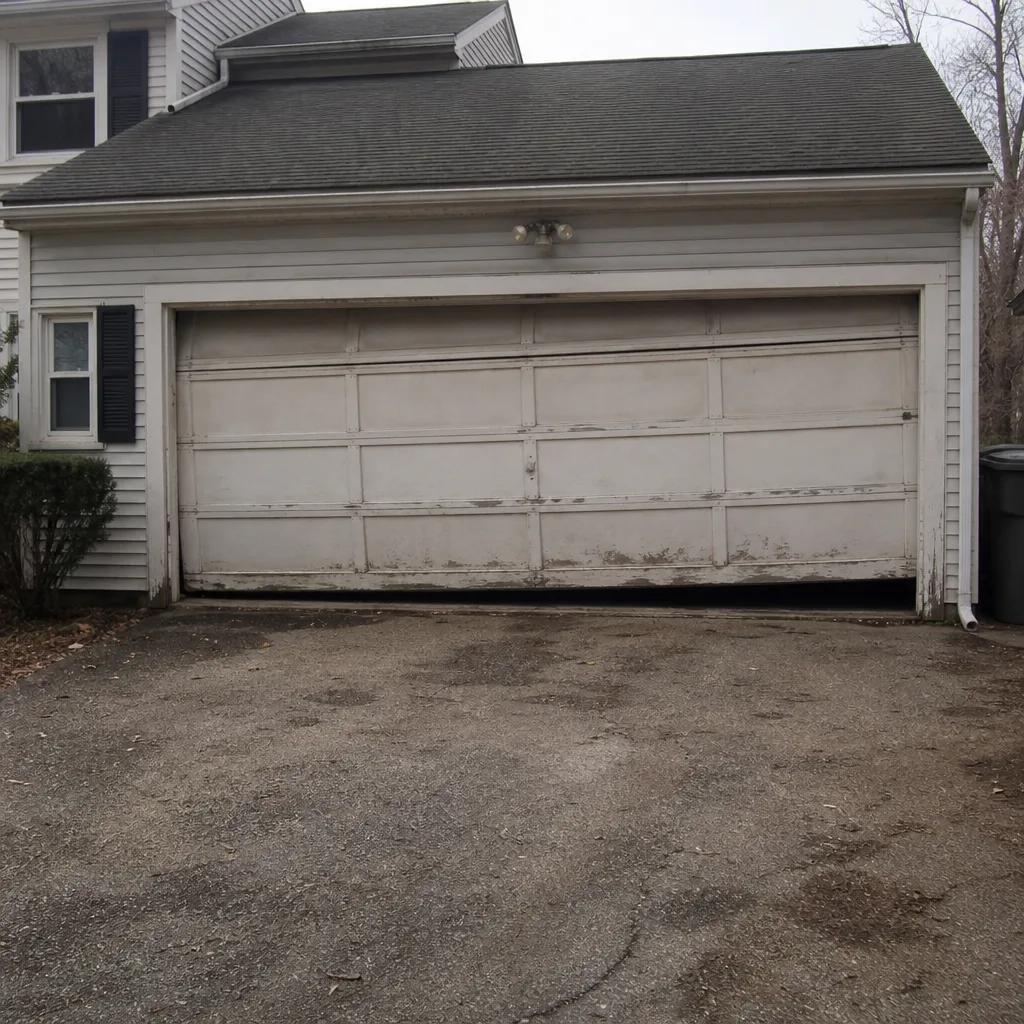 Before
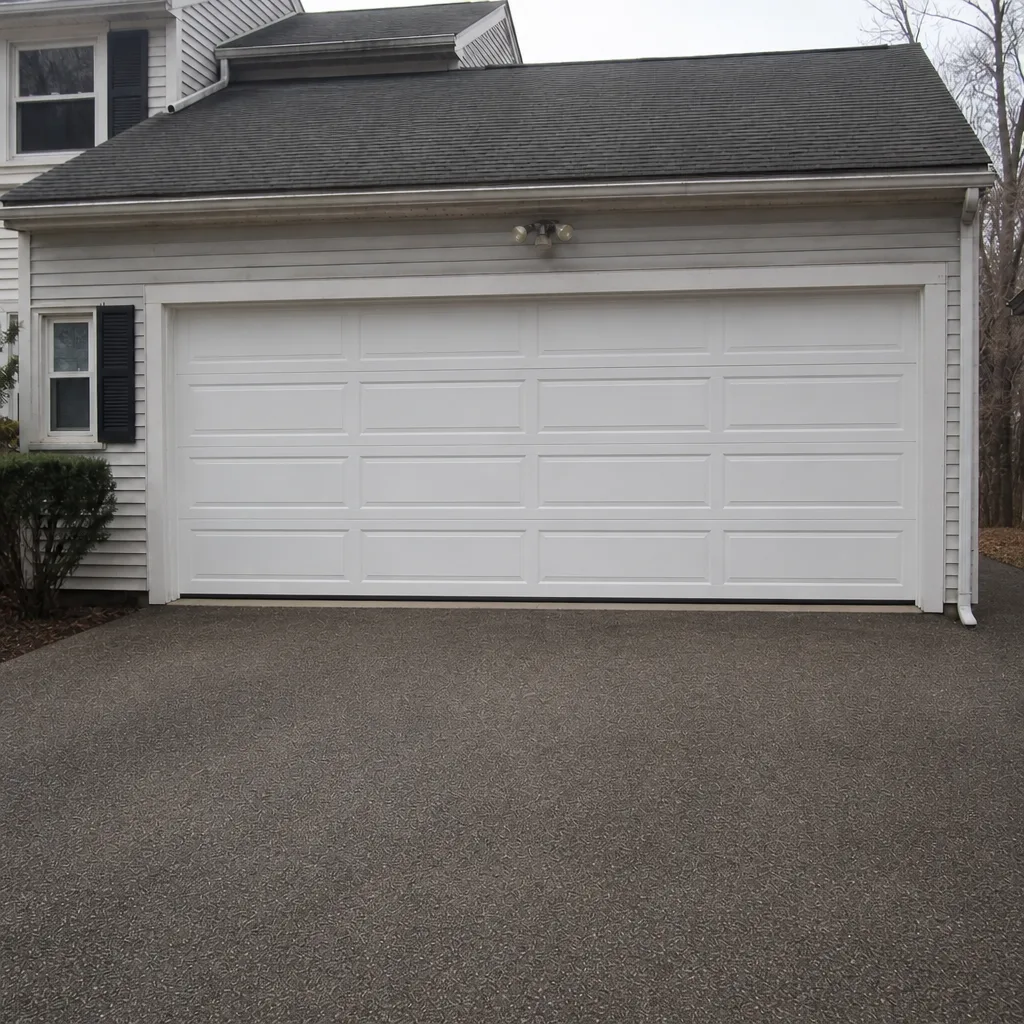 After
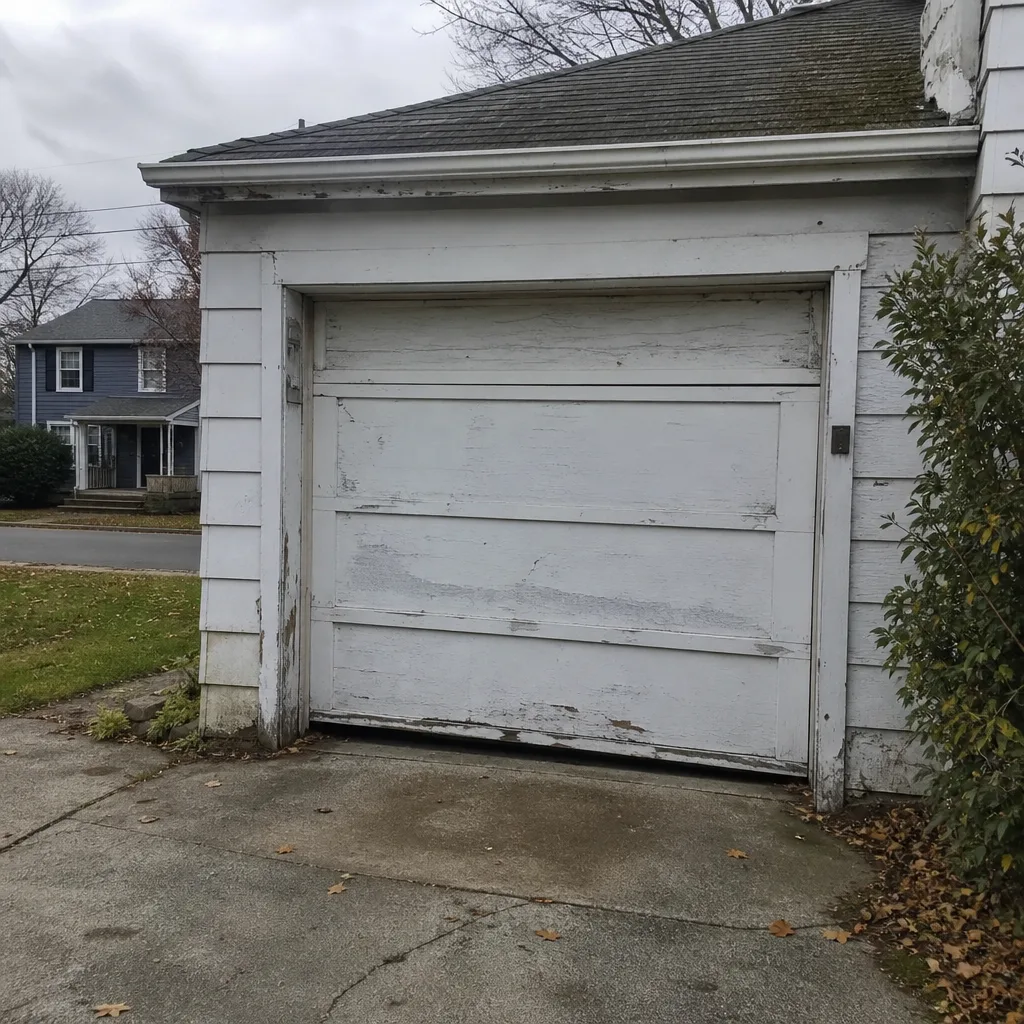 Before
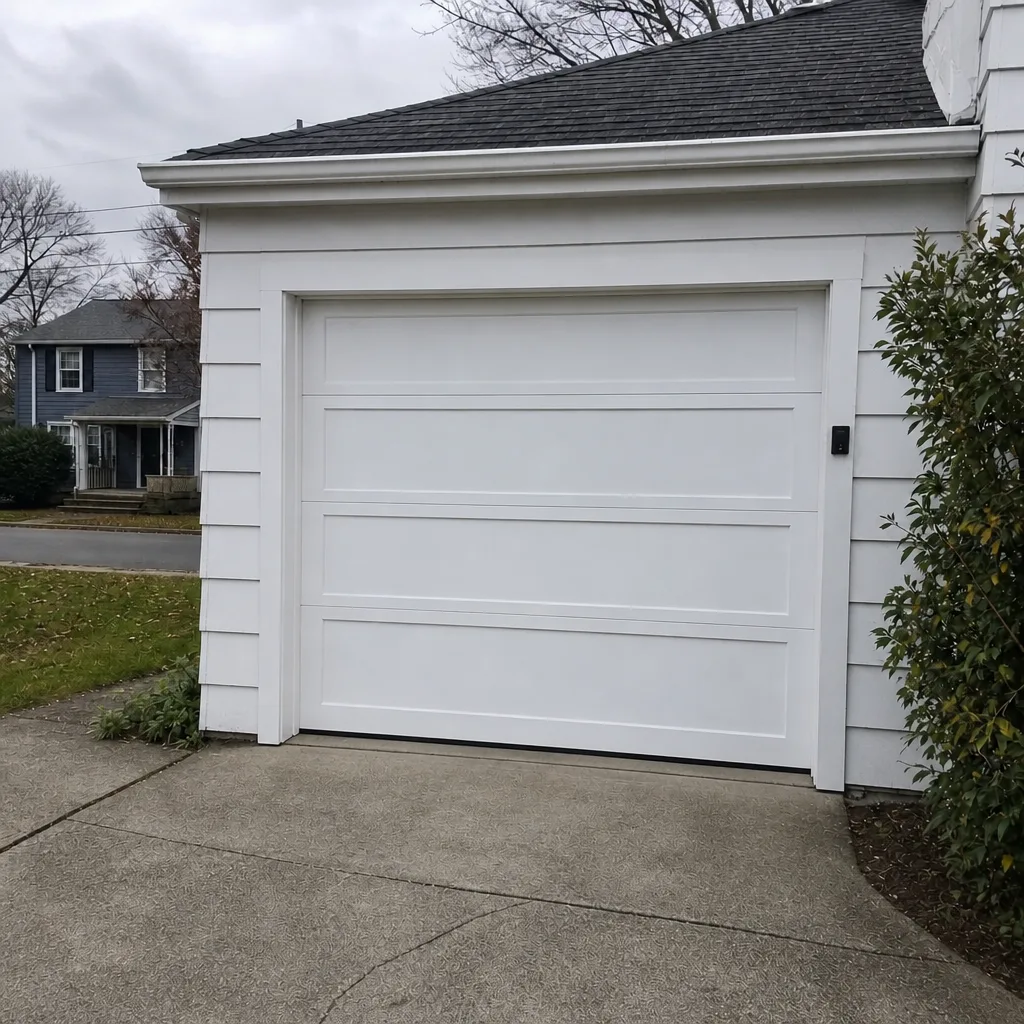 After
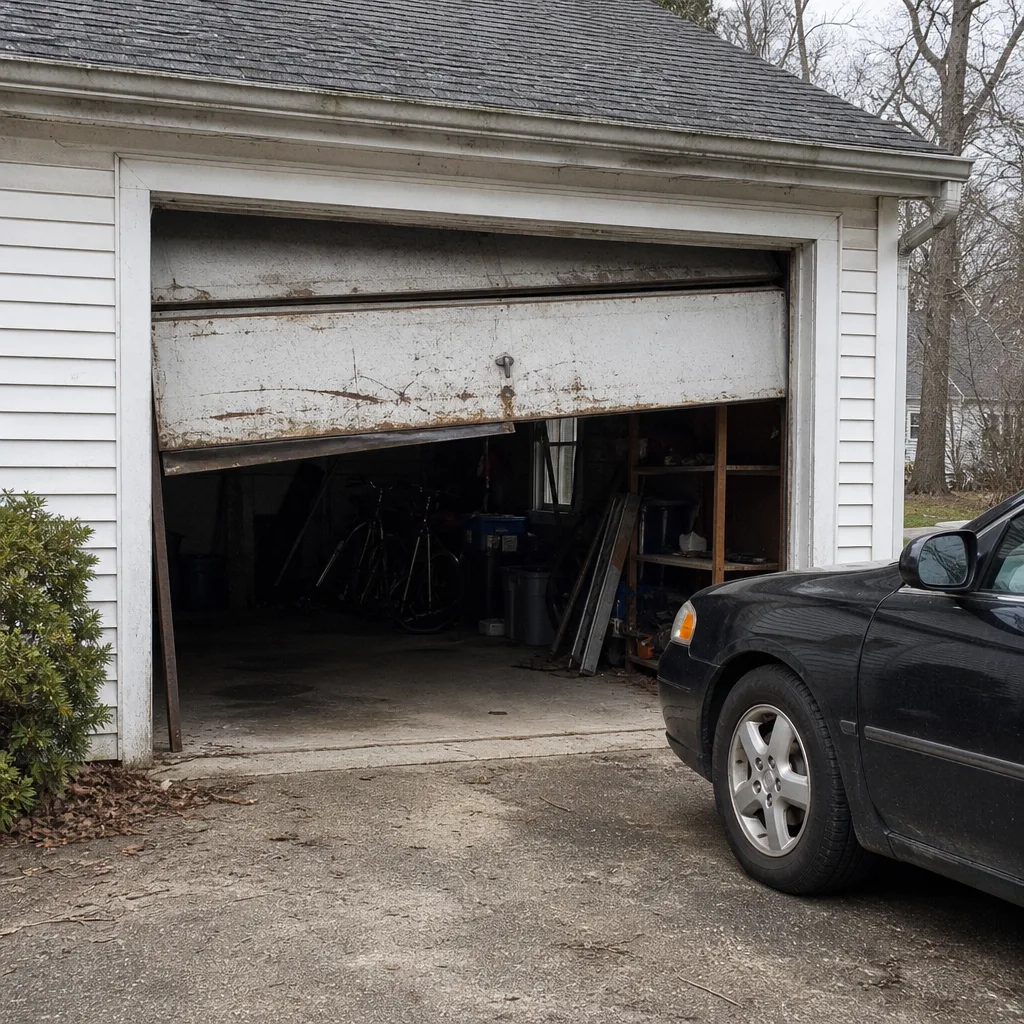 Before
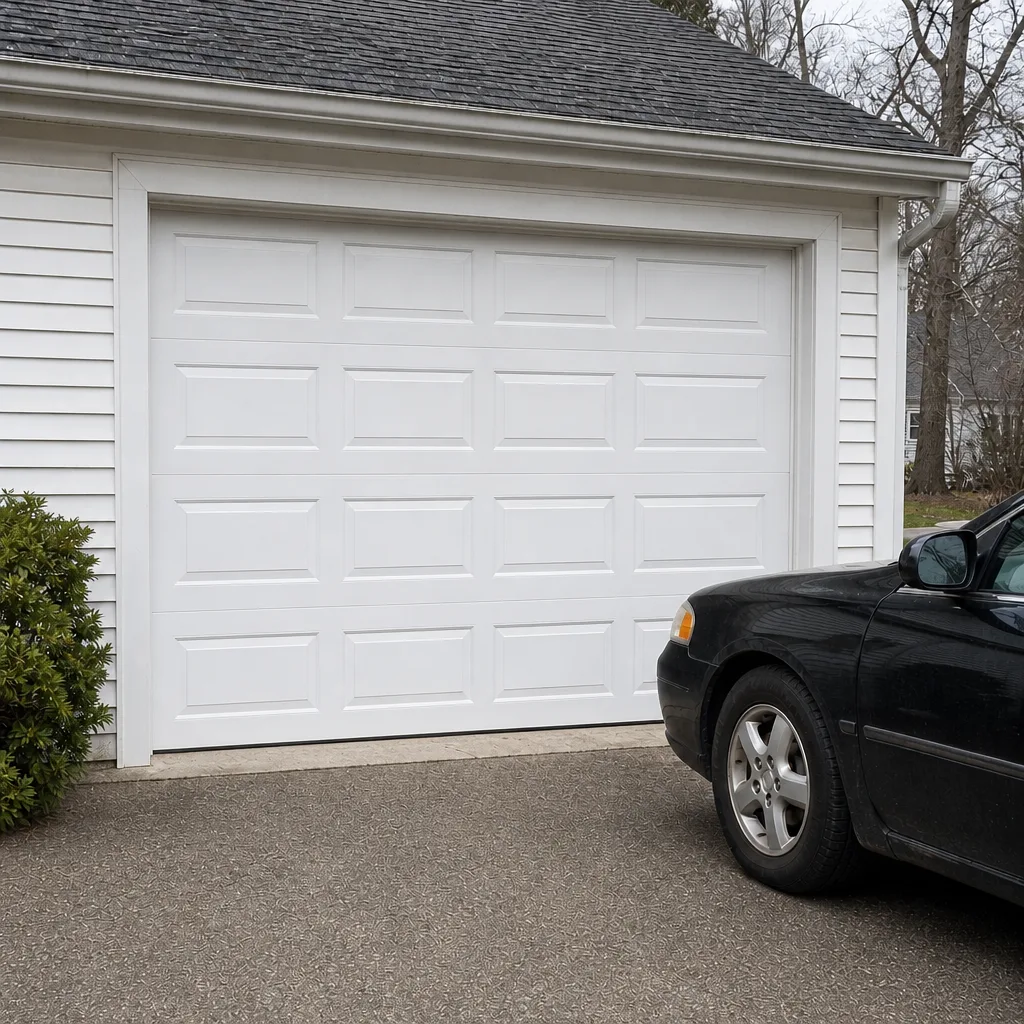 After
When to Call a Professional
Some trouble is worth a call. If the spring has snapped and the door won’t lift safely, if the door comes off its track or hangs crooked, if the opener runs but the door doesn’t move, or if the door reverses without warning, stop using it and get a professional out. These are signs of a real fault, not a quirk. The same goes for any job involving the springs or the opener’s electrical connections, which aren’t safe to tackle without training. If the door has failed and left the car trapped or the garage open, emergency service is the right call. Otherwise, plan a free estimate and get a written price before anything begins. Stamford Garage Door Repair Pros offers free estimates in Stamford – call (855) 337-1686. Our technicians have up to 13 years of experience. For an overview of everything we handle, start at Stamford Garage Door Repair Pros.
Frequently Asked Questions
Repair if the door is structurally sound and the problem is one or two parts, such as a spring, seal or opener. Replace if several parts are failing at once, the panels or frame are compromised, or you’re fixing the same door multiple times a year. A free estimate with a written price makes the choice clear. Call (855) 337-1686 to talk it through.
Torsion springs, bottom seals and opener circuit boards fail first. Humidity and freeze-thaw cycles work the springs harder, crack the rubber seals and stress the electronics. Checking these three every season catches most trouble early.
Yes, for repair and emergency calls. A snapped spring freeing your car or a door stuck open is worth a call right away, and we’re set up to respond when a failed door traps a car or leaves a home unsecured. Call (855) 337-1686 and we’ll get you booked for service.
No, if the quote is done right. The written estimate sets the price and is agreed before any work starts, so the number you’re given is the number you pay. If a hidden problem surfaces, it should be discussed and the price agreed before the extra work, never added after the fact.
Yes, in most cases. We work on the brand already in your garage, including LiftMaster, Chamberlain, Genie and Raynor systems, and our technicians are certified on eight major lines across doors and openers. Brand-specific knowledge is what makes the diagnosis accurate.
The local pro is licensed and insured as the state requires, and you can ask to see it in writing before work starts. Licensing and insurance protect you if something goes wrong, so it should never be treated as a hidden detail. Call (855) 337-1686 for a free estimate.
The Bottom Line
A garage door in Stamford is the largest moving part of your home and the entry point you use most, so it deserves decisions made on purpose rather than after a failure. Match the material to the local climate, measure before you order, check HOA rules in places like Shippan Point and parts North Stamford, and watch the springs, seals and opener electronics that fail first here. Vet your contractor on licensing, insurance and brand certification, not on marketing. Repair when the door is sound, replace when the failures pile up, and get every price in writing before work starts. That’s the whole guide in a paragraph.
When it’s time to put the guide to work, get a free estimate and a clear, written path forward. Springs, openers, panels, full doors, one call covers it all. Call (855) 337-1686 for a free estimate, or reach out at Stamford Garage Door Repair Pros.
Written by the team at Stamford Garage Door Repair Pros.