Last updated November 20, 2026
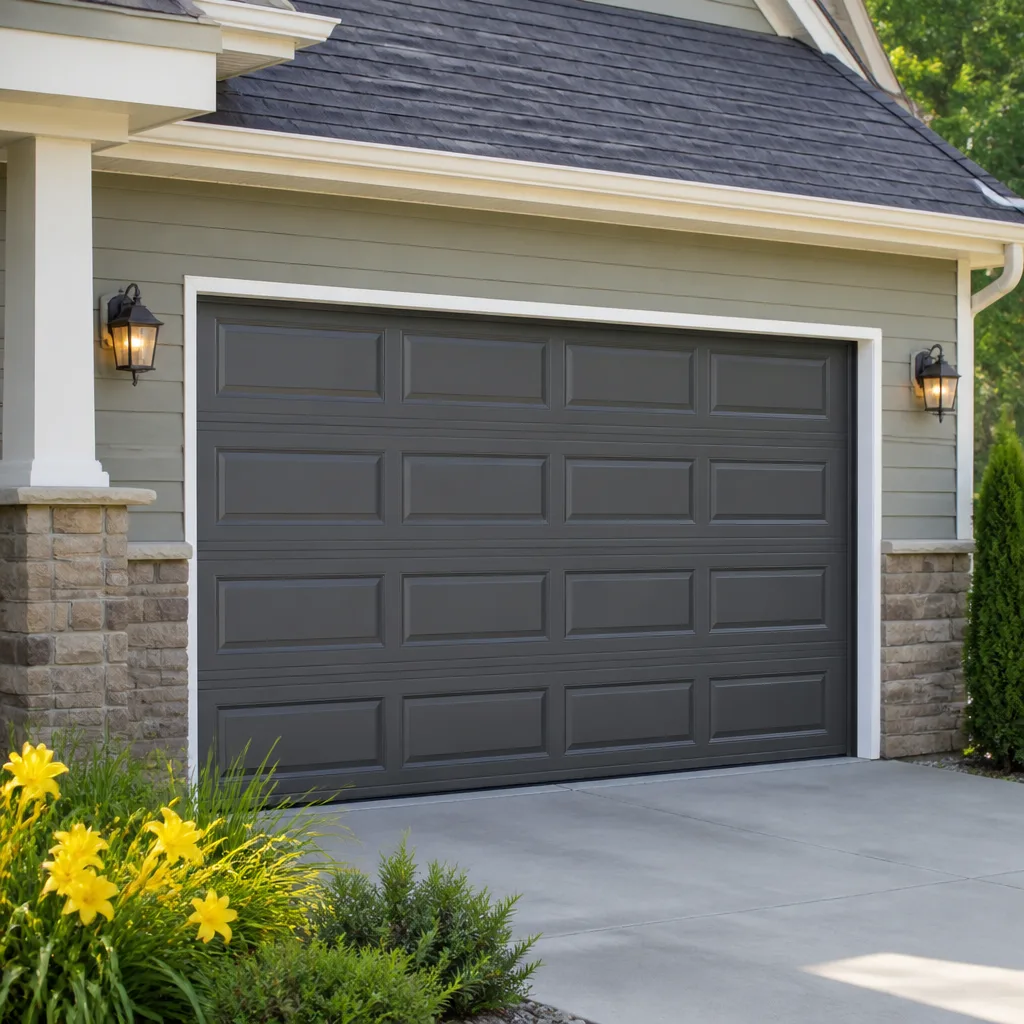 Raised-panel steel
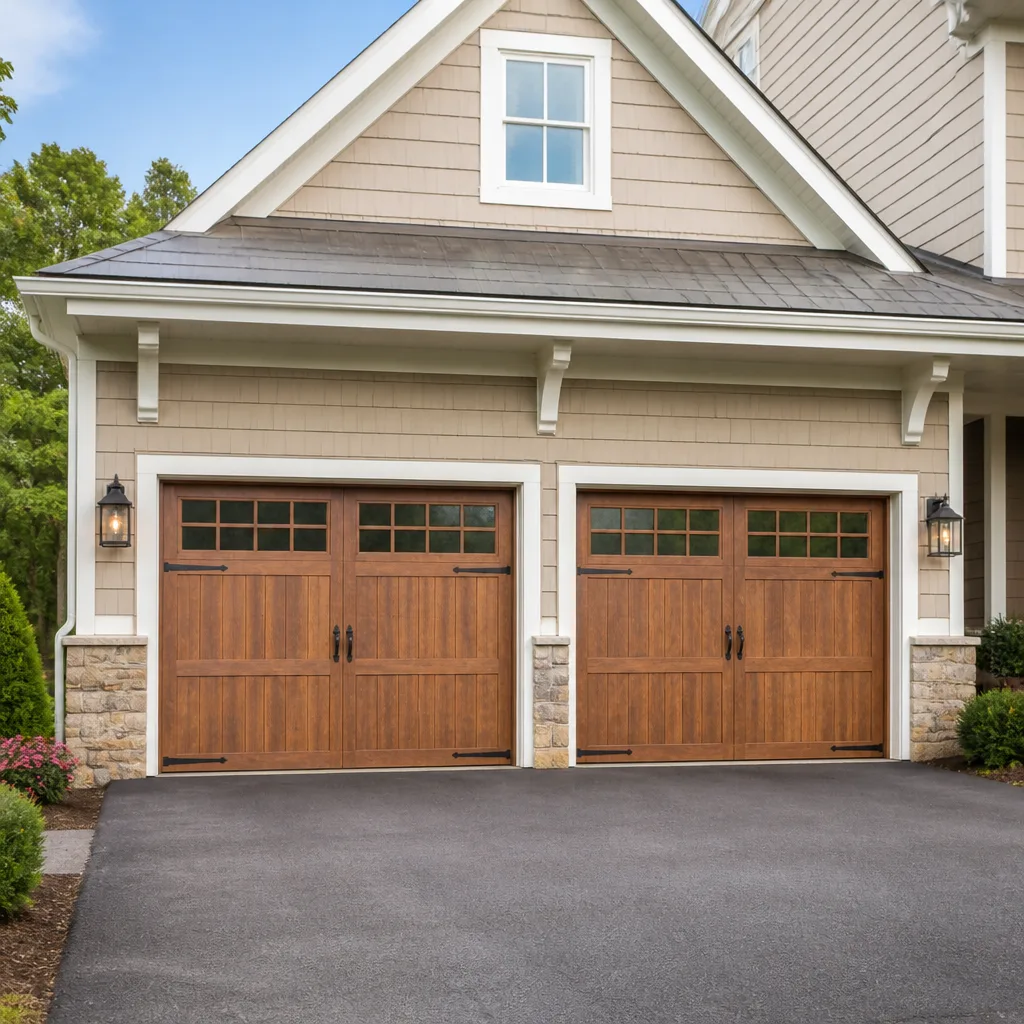 Carriage house
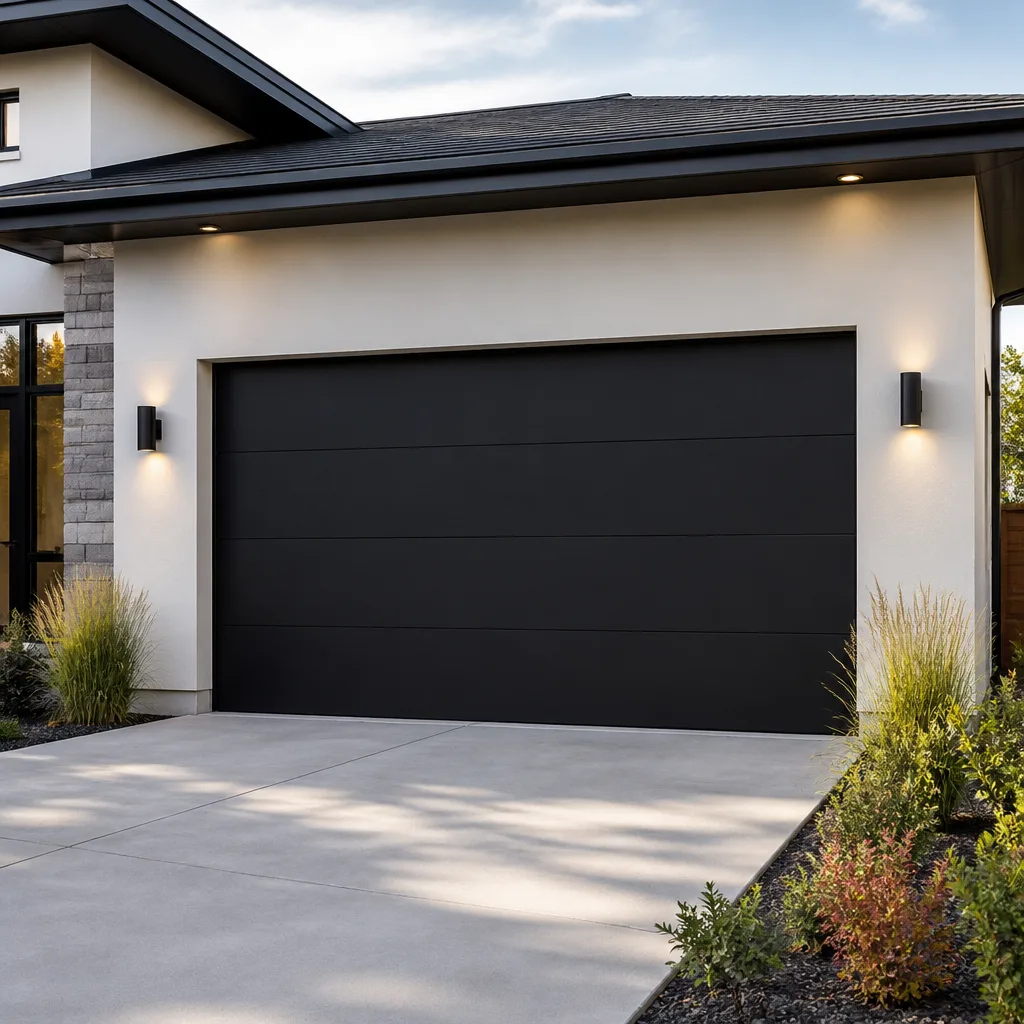 Modern flush
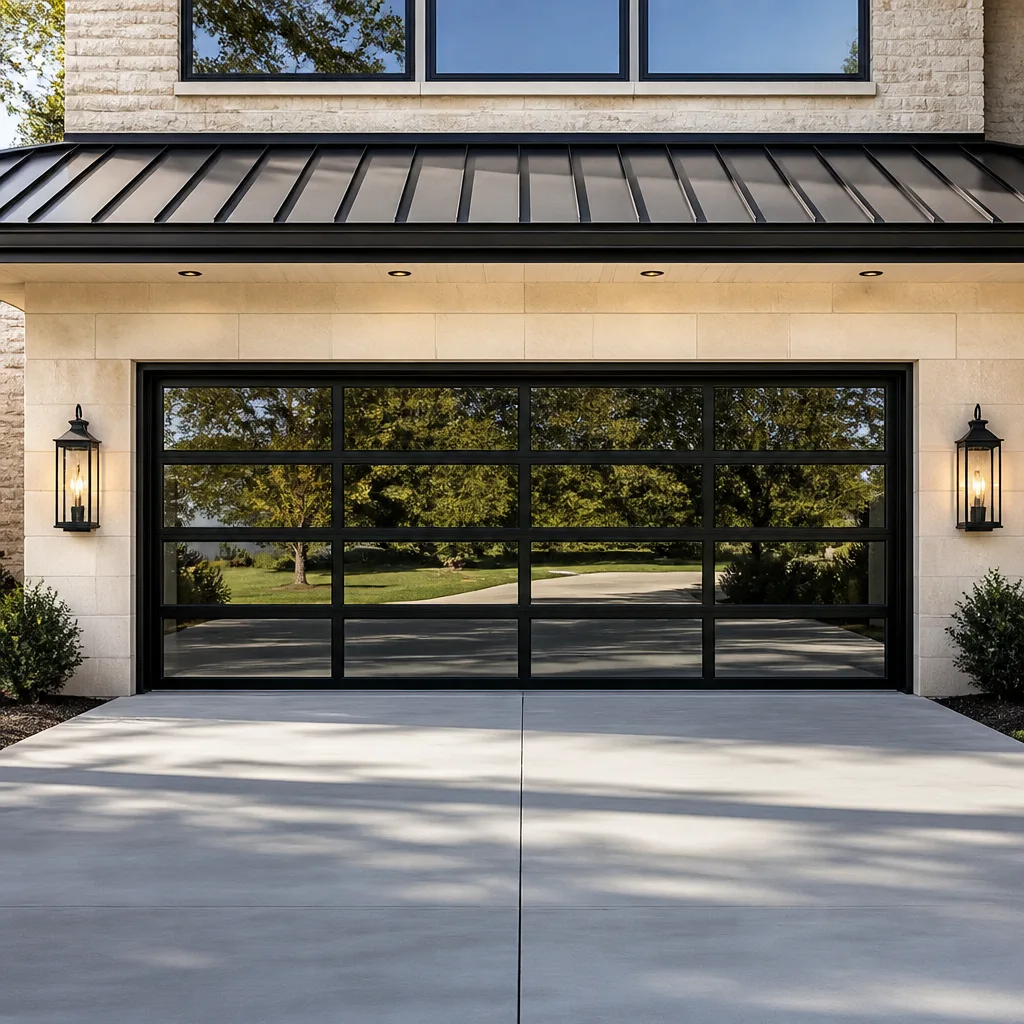 Full-view glass
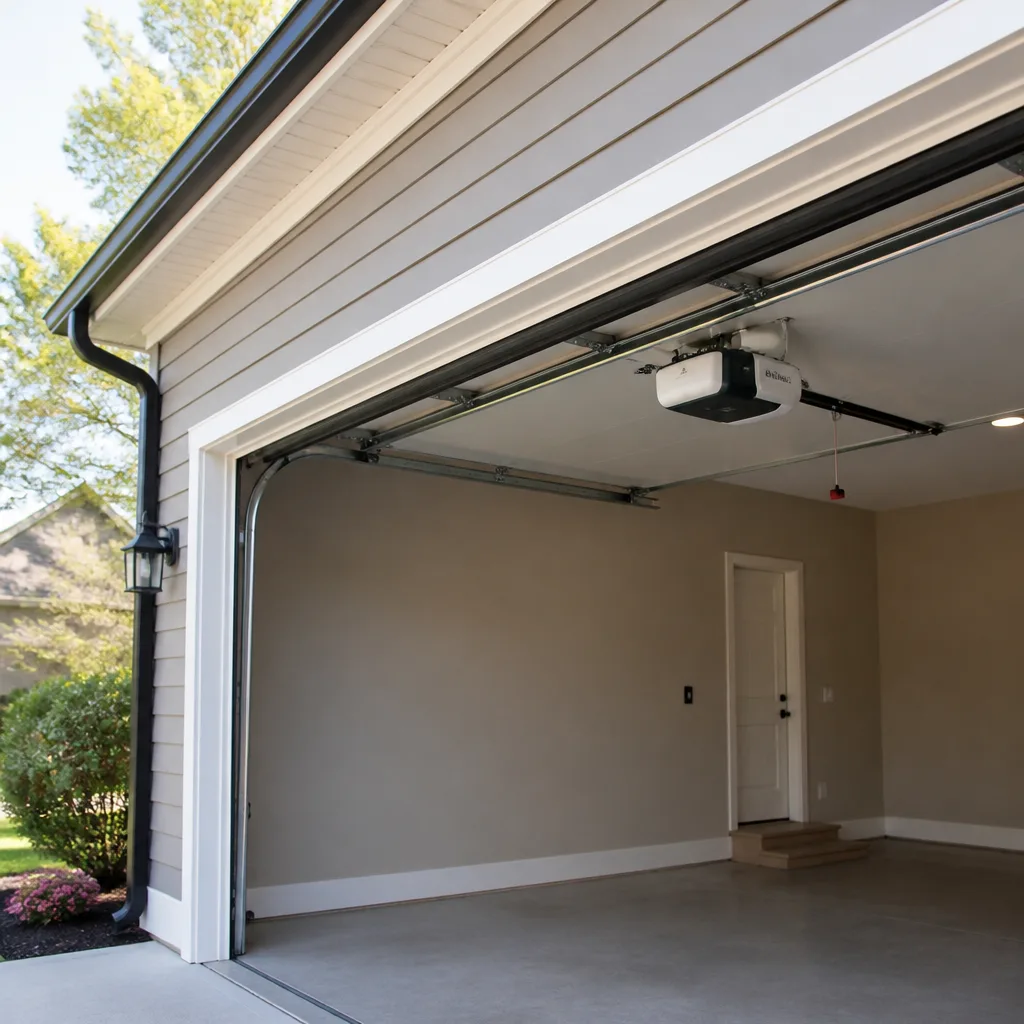 LiftMaster openers
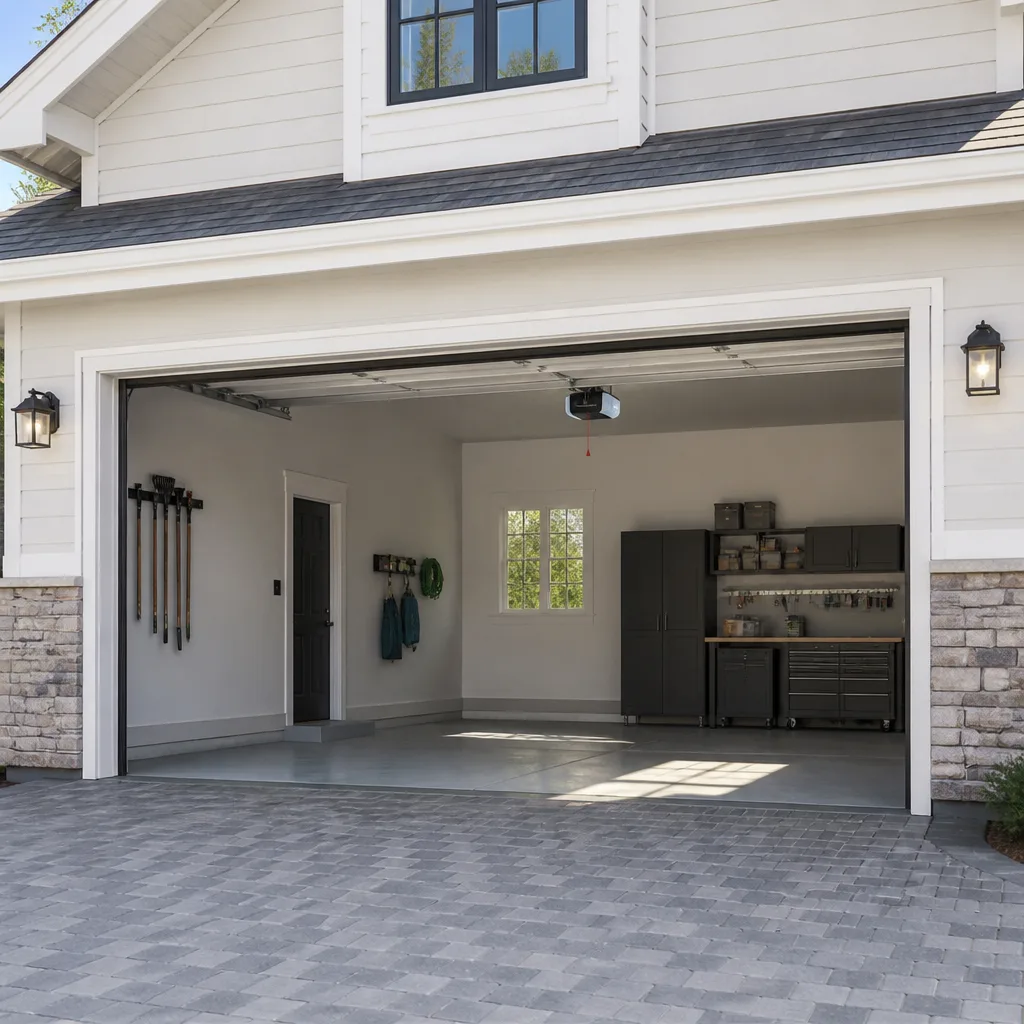 Chamberlain openers
Full 25-point door and opener safety check with every visit - springs, cables, rollers, tracks, and your LiftMaster or Chamberlain opener included
You get a price before we start. It does not change when the pro arrives.
Get your free estimateGarage Door Emergency Preparedness Guide for Stamford Homes
Most Stamford homeowners treat the garage door as a background appliance until the morning it refuses to open. The counterintuitive truth is that the emergencies that strand cars and leave homes unsecured are rarely sudden mechanical mysteries. They’re predictable events – a power outage, a snapped spring, a door frozen to the slab after a hard freeze – and almost all of them get worse because nobody planned for them. A fifteen-minute baseline of prep work changes the outcome. This guide walks through the manual release, storm readiness for nor’easters, battery backup testing, the contact information that speeds up a service call, and the post-emergency inspection that catches secondary damage. We’ve worked on enough Stamford doors to know which failures recur, and this guide puts that knowledge in your hands before you need it.
Quick Answer
A garage door emergency in Stamford is manageable if you know three things in advance: where your manual release cord is and how to pull it correctly, whether your opener has a working battery backup, and who to call with your door and opener model ready. Most failures – stuck doors during power outages, snapped springs, doors frozen shut after a freeze-thaw cycle – are handled the same day when you call with clear information. The prep takes about fifteen minutes and prevents the worst outcomes.
Styles & brands we work with
- Raised-panel steel
- Carriage house
- Modern flush
- Full-view glass
- LiftMaster openers
- Chamberlain openers
Table of Contents
- How Do You Manually Release a Garage Door During a Power Outage?
- Does Your Opener Have Battery Backup? How to Test It
- Storm Prep for Stamford: Nor’easters, Freezes, and Wind
- What to Do When Ice Bonds Your Door to the Floor
- The Emergency Contact List Every Stamford Home Should Have
- Post-Emergency Checklist: What to Inspect After Any Incident
- Building Your 15-Minute Preparedness Baseline
How Do You Manually Release a Garage Door During a Power Outage?
You pull the red manual release cord hanging from the opener trolley, then lift the door by hand. That’s the whole operation in calm conditions. The catch is that most people pull the cord at an angle or while the door is in a partially open position, and either mistake can cause problems that turn a thirty-second task into a service call.
The manual release disengages the door from the opener so you can move it without power. Every residential opener has one, whether it’s a LiftMaster, a Chamberlain, or an older unit. The cord hangs from the trolley that rides the rail above the door. Before you ever need it, find it. Walk into your Stamford garage, look up at the opener rail, and locate the red handle. If it’s tangled, out of reach, or missing, that’s a five-minute fix you want done before an outage, not during one.
When you actually need to use it, the sequence matters:
- Make sure the door is fully closed. Releasing the trolley while the door is partway up puts the full weight on the springs at an awkward angle and can let the door drop.
- Stand clear of the door’s path and pull the cord straight down in one firm motion – not at an angle, not with a sideways yank.
- Lift the door slowly by hand using the bottom section. A properly balanced door should rise with modest effort and stay put when you let go. If it feels heavy or slams down when released, the springs need attention and you should stop.
- Prop nothing under the door. If you need to leave it open, use the opener’s lock or a proper door lock, not a brick or a wedge.
The specific mistake we see most often is pulling the cord at an angle. That lateral force can dislodge the trolley from the rail or bend the release arm, and on some openers it can cause the cable to slip out of its drum. Once that happens, the door may not re-engage when power returns, or it may hang crooked. If you pull the cord and the door won’t move freely, or the trolley won’t re-engage later, stop and call. Our garage door repair team handles these re-engagement issues regularly, often the same day.
Does Your Opener Have Battery Backup? How to Test It
Many modern openers sold today include a battery backup that lifts the door a limited number of times during an outage. Whether yours does depends entirely on the model. LiftMaster and Chamberlain units with the myQ system often ship with backup capability, and Genie offers it on certain models. Older openers, and many builders’ units installed in Stamford homes a decade or more ago, typically have no backup at all. The only way to know is to check.
Testing takes about two minutes. Find the model number on the opener housing – usually a sticker on the back or side of the unit, or under the light lens. Then:
- With the door closed, unplug the opener from the wall outlet.
- Press the wall button or remote once. If the door lifts and the opener beeps or shows a battery indicator, you have a working backup.
- If nothing happens, either there’s no backup or the battery is dead. If your model is supposed to have one, replace the battery – typically a small rechargeable pack or a set of AA cells, depending on the unit.
- Plug the opener back in and cycle the door once to confirm normal operation resumed.
If the battery backup also fails during an outage, you’re back to the manual release. Here’s where a lot of Stamford homeowners get caught: they rely on the backup as their only plan and never confirm it works. Test it once a season, ideally before winter storm season. A backup that’s two years past its last charge is not a backup.
If your opener is older and has no backup option, that’s worth knowing now. Replacing an aging opener is a job our garage door opener repair team can walk you through, and it’s a question of whether a new unit with backup capacity makes sense for how you use the door. We work on the brand already in your garage, so the diagnosis follows the specific model’s logic rather than a generic checklist.
Do not attempt to open the opener housing to test the battery or bypass the safety sensors yourself. Openers run on household current, and the internal wiring and capacitor hold risk even after unplugging. A trained technician should handle anything past a battery swap.
Storm Prep for Stamford: Nor’easters, Freezes, and Wind
Stamford sees nor’easters that bring sustained wind, heavy snow, and hard freezes in the same storm. A garage door is the largest moving part on your home, and it’s a wide, flat surface that catches wind load. The prep work is different for a wind event than for a freeze, and doing both before the storm arrives is the point.
Before a high-wind event:
- Close and lock the door. Many openers have a lock feature, or you can use the manual slide lock on the door track if your door has one. A locked door resists wind-driven rattle and reduces the chance of the door being pushed off its track.
- Clear the area behind the door. Objects stored near the track or against the door panels can jam the door if it shifts.
- Check that the bottom seal and side weatherstripping are intact. A gap lets wind-driven rain in, and that water gets into the opener and the door hardware.
- If a storm is forecast to bring damaging wind, consider whether your door is rated for it. Older single-panel doors in some Stamford neighborhoods are not, and in extreme wind the safest move may be to keep vehicles clear and stay out of the garage.
Before a hard freeze:
- Inspect the bottom seal for cracks or hardening. A seal that’s lost its flexibility lets meltwater run under the door and refreeze, bonding the door to the slab.
- Shovel or clear snow away from the door base after every storm. Packed snow against the door melts during the day and refreezes at night.
- Check the door’s balance by hand. A door that’s already straining is more likely to bind when cold makes the metal contract and the lubricant thickens.
A note on how winter lands in Stamford: the freeze-thaw cycle here is what causes most cold-weather door problems, not the cold itself. Water gets into a gap, freezes, expands, and either bonds the door to the floor or works a seal loose. The prep is about keeping that water out before it becomes ice. If your door won’t open after a freeze, don’t force it – a forced opener can strip the gear or snap a spring. Call, and we can usually get out the same day.
What to Do When Ice Bonds Your Door to the Floor
An iced-in door is a specific Stamford winter problem: meltwater runs under the bottom seal, refreezes overnight, and locks the door to the concrete. Forcing the opener is the worst thing you can do. The opener will strain, the door won’t move, and the motor can burn out or the gear can strip before the ice gives.
Here’s the sequence that works:
- Stop pressing the button. Every cycle of a stuck opener adds wear.
- Get a rubber mallet or a plastic scraper and gently tap along the base of the door where it meets the floor, working from one side to the other. The goal is to break the ice bond, not to lift the door.
- If you can reach the ice with warm (not boiling) water, pour a small amount along the seal line. Boiling water on cold glass or metal can crack it.
- Once the bond is broken, lift the door slowly by hand from the bottom section to confirm it moves freely, then re-engage and test the opener with one short cycle.
If the door still won’t budge after that, or if you hear cracking or popping from the springs when you try, stop. That’s a call-us situation. A bonded door combined with a weakened spring is how people get hurt trying to force things. We can have a technician out to free the door and check whether the freeze event damaged the seal or the spring.
The Emergency Contact List Every Stamford Home Should Have
A garage door emergency call goes faster when you know three things: the door brand, the opener model, and a clear description of the symptom. With that in hand, the technician can often arrive with the right parts instead of making a second trip.
Build a short card and tape it inside a cabinet near the garage door or save it to your phone. Here’s what goes on it:
- Door brand. Clopay, Amarr, Wayne Dalton, Raynor, and the door manufacturer’s name is usually stamped on a sticker on the inside of the door panel or on the bottom section. The brand tells us how the springs are configured and whether parts are model-specific.
- Opener model. Sticker on the back or side of the opener housing. LiftMaster, Chamberlain, Genie, Craftsman – each brand has its own diagnostic logic, and model number matters for parts.
- Symptom description. “Door won’t open, opener clicks but nothing moves.” “Door opens but won’t close, light blinks.” “Heard a bang from the garage, door is halfway down and stuck.” The more specific, the faster the diagnosis.
- Home access notes. Where the garage door is relative to the driveway, whether there’s a gate code, whether a car needs to be moved.
- Our number. (855) 337-1686.
That last one matters more than it sounds. When the door is stuck and you have somewhere to be, the last thing you want is to be searching for a number while a car is trapped. Our garage door spring repair team takes the brand and symptom information up front so the right parts and the right technician head your way.
Post-Emergency Checklist: What to Inspect After Any Incident
The emergency is over. The car’s out, or the power’s back, or the storm has passed. This is where most people stop – and where secondary damage begins to set up the next emergency. A forced entry, a power surge, or a storm event leaves evidence that’s easy to miss but matters.
After a power surge or outage:
- Test the opener through a full open-close cycle. If the door reverses before closing or the light blinks in a pattern, the opener’s safety sensors or logic board may have reset or been damaged. Don’t force it.
- Check the manual release. After an outage, confirm the trolley re-engaged properly and the cord isn’t tangled.
- Listen. A new grinding, humming, or clicking from the opener after a surge is a sign of a control board issue and worth a call.
After a high-wind or storm event:
- Look at the door’s horizontal alignment. A door knocked slightly off-level will bind on one side and eventually damage the track.
- Check the rollers and hinges for visible damage or debris. Wind-driven debris jams into tracks.
- Inspect the bottom seal and side weatherstripping for tears. Water intrusion after a storm is a slow problem, and the seal is the first line.
After a forced entry or a break-in attempt:
- Inspect the door panels, the lock, and the lift handles. Panels that are bent but not obviously broken can let rain in and stress the hinges.
- Check the track alignment on the side where force was applied. A track knocked out of square is a jam waiting to happen.
- If the lock or latch was damaged, do not tape it shut and call it done. A compromised lock is a security gap, and the door needs to be made secure again.
Run these checks after any incident, even if the door seems to work. The damage that matters is the damage that isn’t obvious yet.
Building Your 15-Minute Preparedness Baseline
The prep work that prevents most Stamford garage door emergencies takes about fifteen minutes once. Here’s how to spend it:
- Locate and clear the manual release cord. Two minutes. Find the red handle, make sure it hangs free and reachable, and read how to pull it straight down.
- Write down your door brand and opener model. Three minutes. Look at the stickers. Save them in a note on your phone and tape a copy near the garage door.
- Test the opener’s battery backup if it has one. Three minutes. Unplug, cycle, confirm, plug back in.
- Inspect the bottom seal and weatherstripping. Three minutes. Run your hand along it, look for cracks, and check it presses against the floor.
- Test the door balance by hand. Two minutes. Disengage the opener, lift the door partway, and confirm it holds and rises without strain.
- Save (855) 337-1686 in your phone. One minute. Name it “garage door” so it’s easy to find.
Do this before winter storm season, and again before spring. Add a check after any big storm. The whole point is that when the power goes out or a spring gives way, you’re not figuring out where the release cord is while a car is trapped.
If any of these checks turns up a problem – a door that’s not balanced, a seal that’s cracked, an opener with no backup – we can look at it before it becomes an emergency. Free estimates, and the price is quoted and agreed before any work starts.
Common Mistakes to Avoid
- Pulling the manual release cord while the door is partially open. Releasing the trolley mid-travel puts the door’s weight on the springs at the wrong angle and can let it drop. Always close the door fully first.
- Yanking the release cord at an angle. The pull has to be straight down. An angled pull can dislodge the trolley or slip the cable drum, and then the door won’t re-engage when the power returns.
- Forcing a frozen-in-place door with the opener. The motor keeps working against the ice, and something gives – usually the gear or the spring. Break the ice bond by hand first, not with the remote.
- Assuming the battery backup works without testing it. Backup batteries lose charge over time. If your opener is supposed to have one and you’ve never tested it, it may not be there when you need it.
- Treating a bent track or panel as cosmetic. After a storm or a break-in, a slightly out-of-alignment track becomes a binding door that eventually stops working. Small damage compounds.
- Calling without the door and opener information. A call with no brand or model often means a second trip for the right parts. Have the info ready before you dial.
- Ignoring the balance test. A door that’s hard to lift by hand is telling you the springs are straining. Waiting for the spring to actually break means a door you can’t move at all – and spring repair is a higher-risk job than most homeowners realize.
See the difference
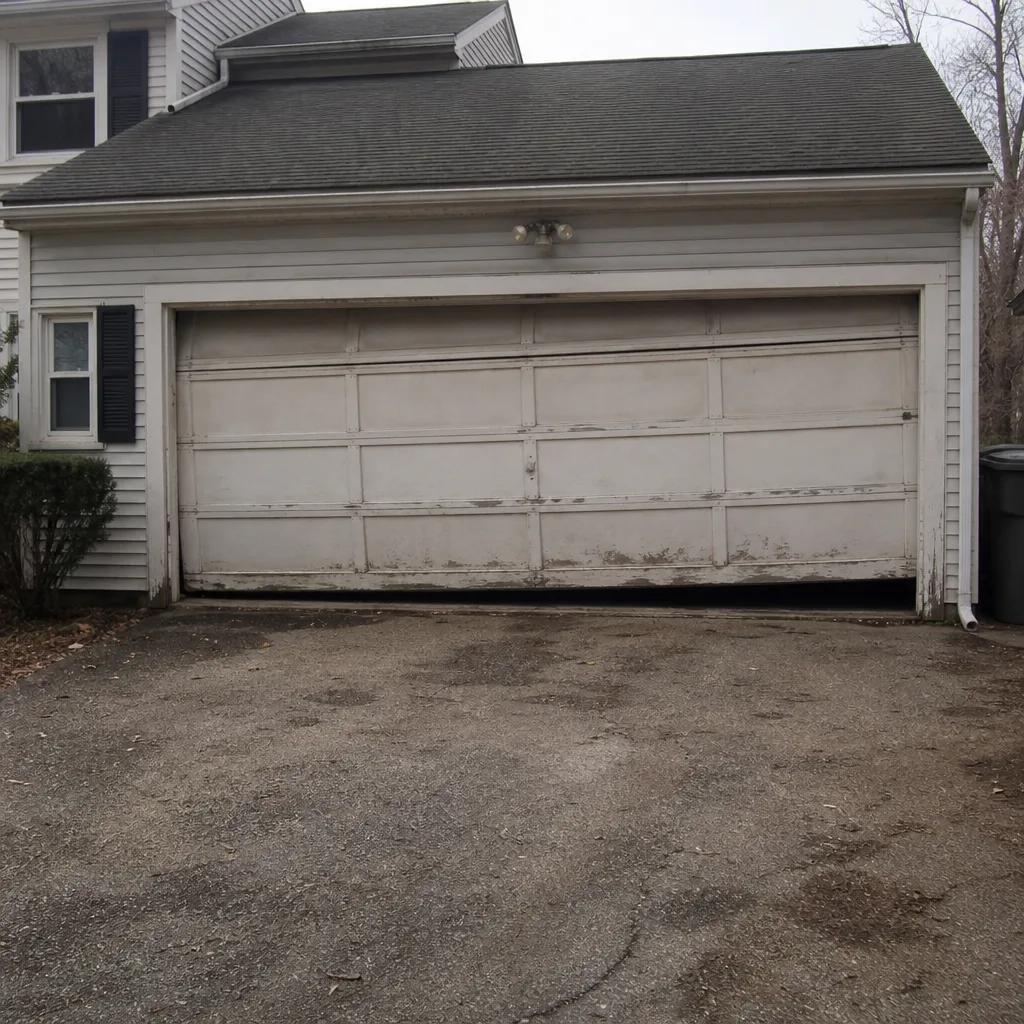 Before
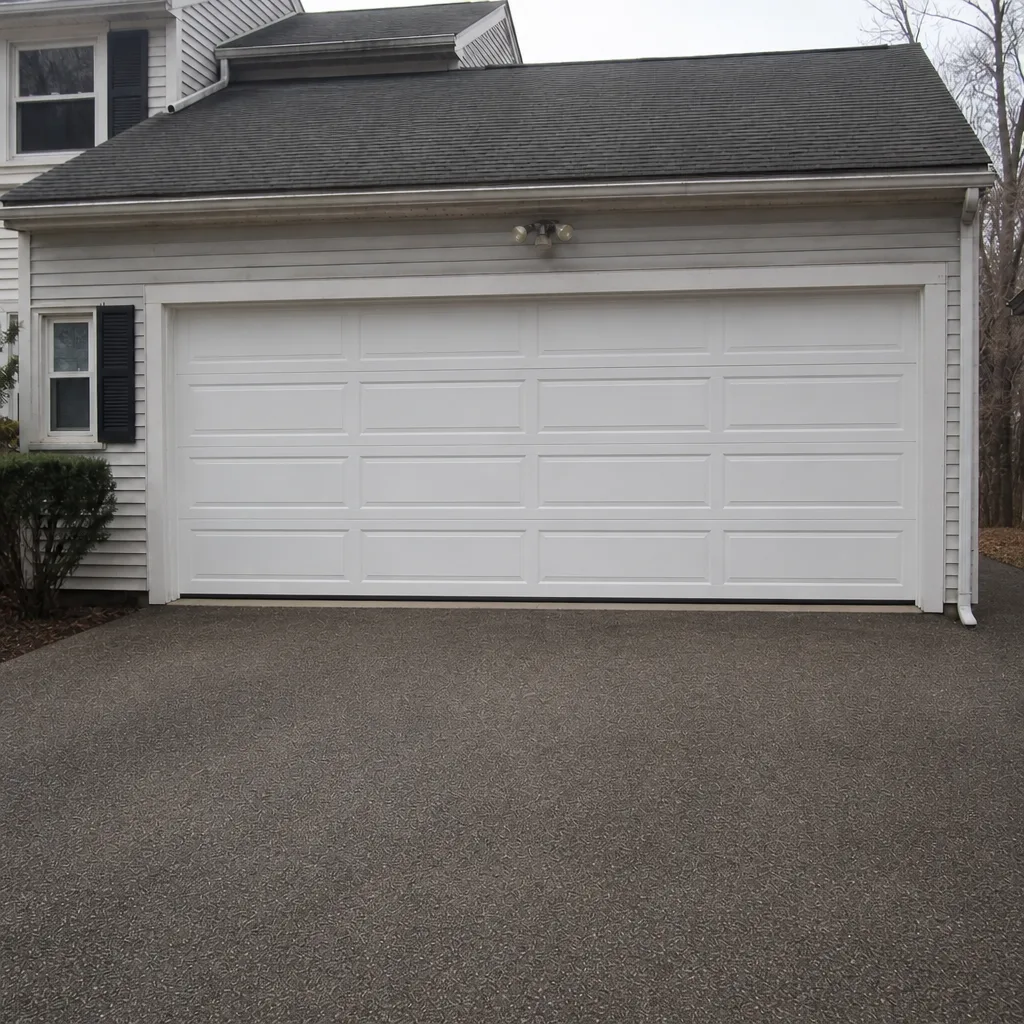 After
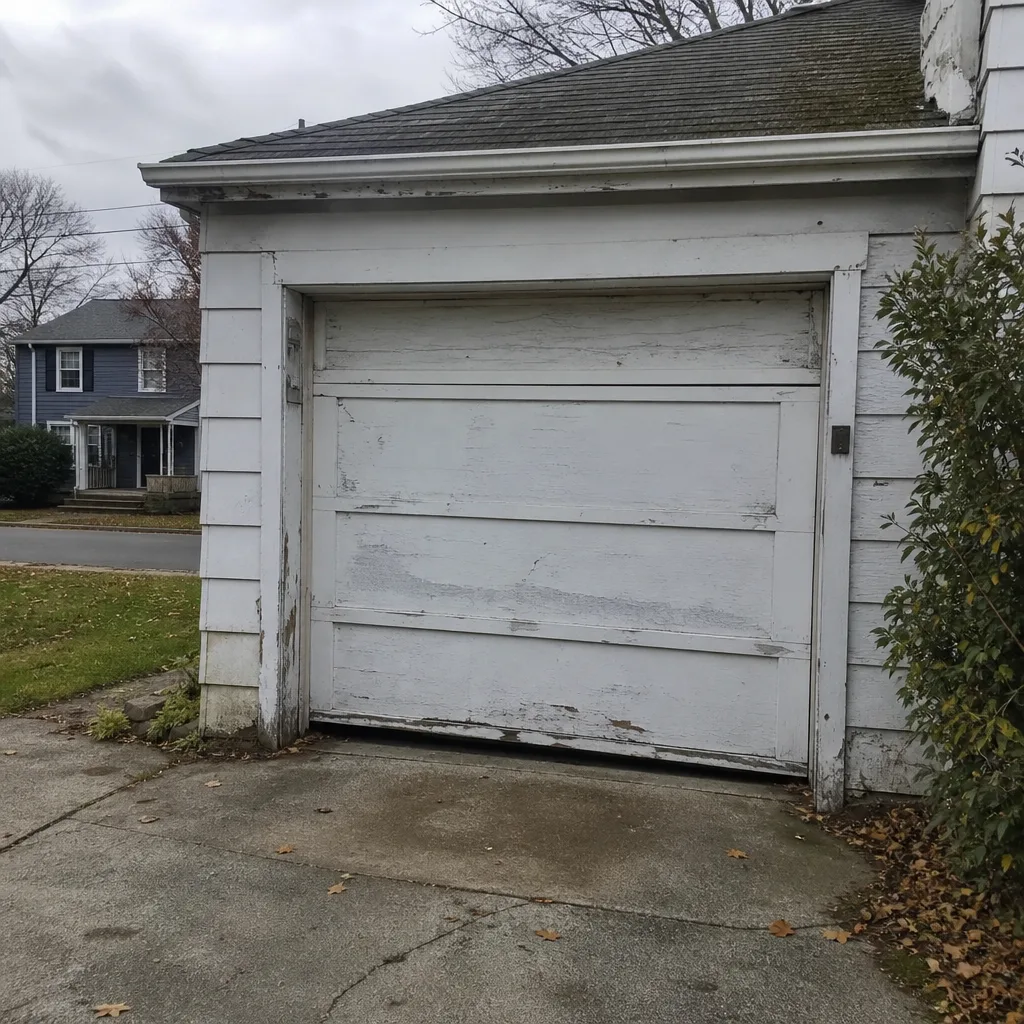 Before
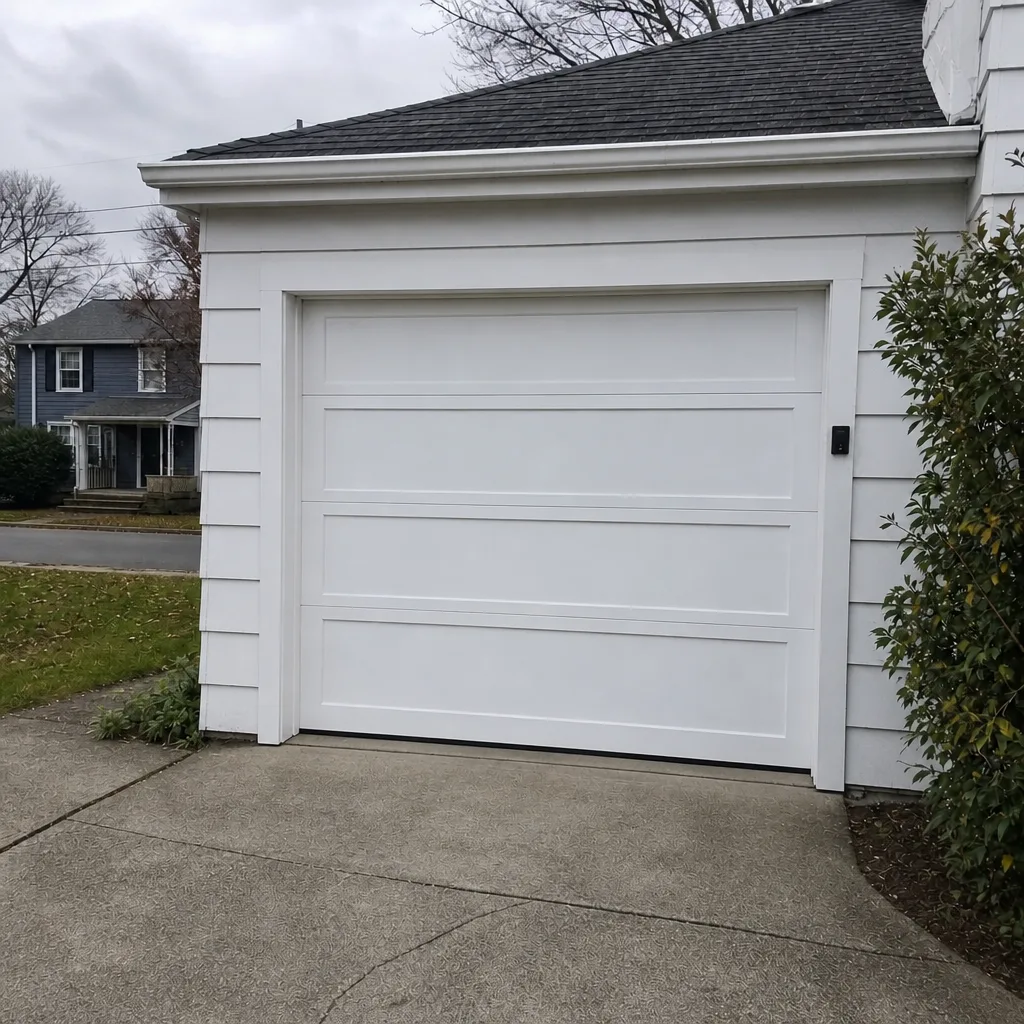 After
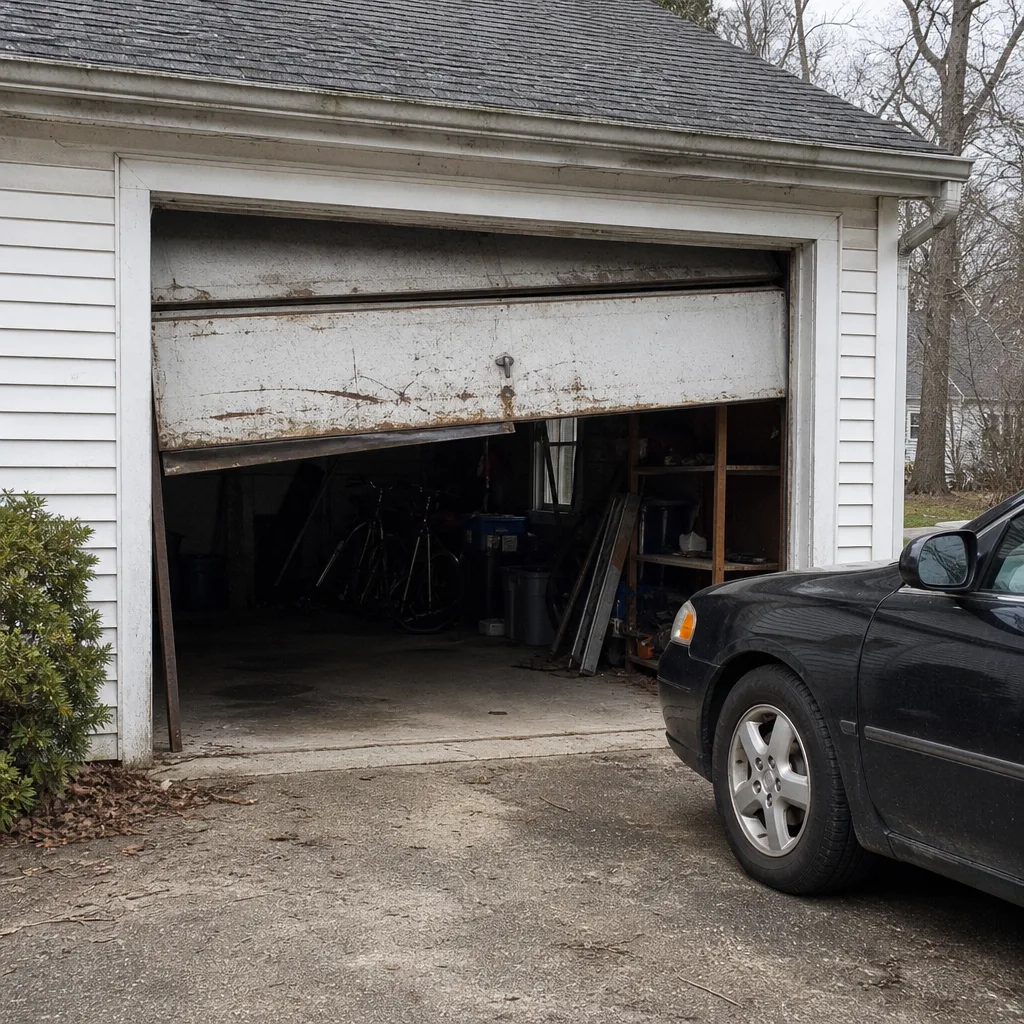 Before
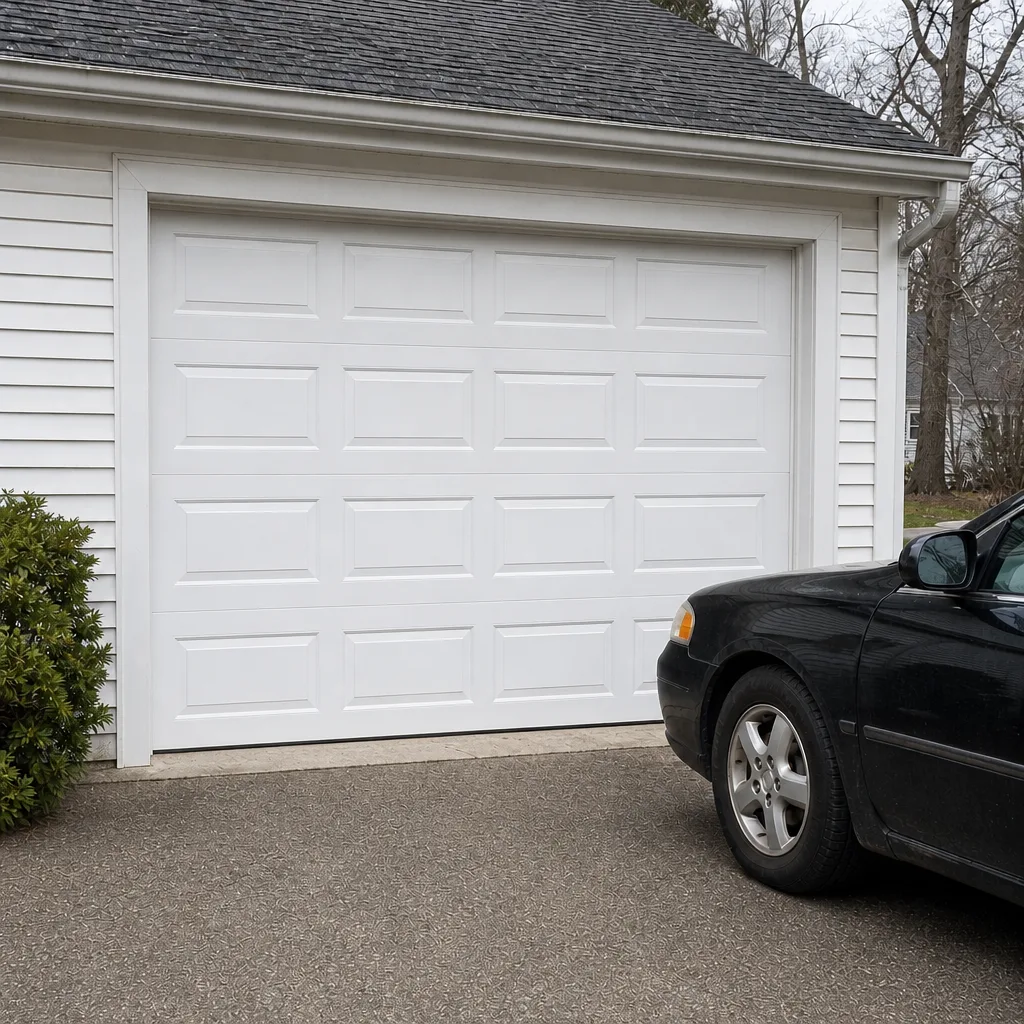 After
When to Call a Professional
Some of this you can handle. Some of it you shouldn’t. Call us for anything involving the torsion springs, the cables, or the opener’s internal wiring – those are the parts that carry enough tension to cause serious injury if handled wrong. Call for a door that’s off-track, a door that won’t re-engage after a manual release, an opener that clicks but doesn’t move the door, or a door frozen so solid the mallet and warm water don’t free it.
Stamford Garage Door Repair Pros offers free estimates in Stamford – call (855) 337-1686. Our technicians have up to 13 years of experience, we work on the brand already in your garage, and we handle springs, openers, panels, and full doors. Same-day and emergency service is available for urgent failures.
Frequently Asked Questions
Most emergency repairs fall in typical ranges depending on the part: a spring replacement runs about $180 to $340 for one spring, a matched pair costs roughly twice that since they’re usually replaced together, and opener repairs and track fixes vary by the specific failure. The written estimate sets the final price, and we quote and agree on it before any work starts so there are no surprises. Call (855) 337-1686 for an exact quote – estimates are free.
In most cases, yes. Same-day and emergency service is a core part of what we do, and a door that traps a car or leaves a home unsecured gets priority. Call (855) 337-1686 with your door brand, opener model, and a description of the symptom, and we’ll get the right technician and parts headed your way.
The local pro we connect you with is licensed and insured as their state requires. We work on eight major brands – LiftMaster, Chamberlain, Genie, Clopay, Amarr, Wayne Dalton, Craftsman, and Raynor – so the diagnosis follows the specific brand’s logic rather than a generic checklist. Call (855) 337-1686 to book.
No – not without your agreement. The estimate is quoted and agreed before any work starts. If we find a secondary issue while we’re in there, we explain it and you decide before anything changes. The written estimate is the price. Call (855) 337-1686 for a free estimate.
Use the manual release: make sure the door is fully closed, pull the red cord straight down (not at an angle), and lift the door by hand from the bottom section. A balanced door should rise with modest effort. If it won’t move freely or feels dangerously heavy, stop and call (855) 337-1686 – that’s a spring issue, not a power issue.
Yes. The nor’easters and hard freezes that hit Stamford every winter are the biggest drivers of door emergencies here – ice bonds the door to the floor, wind throws the door off track, and power outages strand cars. The prep in this guide is built around that pattern. If a storm has already done damage, call (855) 337-1686 and we’ll assess it.
The Bottom Line
Garage door emergencies in Stamford are mostly predictable, and that’s the good news. Know where your manual release cord is and how to pull it correctly. Test your opener’s battery backup before you need it, not during the outage. Prep the bottom seal and the door balance before freeze season, and clear the area behind the door before high wind. Write down your door brand and opener model, and save (855) 337-1686. After any incident – a storm, a surge, a break-in attempt – run the post-emergency checklist before the secondary damage becomes the next emergency. Fifteen minutes now saves a lot of trouble later. When something’s past the point of a homeowner fix, call Stamford Garage Door Repair Pros for a free estimate.
Written by the team at Stamford Garage Door Repair Pros.