Last updated November 20, 2026
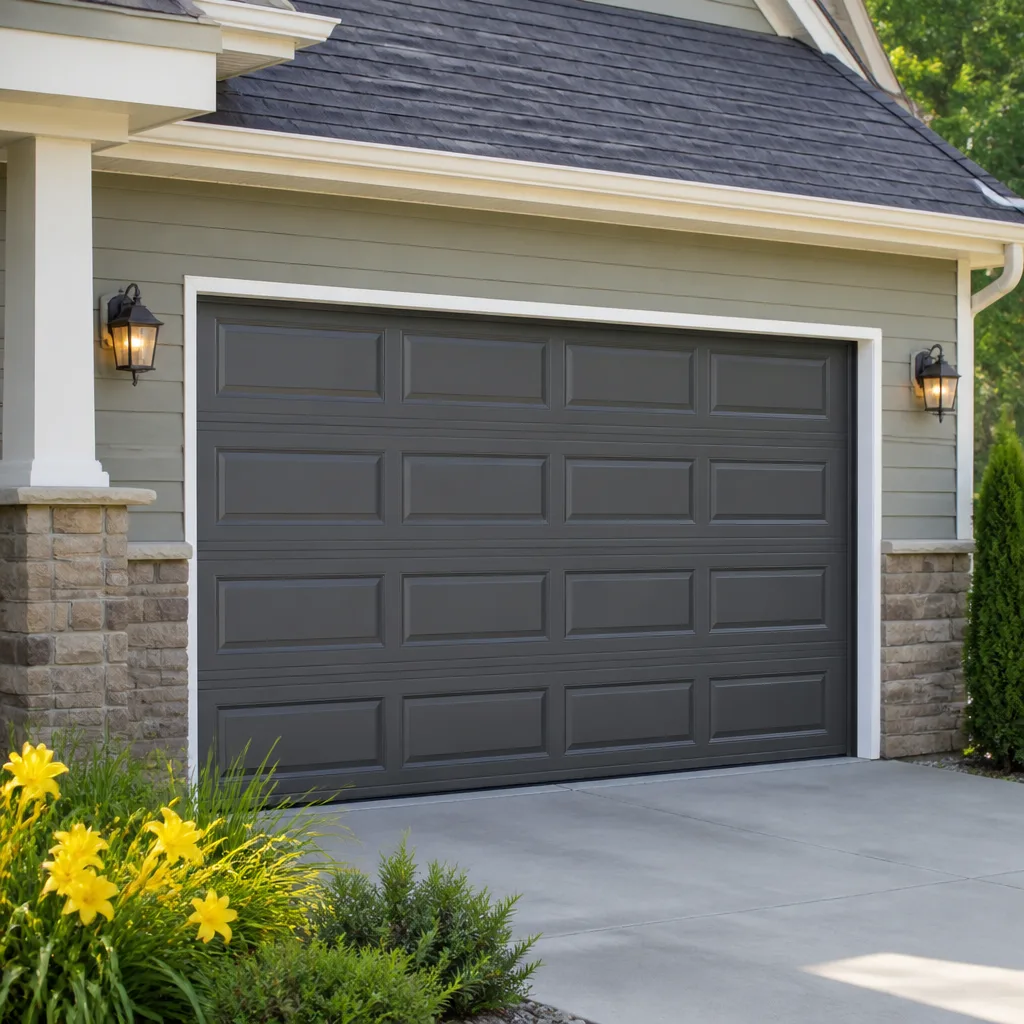 Raised-panel steel
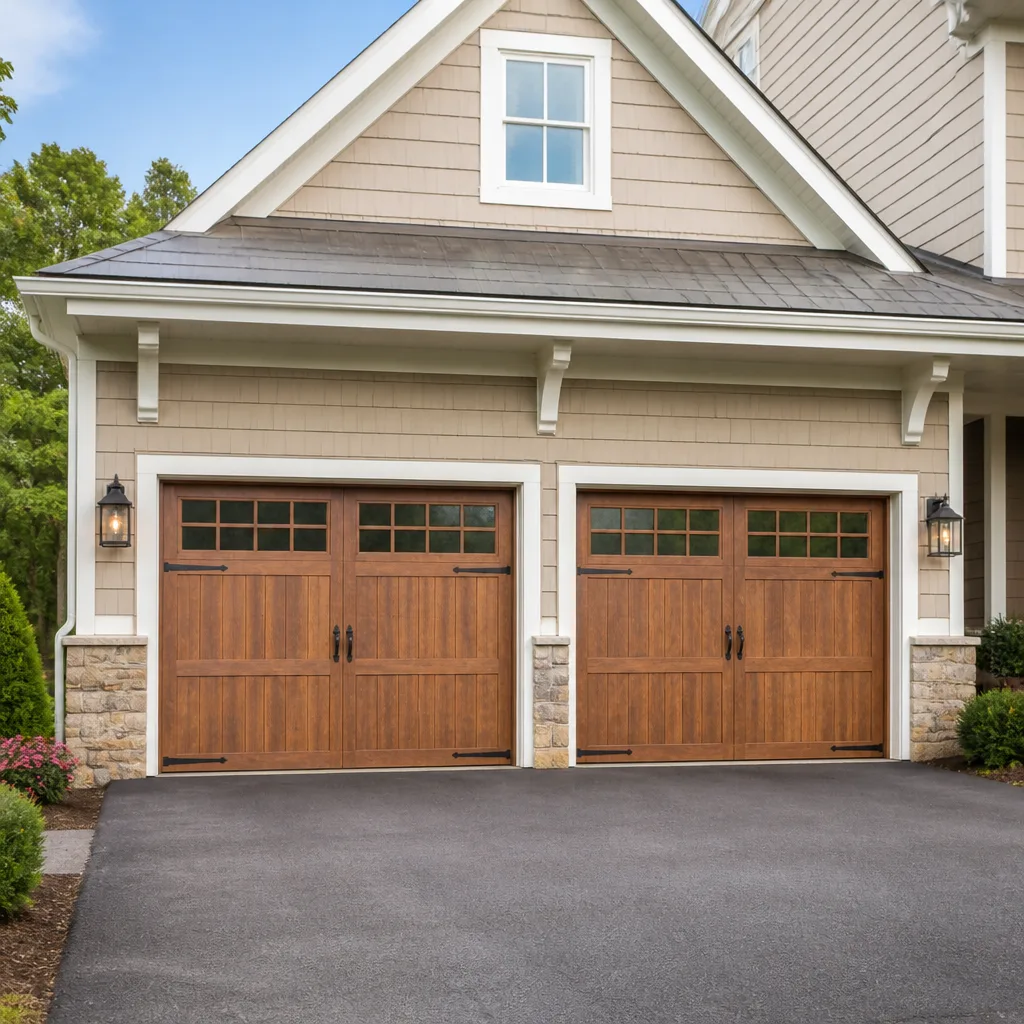 Carriage house
 Modern flush
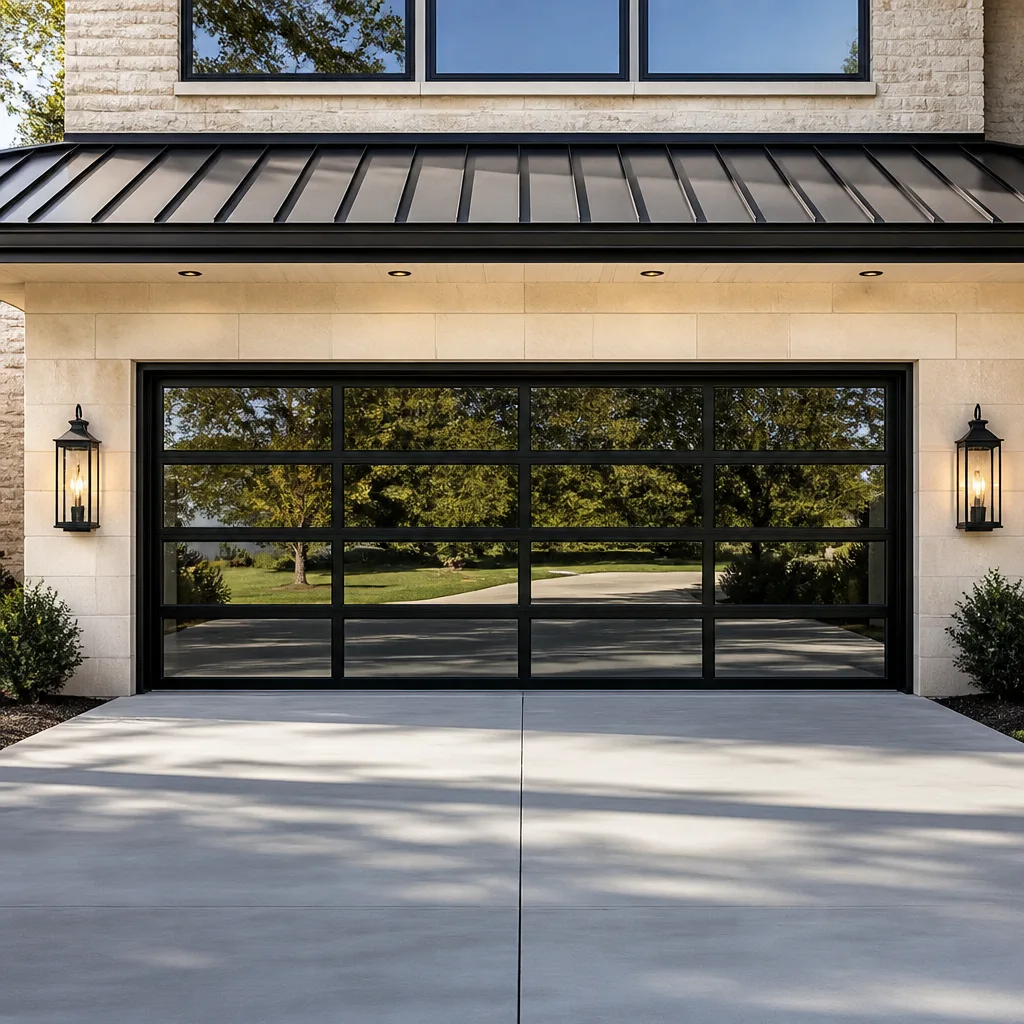 Full-view glass
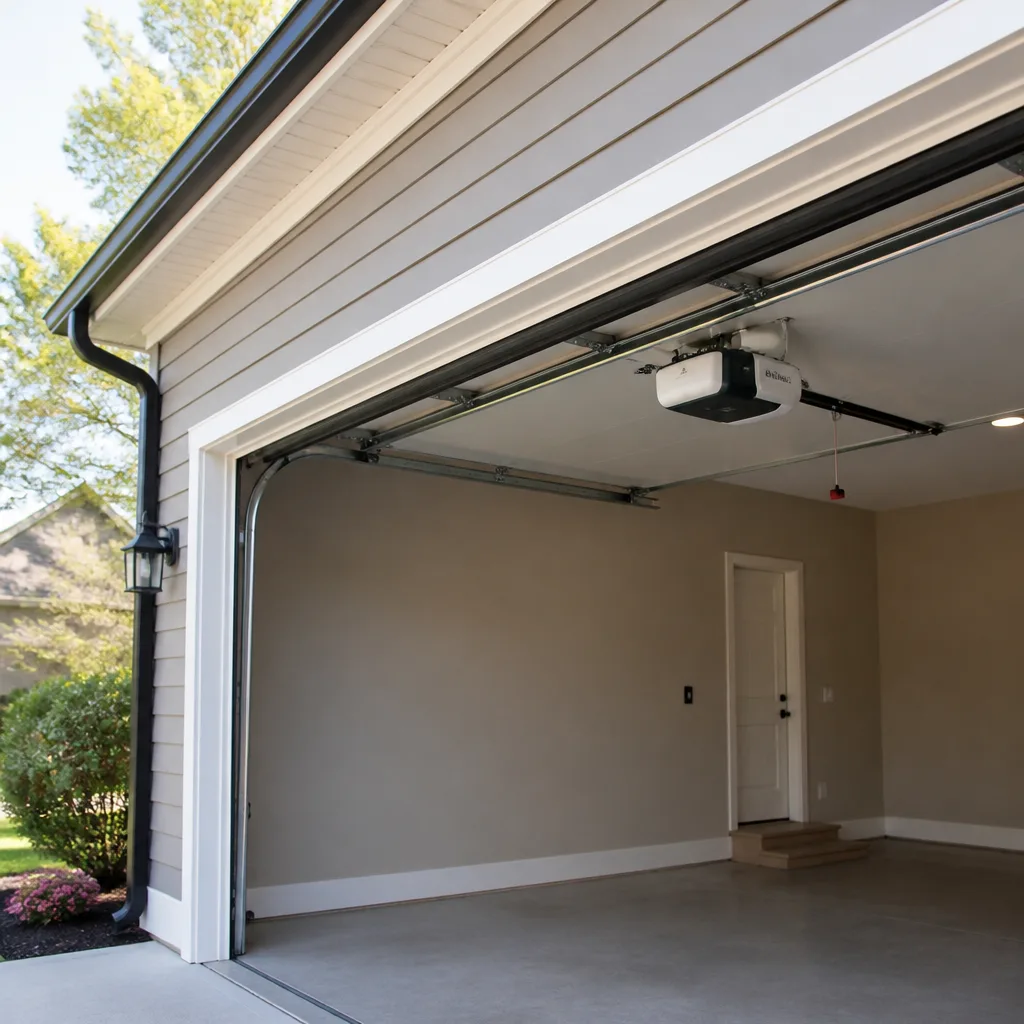 LiftMaster openers
 Chamberlain openers
Full 25-point door and opener safety check with every visit - springs, cables, rollers, tracks, and your LiftMaster or Chamberlain opener included
You get a price before we start. It does not change when the pro arrives.
Get your free estimateDIY vs Professional Garage Door: The Stamford Homeowner’s Decision Guide
Most garage door advice splits into two useless camps: “call a pro for everything” or a cheerful video that skips the part where a torsion spring can break your arm. Neither helps you decide what to do on a Tuesday afternoon when your door is stuck. Here’s the uncomfortable truth we’ve learned from years of working on doors in Stamford: the DIY-versus-professional question was never about how handy you are. It’s about which specific jobs carry real injury risk and which ones a careful homeowner can handle with the right information. This guide draws that line task by task, explains the physics behind the danger, and tells you when a small DIY fix saves you a service call – and when it turns a modest repair into an expensive one.
Quick Answer
In Stamford, a homeowner can safely handle lubrication, weatherstripping, safety-sensor alignment, keypad programming, and using the manual release. Torsion springs, cables, track realignment, and anything involving opener electrical work belong to a trained professional because those components store or release dangerous force. When in doubt about a spring or cable, stop and call – the risk isn’t worth the savings.
Styles & brands we work with
- Raised-panel steel
- Carriage house
- Modern flush
- Full-view glass
- LiftMaster openers
- Chamberlain openers
Table of Contents
- Which Garage Door Tasks Are Safe for Homeowners?
- Why Torsion Springs Are a Different Category of Danger
- The Cost Tradeoff: When DIY Saves Money and When It Doesn’t
- Stamford-Specific Factors: Older Homes, Non-Standard Springs
- What to Have Ready Before Any DIY Attempt
- Opener Repairs: What You Can Program and What You Shouldn’t Touch
- Maintenance That Prevents the Big Repairs
Which Garage Door Tasks Are Safe for Homeowners?
Start with a clear classification before you pick up a tool. The jobs below don’t involve stored spring tension or live electrical connections, which is why they’re appropriate for a careful homeowner with a step stool and a few basic tools. If a task isn’t on this list, treat it as professional territory until you know otherwise.
Safe-for-homeowner tasks:
- Lubrication – hinges, rollers, and the torsion spring itself (yes, you can wipe and oil the spring without removing tension) using a purpose-made garage door lubricant.
- Weatherstripping – the rubber seal along the bottom of the door and the trim around the frame. This is a straightforward replacement and one of the highest-value DIY jobs in a Connecticut winter.
- Safety-sensor alignment – the two photo-eye sensors near the floor. If one is bumped or blocked, the door reverses; cleaning the lens or nudging the bracket usually fixes it.
- Keypad and remote programming – entering a new PIN or pairing a remote on a LiftMaster, Chamberlain, or Genie unit is a menu exercise, not a mechanical one.
- Manual release operation – knowing how to pull the red release cord so you can open the door by hand during a power outage. Everyone in the household should know this.
- Visual inspection – looking and listening for frayed cables, worn rollers, or a door that hangs unevenly.
For a repair that isn’t on this list, our garage door repair team can tell you over the phone whether it’s a homeowner job or a professional one. That distinction matters in Stamford, where a lot of homes have doors installed decades ago and the components don’t always match a modern manual.
Why Torsion Springs Are a Different Category of Danger
A torsion spring is a tightly wound steel coil that holds the entire weight of your door in balance. When a technician winds it during installation, they’re storing energy – enough that the spring, not the opener, is doing most of the lifting work every time you press the button. That stored energy is the whole point. It’s also the whole danger.
Here’s the plain version: a wound torsion spring is under constant rotational tension, and if it’s released incorrectly – because a winding bar slips, a cable snaps at the wrong moment, or someone tries to unwind it with the wrong tool – that energy has to go somewhere, fast. Unlike a stuck drawer or a loose hinge, the failure mode here isn’t frustration. It’s a heavy spring whipping loose at head height. That’s why spring work is a different category of risk than most home repairs, and why even experienced handymen leave it to garage door specialists.
When a spring does fail, it usually breaks with a loud bang and the door becomes dead weight. In that situation, don’t try to force the door open – call for help. Our garage door spring repair service handles torsion and extension springs, including the older, non-standard setups we see in Stamford’s established neighborhoods.
If you suspect a spring problem – the door feels unusually heavy, you hear a snap, or the door only opens a few inches – treat it as professional-only and stop operating the door.
The Cost Tradeoff: When DIY Saves Money and When It Doesn’t
This is where the decision gets practical. A weatherstripping replacement costs you the price of the seal and an afternoon. A spring job costs a service call. But there’s a middle zone where a “cheap” DIY attempt leads to a much more expensive fix, and knowing where that zone sits is the real skill.
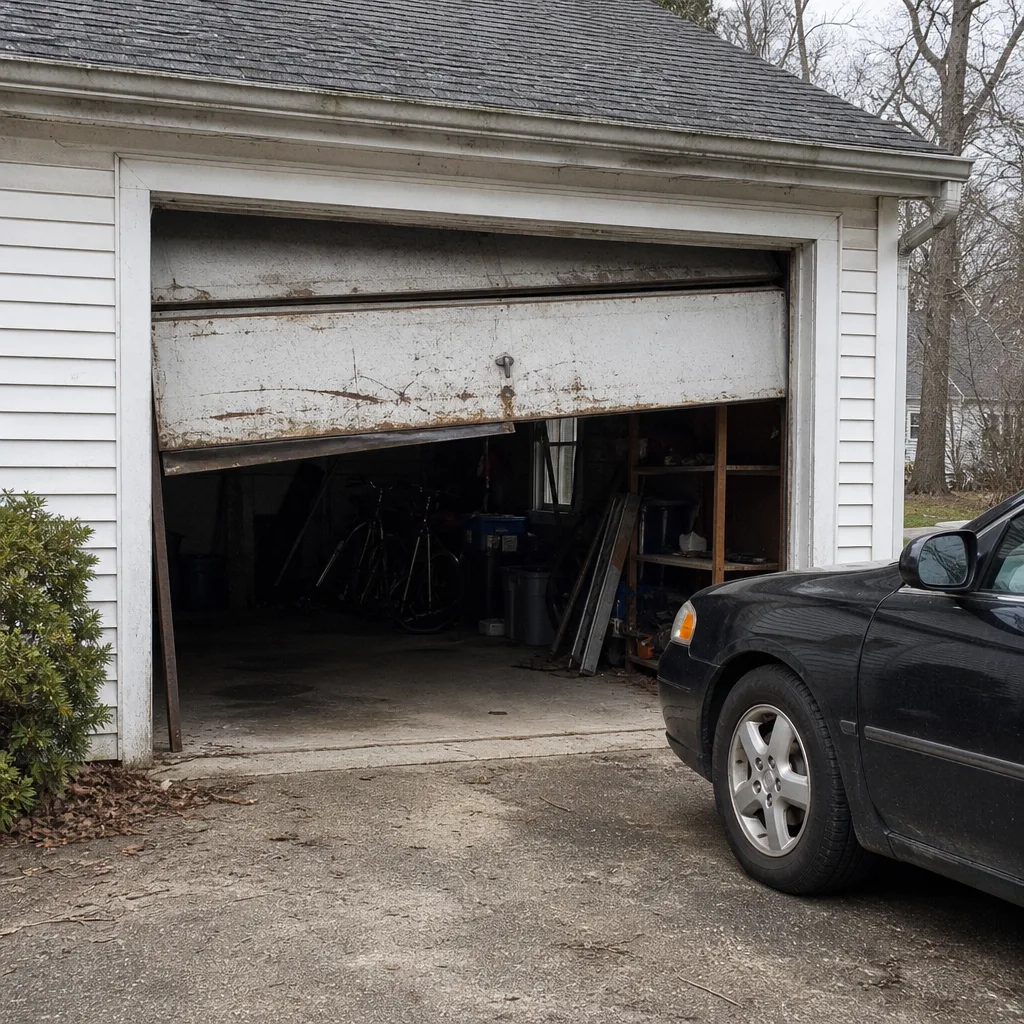
The clean DIY wins are parts that cost little and carry no risk: a bottom seal, a can of lubricant, a photo-eye bracket nudge, a keypad reprogram. Those are worth doing yourself. The trap is anything involving the counterbalance system, the cables, or the track alignment – a door that comes off its track because a homeowner tried to “adjust” it can bend panels and stress the springs, and now you’re paying for a bigger repair than the original problem.
For a real sense of what the professional side looks like, our garage door opener repair covers the electrical and mechanical work most homeowners shouldn’t touch. And when a door has reached the end of its life, a full replacement is a measurement-and-order job, not a same-day fix – we quote it in writing before any work starts. If you want the full picture of what repair involves, the Stamford Garage Door Repair Pros homepage lays out the service scope.
A useful rule: if the DIY job requires loosening a bolt that holds tension, it’s not a DIY job. If it requires a screwdriver, a ladder, and patience, it probably is.
Stamford-Specific Factors: Older Homes, Non-Standard Springs
Stamford isn’t a uniform housing market, and the garage doors reflect that. In neighborhoods like Glenbrook and Belltown, many homes were built or renovated decades apart, and you’ll find garage doors with spring configurations that don’t match what a modern parts diagram or a YouTube video assumes. A door from a mid-century build may use an older extension-spring setup, or a torsion system sized differently than today’s standard. That matters because it turns even a “simple” repair into a puzzle, and it’s the reason a generic online tutorial can lead you astray.
Then there’s the climate. Stamford winters bring freeze-thaw cycles that work on seals, hinges, and rollers, and a stiff, neglected door puts more strain on the springs and opener. Summer humidity adds its own wear. A door that squealed in November might be noticeably harder to lift by March. Regular lubrication and a healthy bottom seal make a real difference here – and both are homeowner-safe jobs. But when a door in an older Stamford home starts behaving oddly, the fix isn’t always the obvious one, which is where brand-specific diagnosis helps. Openers from LiftMaster, Chamberlain, and Genie all have their own logic for reversing, limit settings, and error codes, and what looks like a spring problem can sometimes be an opener calibration issue.
What to Have Ready Before Any DIY Attempt
Before you touch any hardware, gather the right tools and run one safety check. The check is simple: look at the door and its springs from a safe distance, with the door closed, and confirm nothing is visibly broken, dangling, or frayed. If a cable looks frayed or a spring looks separated, stop – that’s a professional call.
Minimum kit:
- A sturdy step ladder rated for your weight.
- A screwdriver set (Phillips and flathead).
- A socket or wrench set for the fasteners on your specific door.
- A purpose-made garage door lubricant – not WD-40. WD-40 is a solvent and water displacer, not a lubricant, and using it on hinges and rollers attracts grit and dries out over time. A proper lithium or silicone garage door lubricant is what the moving parts need.
- Gloves and safety glasses – cheap insurance when you’re working overhead.
- Your door’s manual or model number, so you can look up the correct part. For opener programming, knowing whether you have a LiftMaster or Chamberlain unit saves a lot of guesswork.
One more habit: with the door closed and the opener disengaged, do a gentle lift test by hand to feel whether the door moves smoothly or binds. If it binds, don’t force it – that’s a signal to call rather than a signal to try harder.
Opener Repairs: What You Can Program and What You Shouldn’t Touch
The opener is a separate subsystem from the door itself, and it splits cleanly. Programming a remote, changing a keypad code, adjusting a travel limit on a smart unit, or reconnecting a Wi-Fi opener to your home network are all homeowner-level tasks. Modern systems from LiftMaster, Chamberlain, and Genie are designed for it, and the manuals walk you through it. If your opener is older or a Craftsman legacy unit, the instructions may be less obvious, but the task is still safe.
What you shouldn’t touch is the electrical side – the wiring, the logic board, the capacitor, or the motor itself. Those carry shock and fire risk, and a miswired opener is a genuine hazard. If the opener hums but doesn’t move the door, runs and then stops, or reverses for no clear reason, that’s a diagnosis job. It could be a stripped gear, a failing logic board, or a safety-sensor issue masquerading as a motor problem.
If an opener fails and traps your car or leaves the house unsecured, that’s an emergency call, not a weekend project. We treat emergency service as a real part of what we do, and our technicians have up to 13 years of experience diagnosing by brand rather than by guesswork.
Maintenance That Prevents the Big Repairs
The cheapest garage door repair is the one you never need. A short seasonal routine, done twice a year, keeps a Stamford door running smoothly and helps you catch small problems before they become expensive ones. None of it requires a spring winding.
- Lubricate the moving parts – hinges, rollers, and the spring surface with a proper garage door lubricant.
- Inspect the cables and springs visually – look for fraying, gaps, or rust, and call if you see any.
- Test the safety reverse – place a small object in the door’s path and confirm it reverses on contact.
- Check the weatherstripping – replace a torn bottom seal before it lets in cold air and water.
- Balance test by hand – disengage the opener and lift the door partway; it should hold without drifting.
- Tighten visible hardware – loose bracket bolts are a common rattle source.
A neglected door in a cold climate ages faster than a maintained one. In our experience, the doors that last are the ones that get a little attention twice a year, not the ones that get a full renovation after something snaps.
Common Mistakes to Avoid
- Using WD-40 as a lubricant. It’s a cleaner, not a long-term lubricant, and it strips the proper grease off your hinges and rollers. Use a garage-door-specific product instead.
- Trying to wind or unwind a torsion spring. This is the single most dangerous mistake in garage door repair. The stored energy can cause serious injury in an instant. Leave it to a trained professional.
- Forcing a door that’s off its track. Pushing a misaligned door back by hand can bend panels and stress the springs, turning a small fix into a replacement. Stop and call.
- Disconnecting the opener to “test” a problem and then leaving it disconnected. A door that’s been released from its opener is easy to misbalance; re-engage it correctly or get help.
- Assuming a 1950s door in an older Stamford neighborhood uses standard parts. Glenbrook and Belltown homes often have non-standard spring setups, so measure and identify before buying any replacement part.
- Ignoring a slow-reversing or noisy opener. A small sensor or gear issue left alone can damage the motor and turn a modest repair into a bigger one.
- Skipping the pre-work safety check. Look before you touch. A quick visual inspection catches the broken cable or dangling spring that means “call a pro.”
See the difference
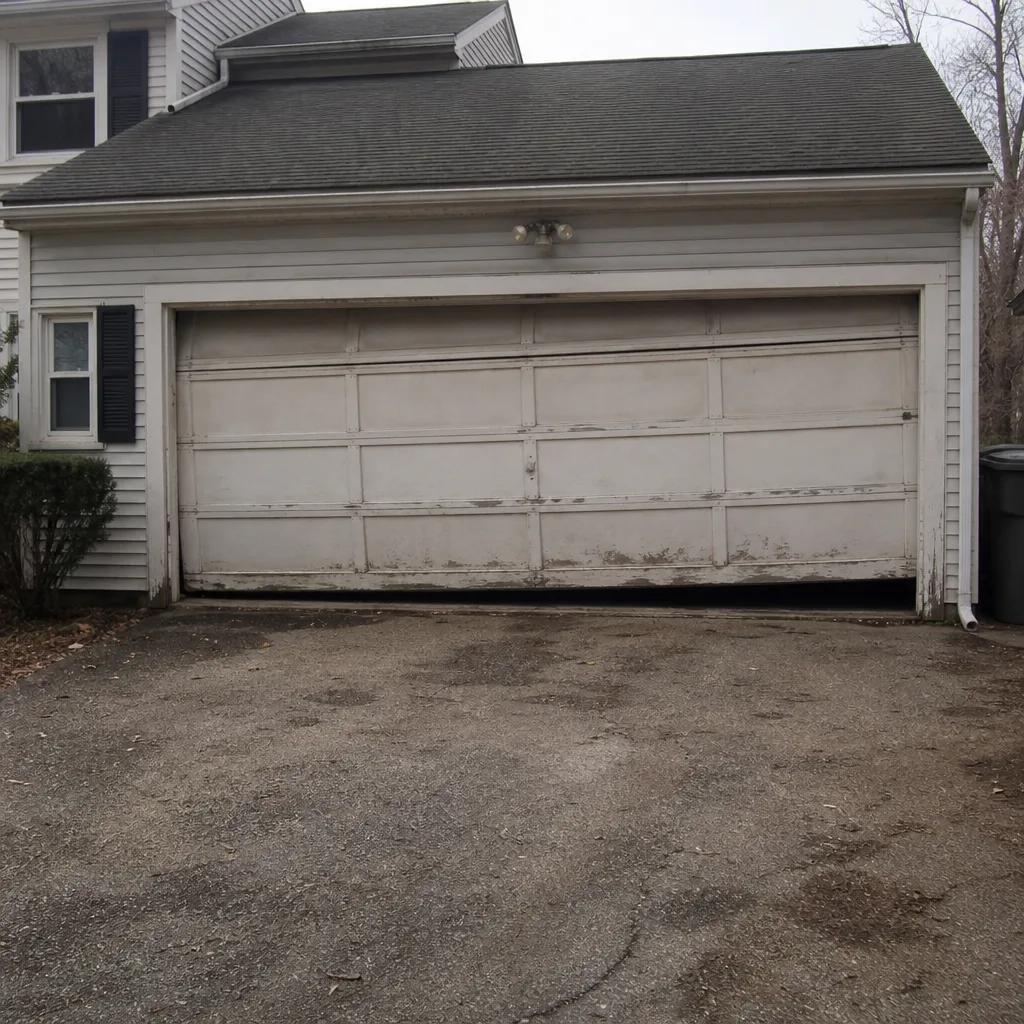 Before
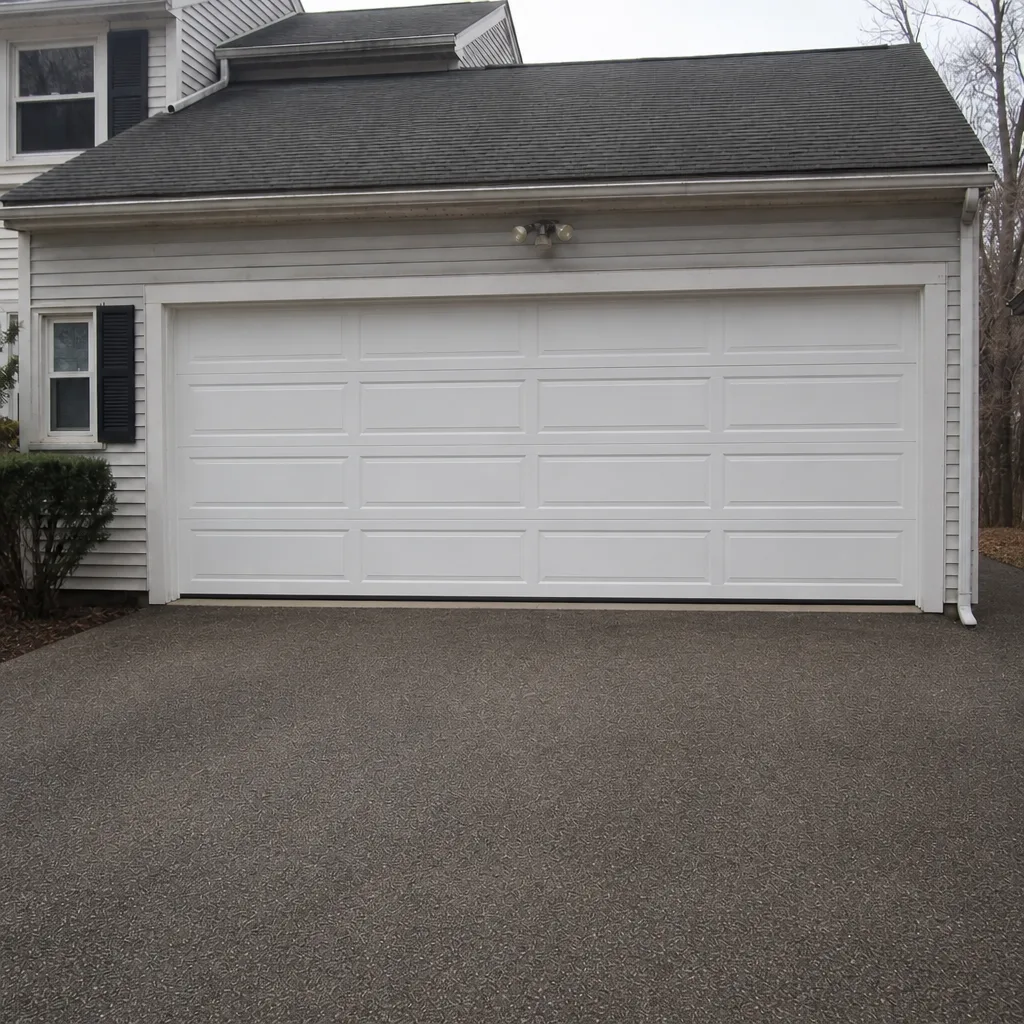 After
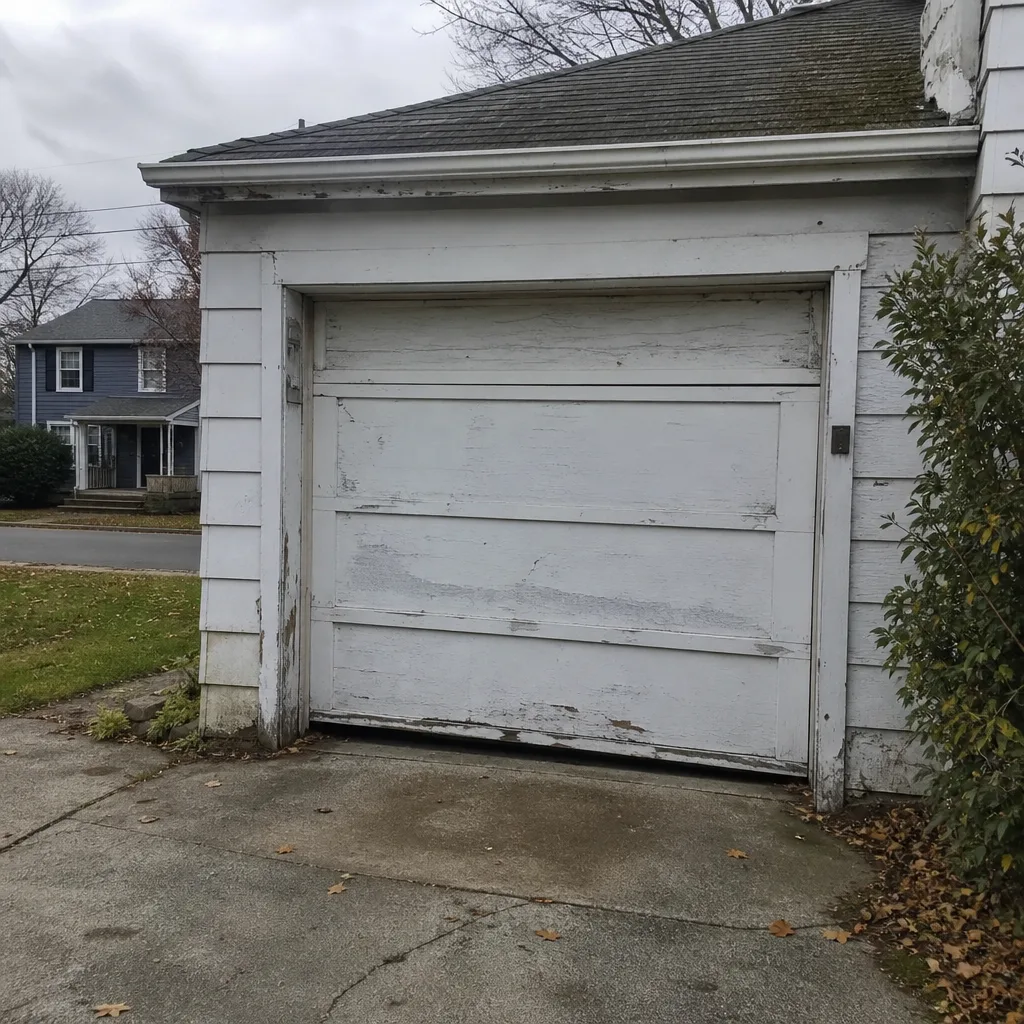 Before
 After
 Before
 After
When to Call a Professional
Call a professional the moment a job involves a torsion spring, a cable, track realignment, or the electrical side of an opener. Those are the four categories where a homeowner’s safety is at genuine risk, and no amount of confidence changes the physics. Also call if the door has come off its track, if you hear a snap or bang, if the door feels unusually heavy, or if an opener failure has trapped your car or left your home unsecured – that’s an emergency. Routine work like lubrication, weatherstripping, sensor alignment, and keypad programming stays in your hands.
Stamford Garage Door Repair Pros offers free estimates in Stamford – call (855) 337-1686 to talk through your situation and get a clear answer on whether it’s a DIY job or one for us. The local pro we connect you with is licensed and insured as the state requires, and every price is quoted and agreed before any work starts.
Frequently Asked Questions
No. Torsion springs store dangerous rotational energy, and releasing it incorrectly can cause serious injury – it’s the one garage door job trained professionals should always handle. If a spring is broken, stop operating the door and call (855) 337-1686 for a free estimate.
Lubrication, weatherstripping, safety-sensor alignment, keypad and remote programming, and using the manual release are all homeowner-safe because they don’t involve stored spring tension or live wiring. Anything touching springs, cables, track alignment, or opener electrical work should go to a professional.
No. WD-40 is a solvent and water displacer, not a lasting lubricant, and it can dry out and attract grit. Use a purpose-made garage door lubricant on hinges, rollers, and the spring surface instead.
Freeze-thaw cycles stiffen seals and rollers and put more strain on springs and the opener, so a door that ran smoothly in fall can feel heavy or noisy by midwinter. Seasonal lubrication and a healthy bottom seal make a real difference – both are homeowner-safe tasks.
Don’t force it. Pushing a misaligned door back by hand can bend panels and stress the springs, turning a simple fix into a replacement. A track realignment is a professional job; call us for a free estimate.
If it’s a simple sensor or programming issue, a repair makes sense. If the motor, logic board, or gear is failing, replacement is often the better call – and it’s a measured, scheduled job, not a same-day fix, so we quote it in writing first. Call (855) 337-1686 to talk it through.
The Bottom Line
The DIY-versus-professional line isn’t about skill – it’s about risk. Lubrication, weatherstripping, sensor alignment, and keypad programming are genuinely yours to handle. Torsion springs, cables, track realignment, and opener electrical work are professional jobs because the stored energy and electrical hazards make the failure modes dangerous. In Stamford’s older neighborhoods, non-standard parts add another reason to get a diagnosis before buying anything. Do the safe tasks, watch for the warning signs, and call when the job crosses the line. Our technicians have up to 13 years of experience and work on the brand already in your garage.
Call Stamford Garage Door Repair Pros at (855) 337-1686 for a free estimate. Fast dispatch from 7am to 7pm, upfront pricing, and a price quoted and agreed before any work starts. Springs, openers, panels, full doors – one call covers it all, and the local pro is licensed and insured as their state requires.
Written by the team at Stamford Garage Door Repair Pros.