Last updated November 20, 2026
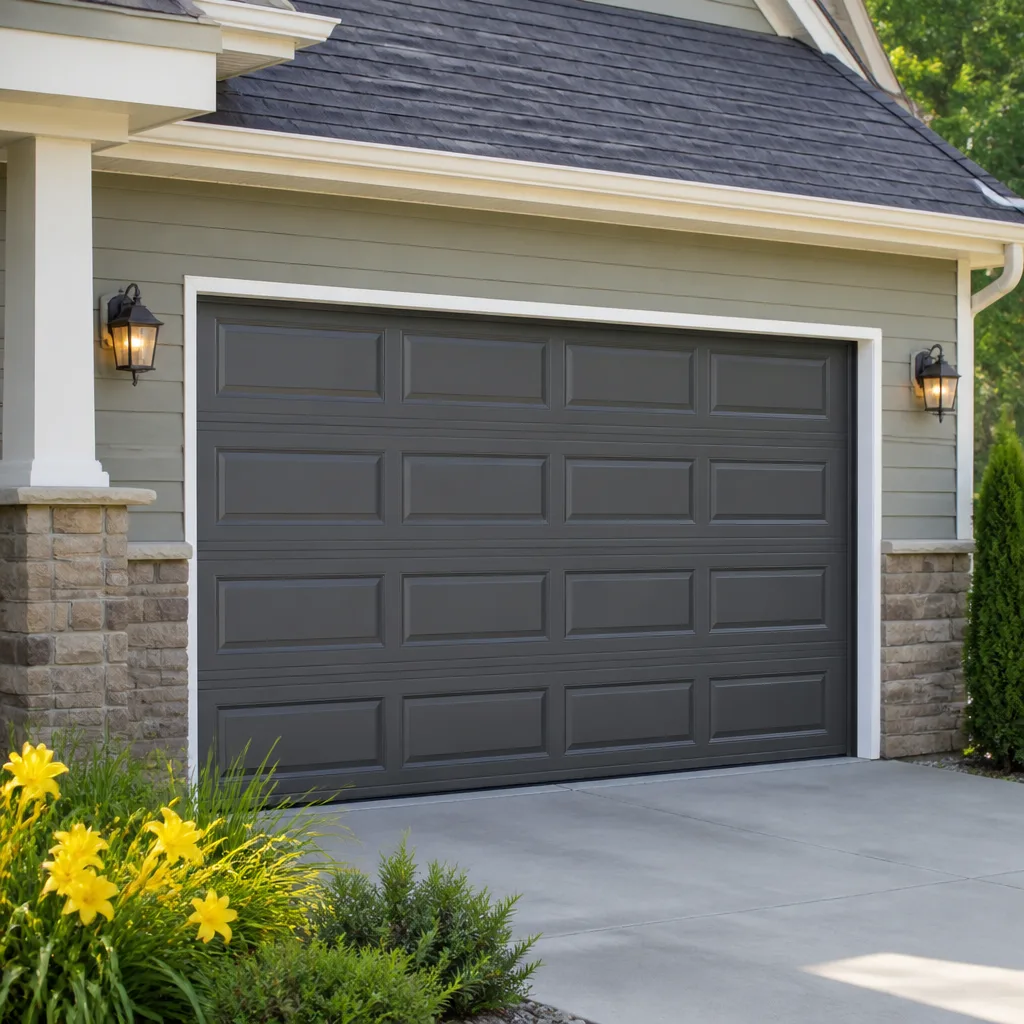 Raised-panel steel
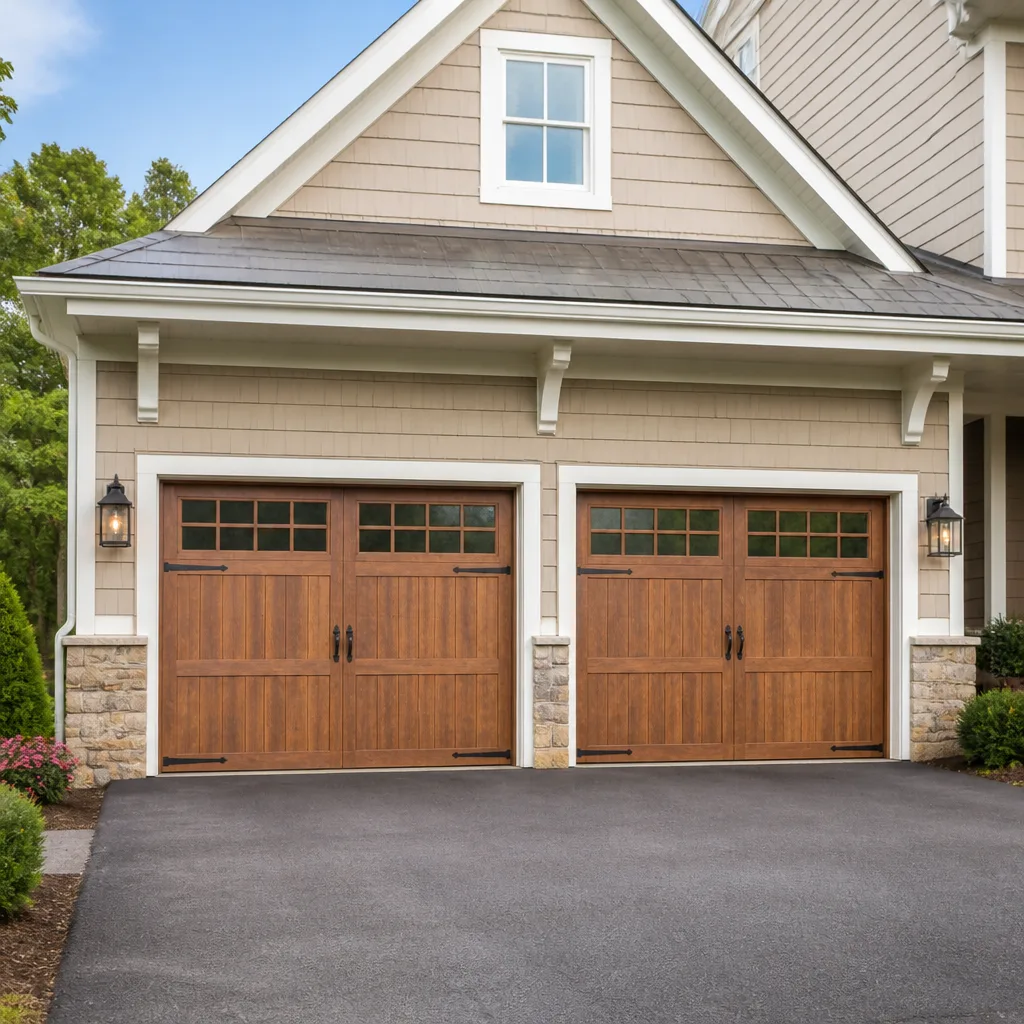 Carriage house
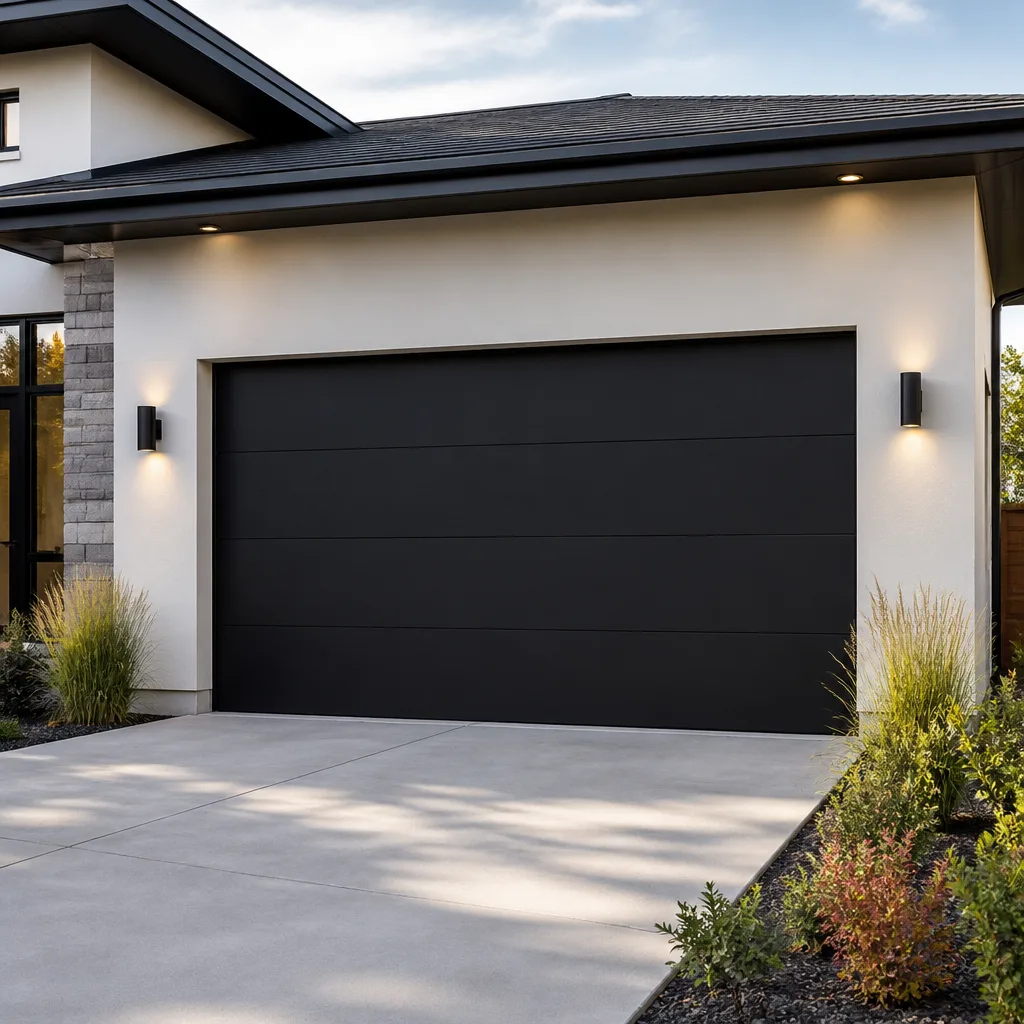 Modern flush
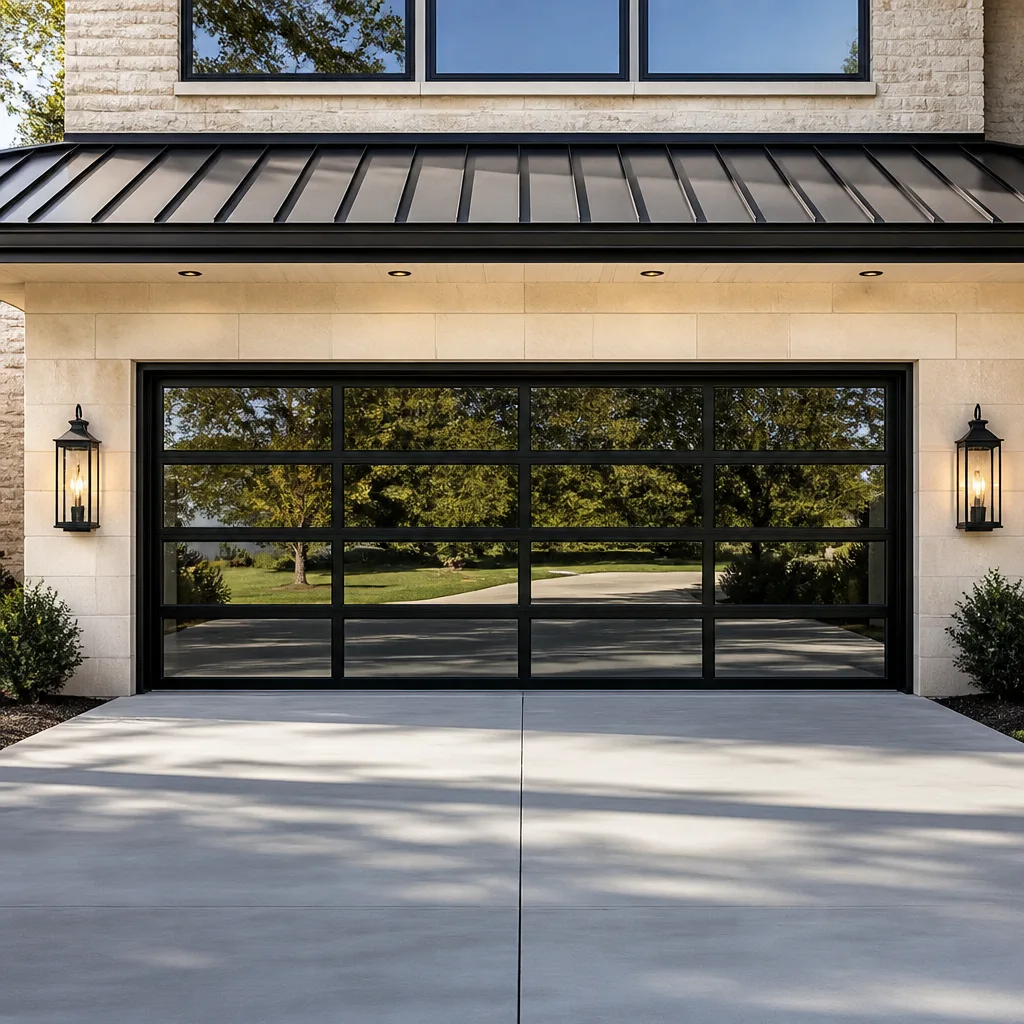 Full-view glass
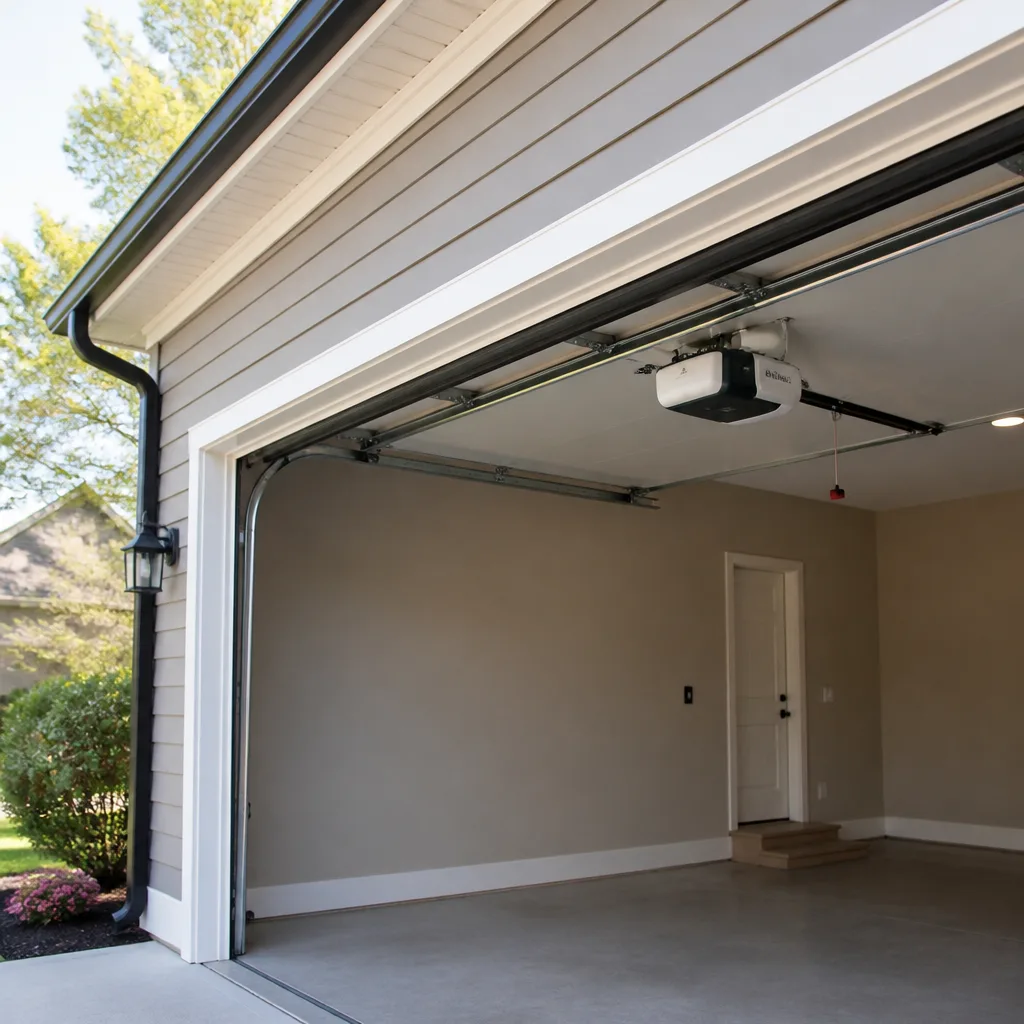 LiftMaster openers
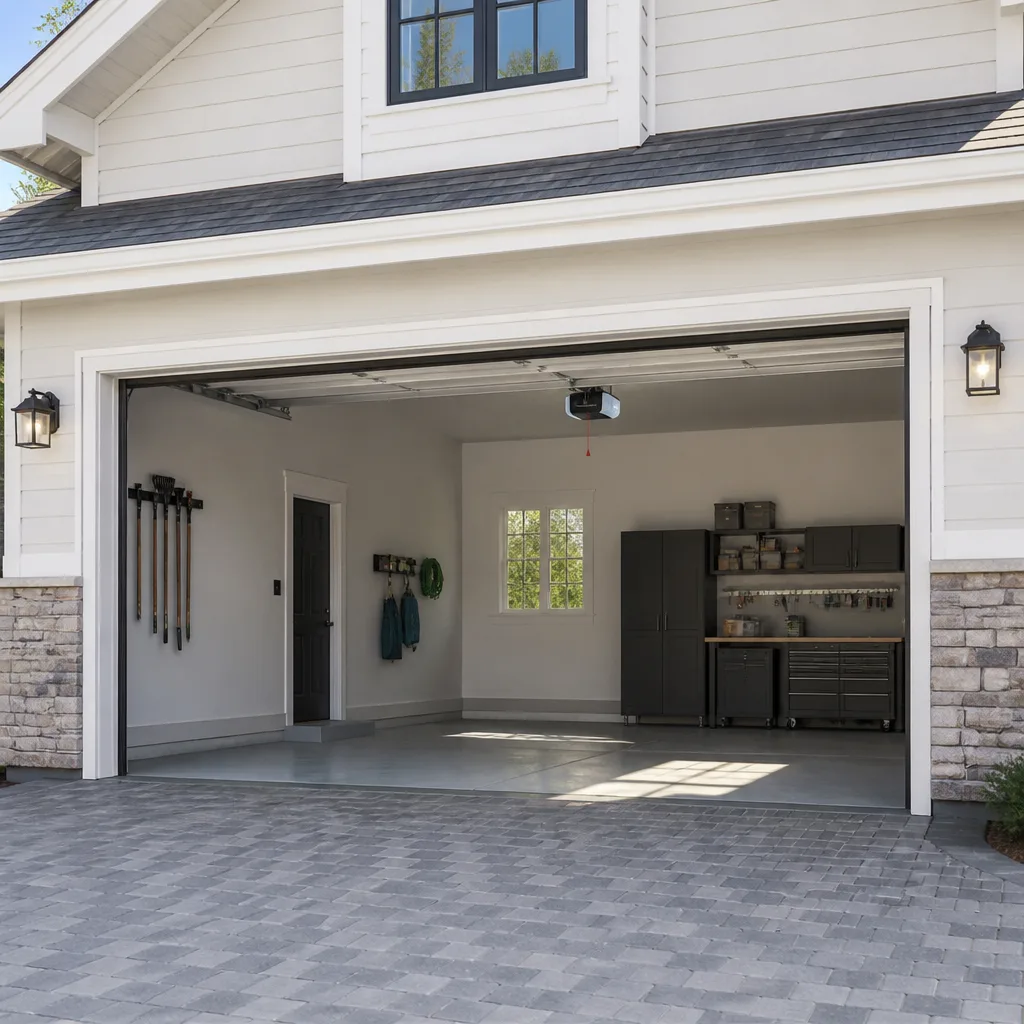 Chamberlain openers
Full 25-point door and opener safety check with every visit - springs, cables, rollers, tracks, and your LiftMaster or Chamberlain opener included
You get a price before we start. It does not change when the pro arrives.
Get your free estimateChoosing the Right Garage Door Brand: A Buyer’s Guide for Stamford
A homeowner can spend $300 more on a premium garage door brand and find it performs almost identically to the mid-range option here in Stamford, while a neighbor goes budget and discovers the steel gauge is too thin to hold insulation value past year three. That gap isn’t about which logo is stamped on the panel. It’s about knowing which specs to compare before you sign: steel thickness, insulation type, finish warranty terms, and whether a local dealer can actually get you a replacement panel for a seven-year-old door. This guide walks through the brands Stamford-area dealers carry, how each performs against Fairfield County’s humidity and hard freeze cycles, and how to match brand and style to the housing stock in your neighborhood.
Quick Answer
The right garage door brand for a Stamford home usually comes down to three things: a steel gauge heavy enough to hold its shape through Connecticut’s freeze-thaw swings, insulation that earns its R-value in a cold winter, and a dealer network close enough to source parts when something fails years down the road. In most cases, a mid-tier brand with strong Fairfield County dealer support beats a premium brand with thin local coverage. Compare specs, not marketing.
Styles & brands we work with
- Raised-panel steel
- Carriage house
- Modern flush
- Full-view glass
- LiftMaster openers
- Chamberlain openers
Table of Contents
- How do Clopay, Amarr, Wayne Dalton, and CHI compare for a Stamford home?
- What does “authorized dealer” status actually mean for you?
- What materials and specs hold up to Stamford conditions?
- How do you match brand and style to Stamford neighborhoods?
- How do you pair an opener with your door brand?
- What’s the real lifetime cost of a garage door?
- What do warranty terms actually cover when you need them?
- Common Mistakes to Avoid
How do Clopay, Amarr, Wayne Dalton, and CHI compare for a Stamford home?
These four names cover most of the steel garage doors you’ll see on homes around Stamford, and each sells across a wide price band. Comparing them means looking at four specs: steel gauge, insulation R-value, finish warranty length, and corrosion protection on the hardware. The brand label alone tells you less than the spec sheet does.
Clopay is one of the most widely distributed residential brands in the country, and its product ladder runs from basic uninsulated steel to fully insulated carriage-house styles. Because Clopay is so common, replacement panels and section parts are easier to source than for many smaller brands. Amarr builds a similar range and is known for solid mid-tier insulated doors with competitive warranty terms. Wayne Dalton sells through a dealer network with an emphasis on design flexibility, including wood-composite and specialty panel options. CHI focuses on heavy-gauge steel construction with a reputation for sturdy build quality.
What we’ve seen in our work across Stamford is that the door’s performance depends far more on the specific model line than on the brand name at the top of the catalog. A premium brand’s entry-level door can be thinner and less insulated than a mid-tier brand’s mid-range door at the same price. So the useful question isn’t “which brand is best” – it’s “which model, at my budget, has the specs I need for a Connecticut winter.”
- Steel gauge: Thicker is stronger. Look for 24-gauge or heavier on the door face.
- Insulation: Polyurethane holds more R-value per inch than polystyrene; both beat an uninsulated panel.
- Finish warranty: Distinguishes the good model lines from the entry-level ones within the same brand.
- Parts support: A door is only as good as the panels you can find for it years from now.
When a door has reached the end of its life and repair no longer makes sense, we handle garage door repair and full replacement through the same conversation, so you can compare a fix against a new door rather than guessing.
What does “authorized dealer” status actually mean for you?
Authorized dealer status means the manufacturer has vetted a dealer to sell and support its products, which affects three things that matter to a homeowner: how parts get ordered, who handles a warranty claim, and whether the technician working on your door knows that brand’s specific assembly logic.
Parts availability is the biggest one. If a panel is dented or a section fails, a dealer with a direct manufacturer relationship can order the correct panel in the correct color and profile. A general handyman without that relationship is often stuck improvising or telling you the whole door needs replacing when it doesn’t. For a door that’s several years old, color and panel-profile matching is exactly where dealer support earns its keep.
Warranty claims are the second. Most manufacturers route claims through the dealer who sold and installed the door, and the paperwork is smoother when the dealer knows the brand’s process. That’s part of why we work across the major lines – LiftMaster, Chamberlain, Genie, Clopay, Amarr, Wayne Dalton, Craftsman, and Raynor – so we can diagnose and support by brand rather than treating every door the same way. Diagnosing by brand, not by guesswork, is the difference between a fix that lasts and a callback.
The third is technical familiarity. Brands design their torsion systems, track profiles, and hardware differently, and a technician who works on a specific line regularly knows its quirks. Our technicians have up to 13 years of experience, and that experience is brand-specific, not generic.
What materials and specs hold up to Stamford conditions?
Stamford’s climate is the deciding factor in most garage door purchases here. The region gets muggy summers and hard winter freeze cycles, and a garage door goes through thousands of open-close cycles while dealing with temperature swings that make steel expand and contract. The specs that matter most for that environment are steel gauge, insulation type, and corrosion protection.
Steel gauge is measured in reverse – a lower number means thicker steel. 24-gauge steel outperforms 25-gauge because the heavier face resists the dents and dimples that come from daily use and from the freeze-thaw cycle stressing the panels. Thicker steel also holds its shape around the insulation, which is what keeps the R-value honest over time. Thin steel panels can warp just enough to let heat leak at the seams.
Insulation matters in two ways. Polyurethane foam insulation delivers higher R-value per inch than polystyrene, which means a thinner door can be just as thermally effective, and polyurethane holds its structure better when it’s bonded to a heavy steel face. Polystyrene is cheaper and lighter, fine for a detached or unconditioned garage. For an attached garage in Stamford where you spend time or where cold air bleeds into the house, polyurethane is usually the better call.
When wood is on the table, wood composite makes more sense than real wood in this climate. Real wood needs routine painting and can take on moisture at the joints, while a steel door with a wood-composite overlay delivers the carriage-house look with far less upkeep. If you want the look without the maintenance, composite is a practical middle path.
Specs that matter in a Stamford winter
- Steel gauge: 24-gauge or heavier for a door face that resists dents and warping.
- Insulation: Polyurethane for an attached garage; polystyrene for a detached one is a reasonable budget choice.
- Corrosion protection: Galvanized steel with a factory finish protects better than bare or primed-only steel.
- Bottom seal: A good weather seal keeps snowmelt and drafts out of the garage.
- Hardware: Galvanized or coated hinges and rollers resist rust better than untreated hardware.
How do you match brand and style to Stamford neighborhoods?
Brand and style choice usually reads differently depending on where in Stamford the home sits. A carriage-house overlay with decorative hardware looks right on the larger colonials up in North Stamford, where the door is a visible part of the facade and the house has the space and architectural detail to carry the look. A flush steel panel often reads cleaner on a 1960s ranch in Glenbrook, where the low roofline and simple lines don’t need a decorative overlay competing with them.
That’s not a rule so much as a starting point. The decision comes down to the home’s architecture, the door’s visibility from the street, and how much the owner wants the door to feel like a design feature versus a clean, quiet surface. For homes closer to the downtown and Shippan areas, where lots are tighter and the door is seen at closer range, panel texture and finish quality show up more, which is another reason the 24-gauge versus 25-gauge difference matters.
Most of the brands on the list offer enough styles to cover either direction. Clopay and Amarr both run carriage-house and flush-panel lines. Wayne Dalton’s design flexibility is useful when someone wants a specific look, and CHI’s heavy-gauge steel holds up well on larger single-panel styles. Style isn’t a brand decision first; it’s a house decision, and the brand should be flexible enough to meet it.
How do you pair an opener with your door brand?
The opener and the door are a system, and pairing them well means matching the opener’s power and features to the door’s weight and insulation. A heavier insulated door needs an opener with enough lifting capacity, and a door with a lot of insulation or a carriage-house overlay may weigh more than a basic steel panel of the same width.
On the opener side, the dominant brands in Stamford are LiftMaster, Chamberlain, Genie, and Craftsman, and each has its own logic. LiftMaster and Chamberlain share a lot of technology, including the myQ smart-home platform, and are the most common in newer homes. Genie’s Aladdin platform is Genie’s smart-home approach and has its own app and connectivity. Craftsman has a long history in the market and shows up on plenty of older installations. Whatever the opener, a technician who knows that brand’s logic diagnoses the issue faster than someone starting from scratch.
That matters most when an opener is struggling. A door that reverses, doesn’t fully close, or makes noise on the way up may be an opener problem, a door balance problem, or a sign the door’s hardware needs attention. A brand-fluent diagnosis sorts that out quickly. If the opener turns out to be the issue, we handle garage door opener repair and can also replace the unit, including newer smart-home-connected models.
What’s the real lifetime cost of a garage door?
The purchase price is the smallest part of the story. Over 15 to 20 years, the cost that adds up fastest is parts availability – whether a dealer can get you a matching panel or replacement hardware years from now. A door with strong local dealer support and steady parts availability tends to cost less over its life than a premium brand with limited Fairfield County coverage, even if the premium door costs more up front.
Where the money goes over time
- Purchase price: The sticker price, which is the comparison everyone starts with.
- Maintenance: Lubrication and hardware checks are simple; finish upkeep is more involved on wood or wood-look doors.
- Parts and panels: The wildcard, and the reason dealer coverage matters.
- Insulation performance: A poorly insulated door costs more to heat around all winter.
- Replacement timing: A well-specced door can stretch its replacement horizon by several years.
A mid-tier brand with reliable local support often wins this race. It’s not that the premium brand is worse – it’s that if a panel needs replacing in year eight and the local dealer network can’t source it, the owner ends up replacing more of the door than necessary. Our view on this is straightforward: buy the door you can support, not the door with the longest spec sheet.
Closing the garage door cost question
For a sense of what a repair or replacement runs in the current Stamford market, a written estimate is the only reliable number, and we give free estimates before any work starts. If a spring or opener is the near-term issue, it often makes more sense to repair first and make a full replacement decision with a clear head.
What do warranty terms actually cover when you need them?
Warranty terms are where buyers get tripped up, because most manufacturers slice coverage into pieces. Panel finish, hardware, and the door’s structural components each carry their own terms, and the finish warranty is often the shortest. Read the warranty as three separate questions.
- Does the finish warranty cover the failure you’re likely to see? Peeling or fading on a painted steel finish is the most common claim, and the warranty term is usually shorter than the structural warranty. Ask the dealer what the finish warranty is and whether it’s pro-rated.
- Who handles the claim? Claims usually go through the dealer who sold and installed the door. That’s the practical argument for working with a local brand-fluent company rather than the cheapest installer.
- Is labor covered? Manufacturer warranties typically cover parts, not labor. Knowing that up front prevents a surprise when a covered part still carries a service cost.
When it comes to using the warranty, the same local coverage that helps with parts helps here – the dealer relationship is what keeps a claim moving. That support is the reason we’re brand-fluent across eight major lines rather than tied to one.
Common Mistakes to Avoid
- Buying on the logo instead of the spec sheet. Two doors with the same brand name can have different gauges and insulation. Compare the model, not the brand.
- Assuming thinner steel is fine because the door “looks the same.” 25-gauge steel can dent and warp faster than 24-gauge, and it doesn’t hold insulation performance as well over time.
- Skipping the finish warranty question. It’s usually the shortest warranty term. Ask about it before you sign, and ask whether it’s pro-rated.
- Choosing a premium brand with thin local dealer support. If the nearest dealer can’t source a matching panel in year eight, the door’s cost climbs.
- Packing decorative overlays onto a simple ranch home. A carriage-house overlay can look right on a large North Stamford colonial but busy on a Glenbrook ranch.
- Ignoring the opener when choosing a door. A heavier insulated door may need a stronger opener, so plan them together.
- Letting an untrained person handle a spring. Garage door springs are under extreme tension and can cause serious injury. That’s a job for a trained technician.
See the difference
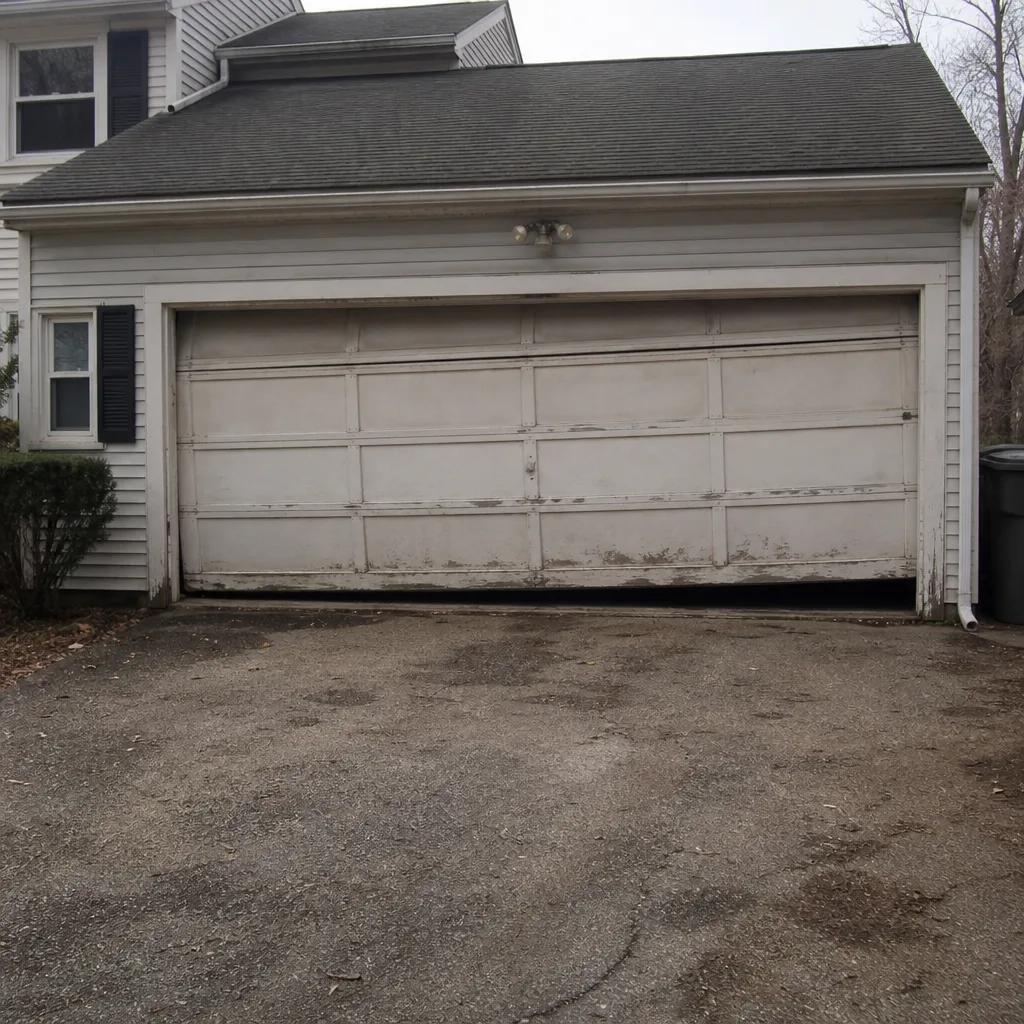 Before
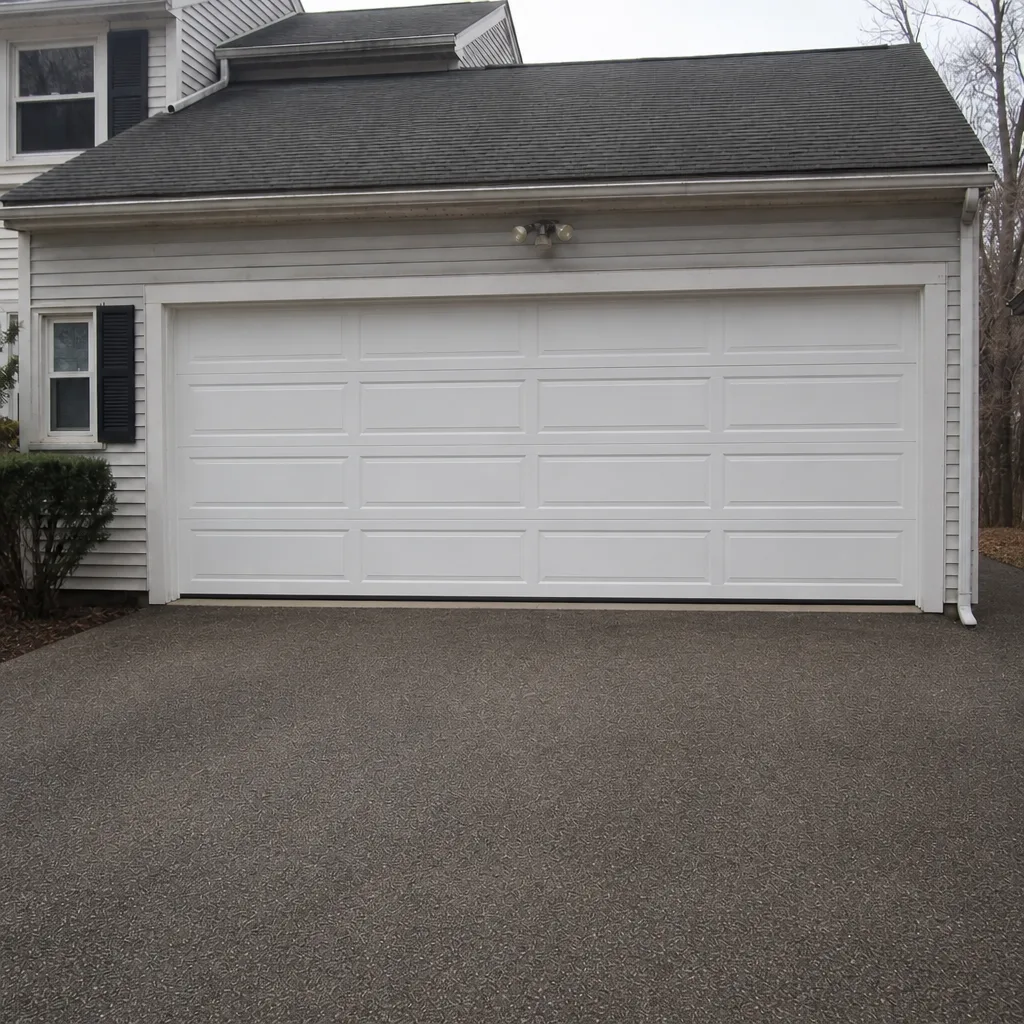 After
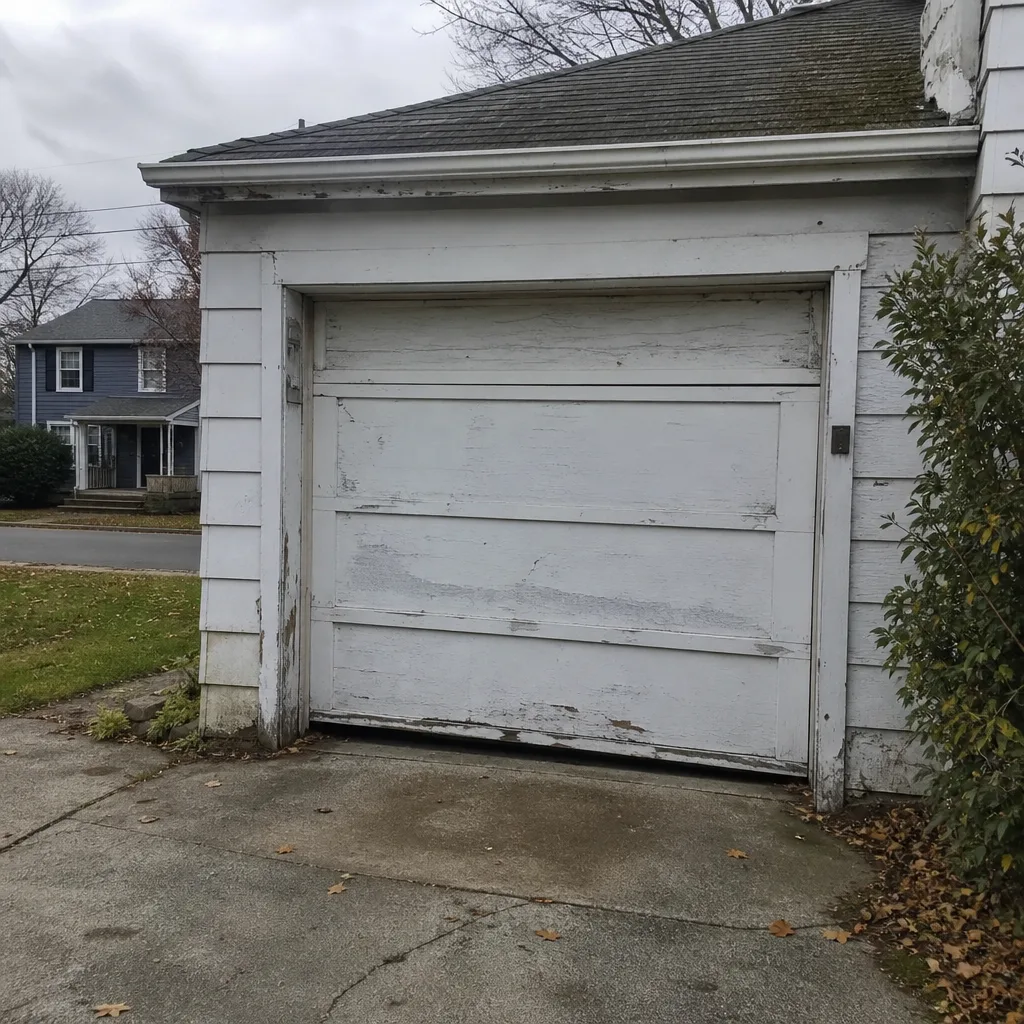 Before
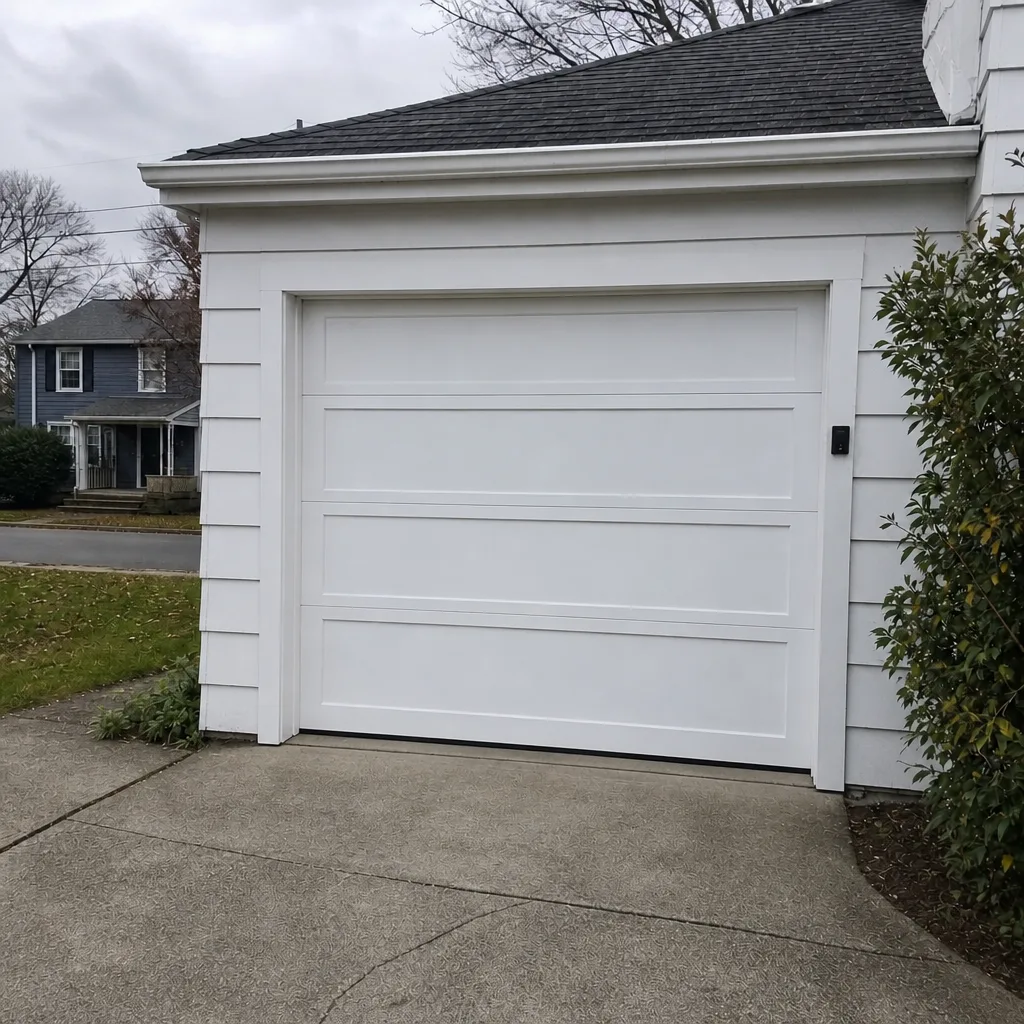 After
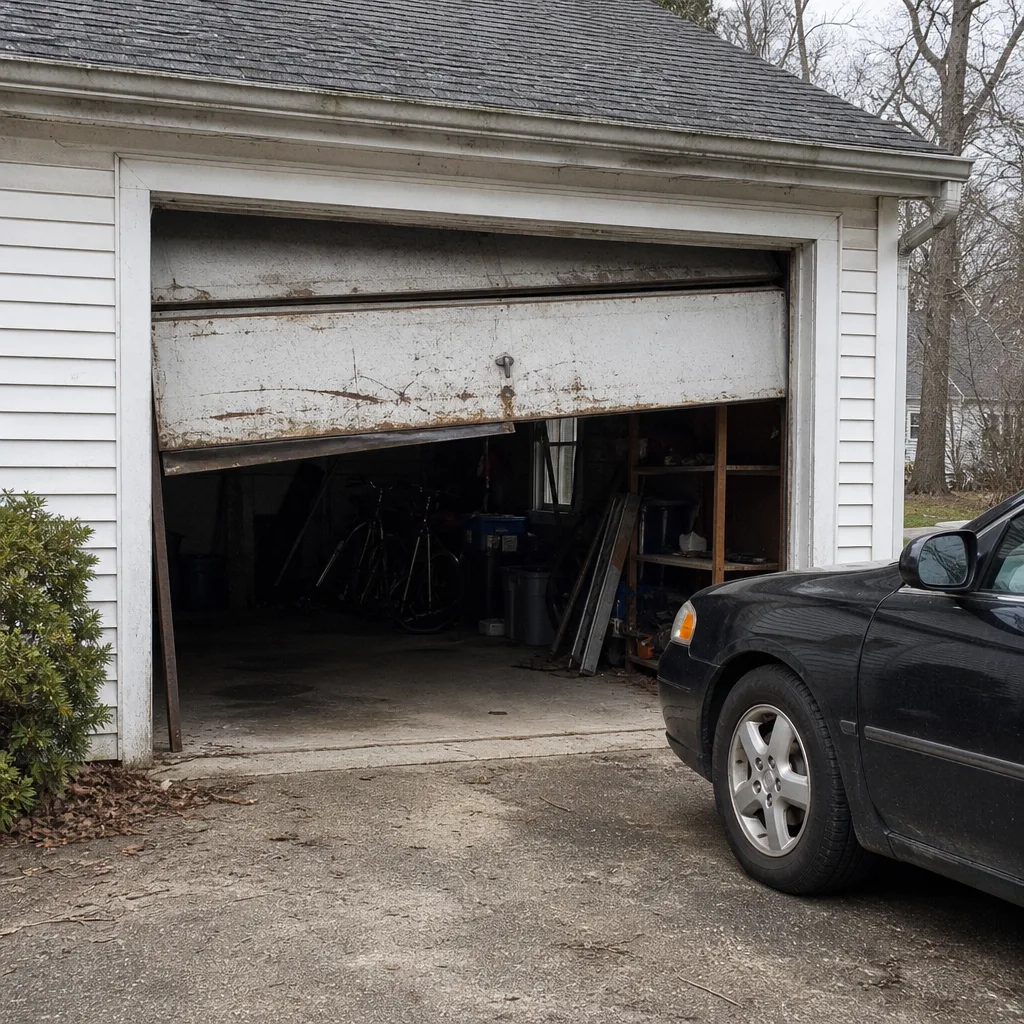 Before
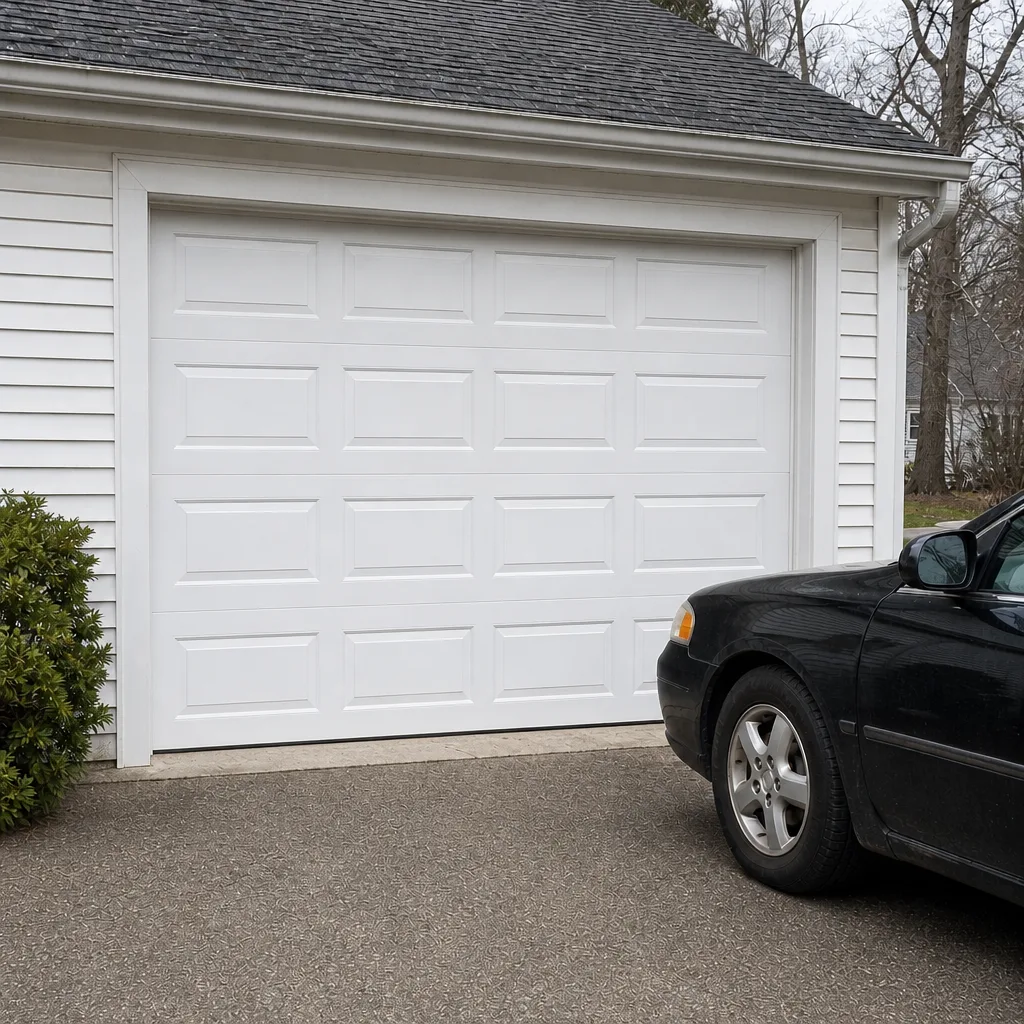 After
When to Call a Professional
Some jobs are worth doing yourself, but a garage door usually isn’t one of them once you get past a squeaky roller or a loose bolt. Call a professional if the door has a snapped spring, moves unevenly, reverses before closing, or makes a sound you don’t recognize. Springs and cables are under extreme tension, and even an experienced homeowner shouldn’t be trying to release or replace them. If the door is off its tracks, don’t force it. And if the opener is failing, a technician can tell you fast whether it’s the opener or the door. Stamford Garage Door Repair Pros offers free estimates in Stamford – call (855) 337-1686. We work on the brand already in your garage, and our garage door spring repair covers the highest-tension part of the system.
Frequently Asked Questions
There’s no single best brand – the right choice depends on the model’s steel gauge, insulation type, finish warranty, and local dealer support. Clopay and Amarr are widely available with strong parts support, Wayne Dalton offers design flexibility, and CHI is a strong choice for heavy-gauge steel. The mid-tier model with the best local support usually outperforms the premium brand with thin coverage. Call (855) 337-1686 for a free estimate on your door.
Yes. Twenty-four-gauge steel holds up better than 25-gauge through the region’s freeze-thaw swings, which stress a door’s panels and seams. Thicker steel resists dents and warping, so the door keeps its shape and insulation value over time. Call (855) 337-1686 for a free estimate.
A well-specced steel door with regular maintenance commonly lasts 15 to 20 years or more, and the climate is a real factor. Freeze-thaw cycles, winter snow load, and summer humidity all work on the door every year, so steel gauge and finish quality matter more here than they would in a mild climate. Call (855) 337-1686 for a free estimate.
Yes, usually, if the model is still in production and the dealer has a direct manufacturer relationship. That’s the practical value of authorized dealer status – a dealer can order a matching panel or hardware where a general contractor can’t. If the panel can’t be matched, we’ll tell you that plainly and walk through the options. Call (855) 337-1686 for a free estimate.
Polyurethane foam delivers a higher R-value per inch and holds its structure better, which makes it the better choice for an attached garage you want to keep warmer. Polystyrene is cheaper and fine for a detached or unconditioned garage where thermal performance matters less. Call (855) 337-1686 for a free estimate on your options.
Yes. We’re brand-fluent across LiftMaster, Chamberlain, Genie, Clopay, Amarr, Wayne Dalton, Craftsman, and Raynor, so the comparison is honest. If a different model line in the same budget makes more sense for your home and climate, we’ll say so, and we’ll put the recommendation in writing before any work begins. Call (855) 337-1686 for a free estimate.
The Bottom Line
Choosing a garage door brand in Stamford is a spec decision hiding inside a style decision. Steel gauge, insulation type, finish warranty, and local dealer support matter more than the logo. A mid-tier brand with strong Fairfield County coverage will usually beat a premium brand that can’t source a panel when you need one. Match the style to your house and neighborhood, pair the door with an opener that fits its weight, and read the warranty as separate terms for finish, hardware, and structure. When the door needs attention, get a written estimate before work starts.
Whether you’re replacing a door or repairing one, our team is ready to help. Call (855) 337-1686 for a free estimate and we’ll walk through the options with you. For more on what we do across the region, see Stamford Garage Door Repair Pros.
Written by the team at Stamford Garage Door Repair Pros.