Last updated November 20, 2026
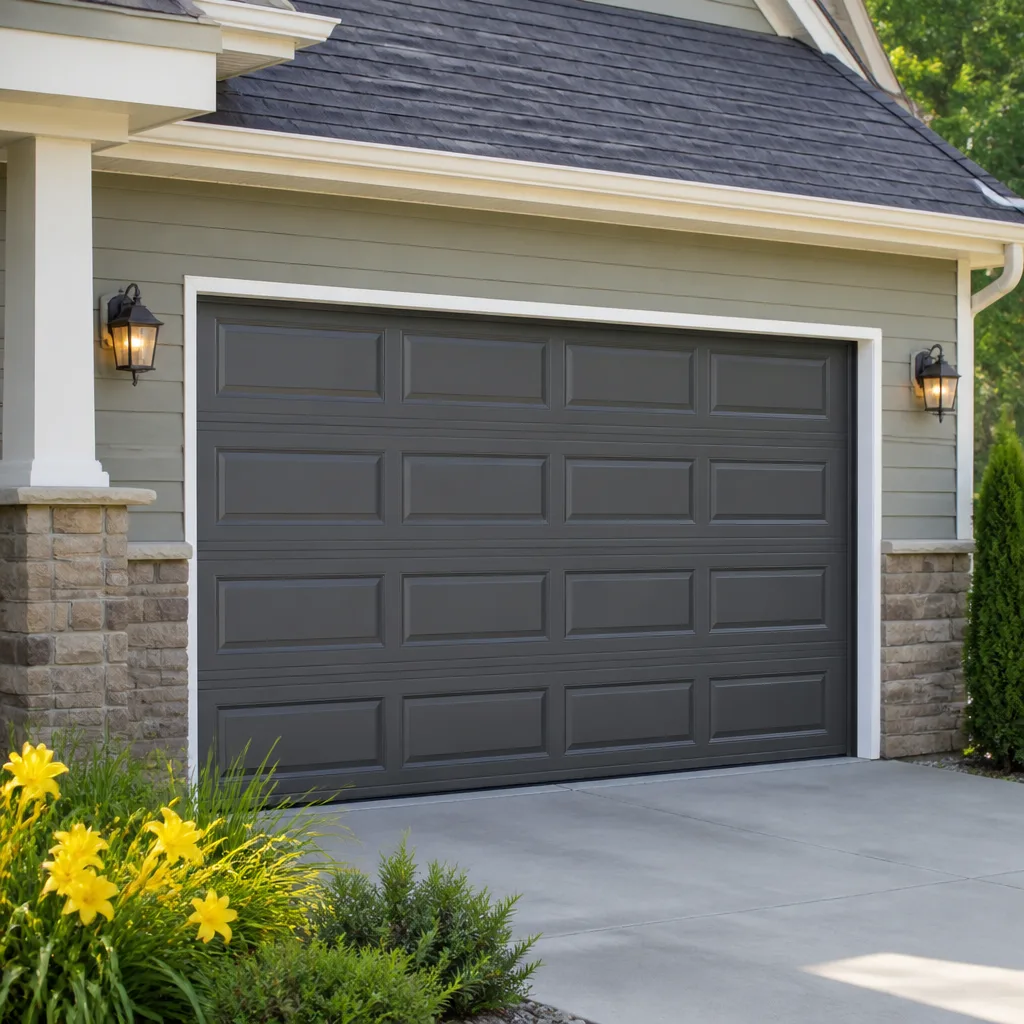 Raised-panel steel
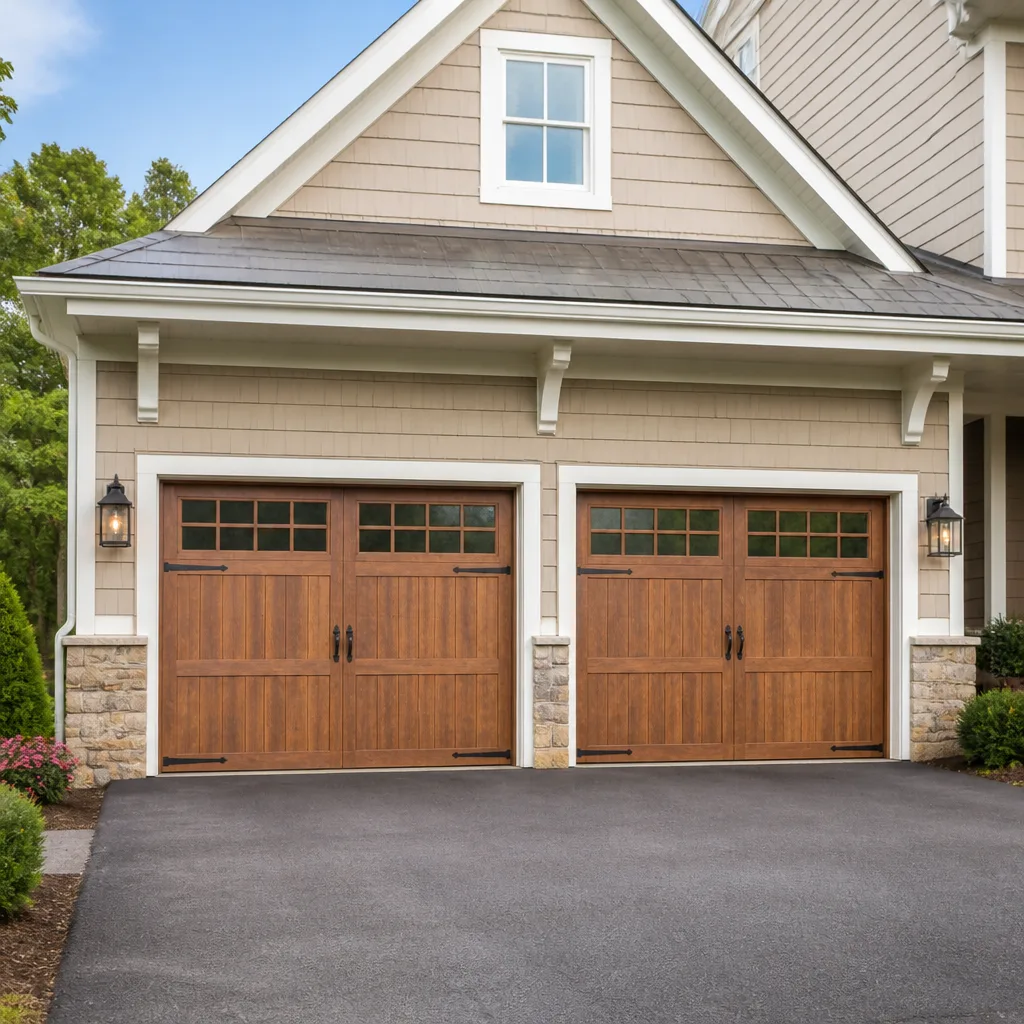 Carriage house
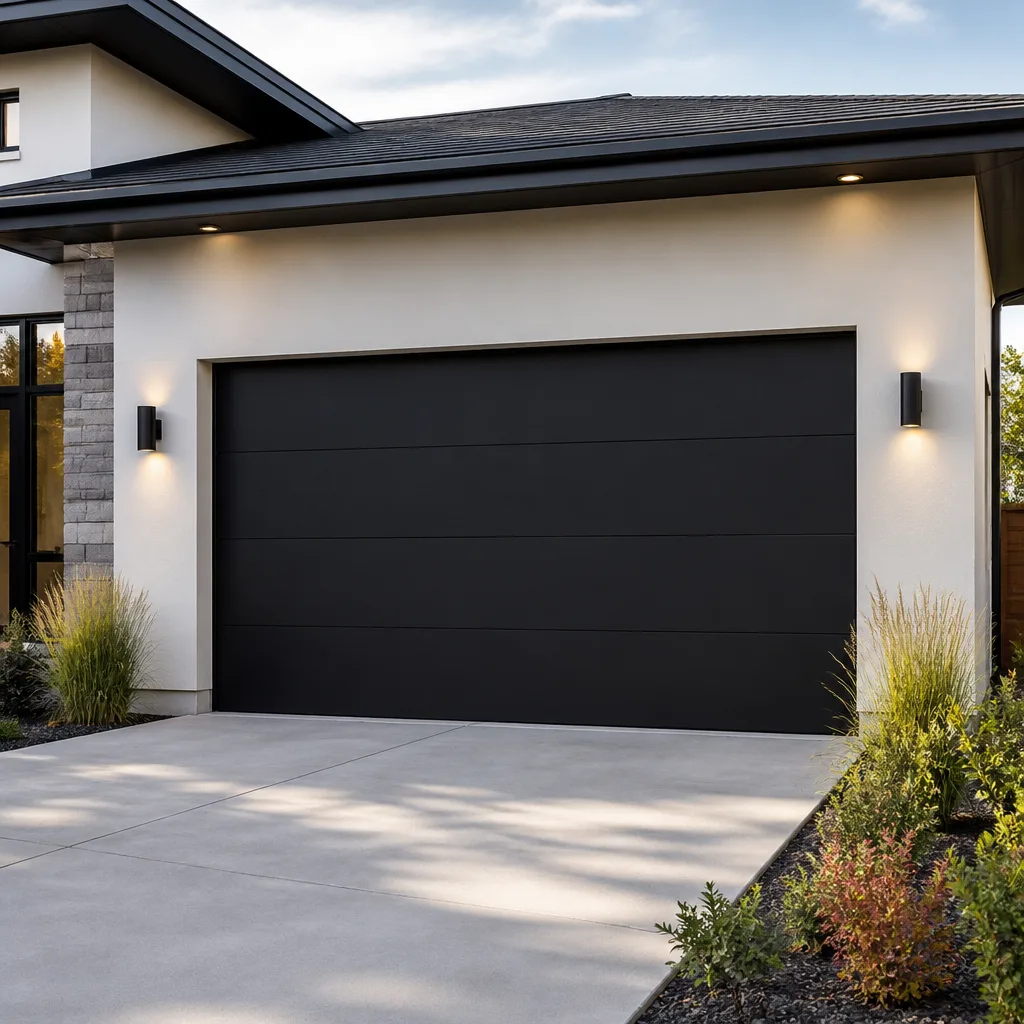 Modern flush
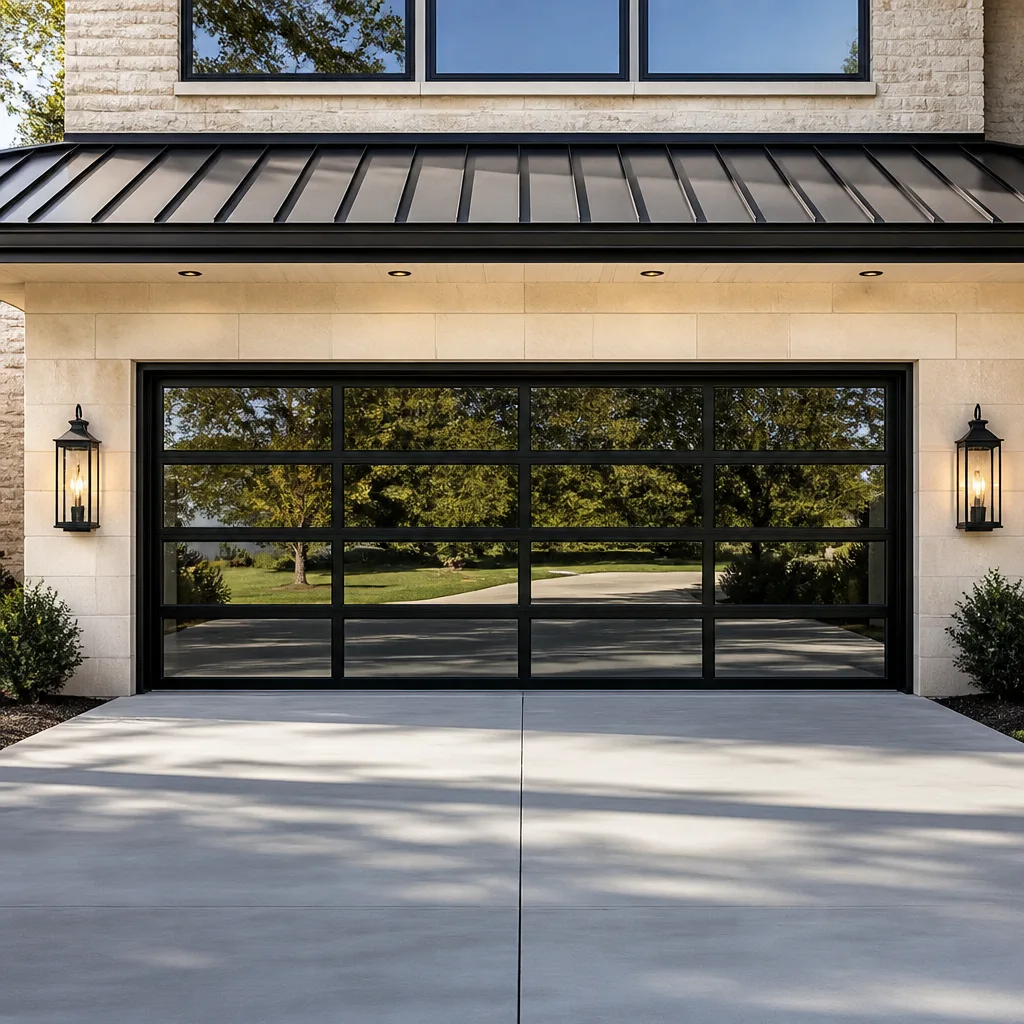 Full-view glass
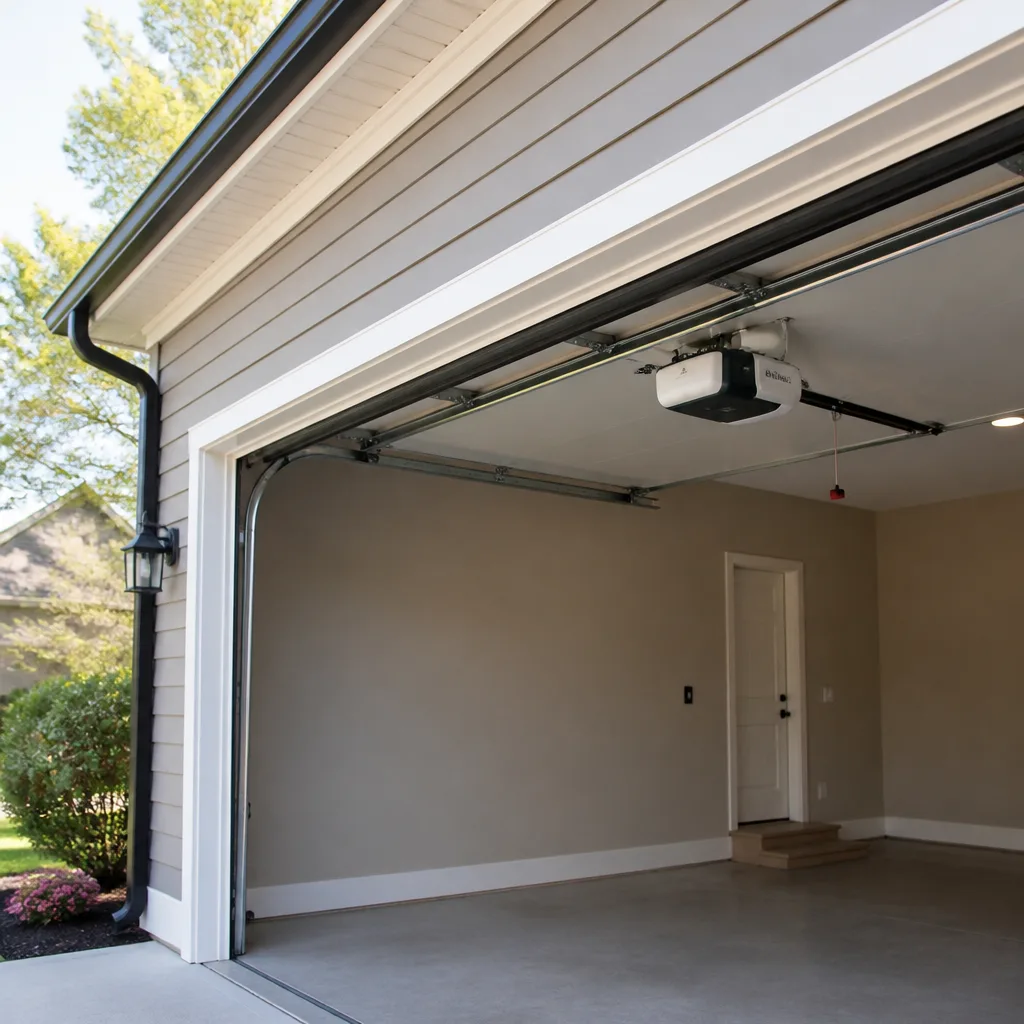 LiftMaster openers
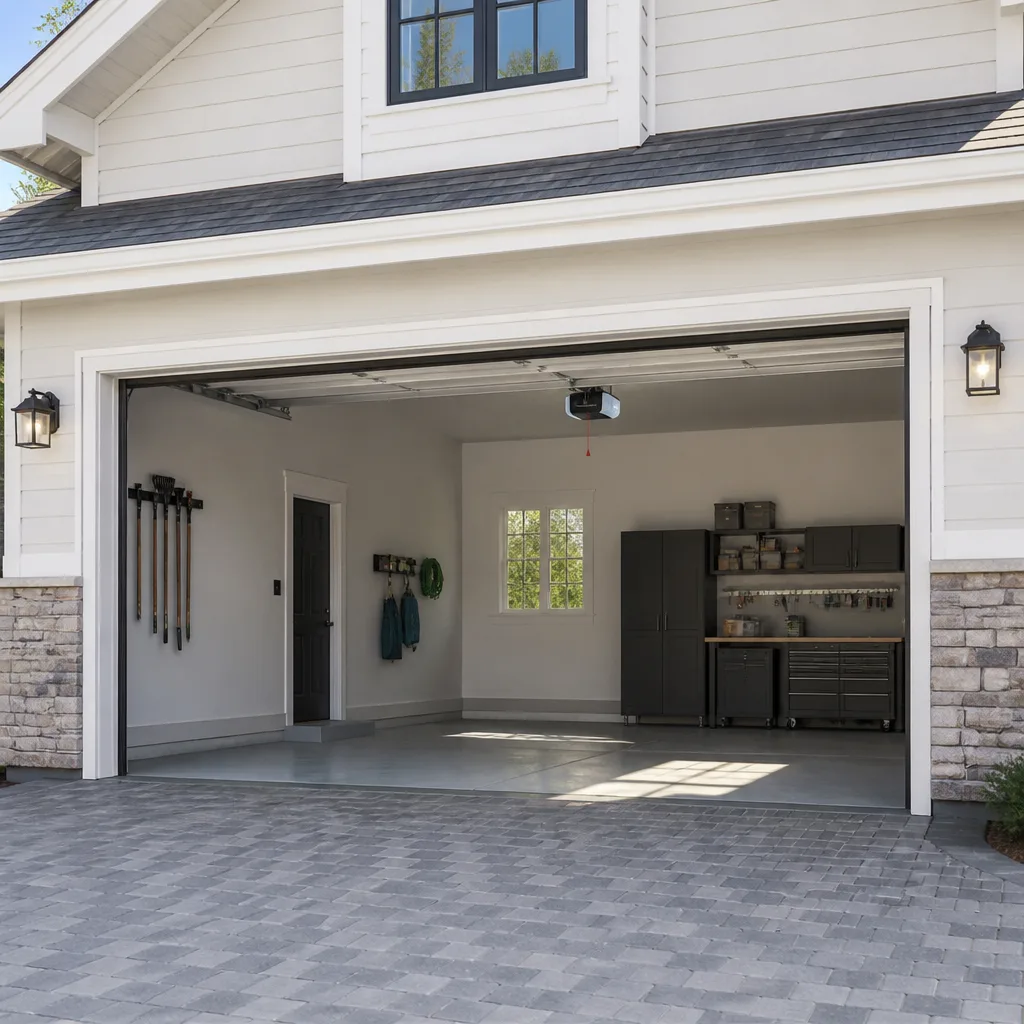 Chamberlain openers
Full 25-point door and opener safety check with every visit - springs, cables, rollers, tracks, and your LiftMaster or Chamberlain opener included
You get a price before we start. It does not change when the pro arrives.
Get your free estimateGarage Door Permits, Codes & Inspections in Stamford, CT: What You Need to Know
Most Stamford homeowners replacing a garage door assume the job needs no permit at all. For a straight like-for-like swap, they’re usually right – same size, same opening, same track layout, and the city treats it as ordinary maintenance. But the rules shift the moment something about the structure or the opening changes, and that’s where people get caught. An unpermitted installation can surface years later during a home sale or an insurance claim and turn a one-form errand into a paperwork crawl. This guide walks through when a permit is required in Stamford, how the code and zoning pieces fit together for attached versus detached garages, what an inspection actually looks at, and how new construction and ADU additions change the picture.
Quick Answer
In Stamford, CT, a straight same-size garage door replacement on an existing garage is usually treated as maintenance and does not require a building permit. A permit is generally required when you change the dimensions or header of the opening, install a door on a new structure, add an opener to new construction, or build a detached garage or ADU with a garage door. When in doubt, call Stamford’s building department before work starts – the answer is free and the form is short.
Styles & brands we work with
- Raised-panel steel
- Carriage house
- Modern flush
- Full-view glass
- LiftMaster openers
- Chamberlain openers
Table of Contents
- When does a garage door replacement need a permit in Stamford?
- Attached vs. detached garages: how the state code and Stamford zoning interact
- The permit process in Stamford, step by step
- What an inspection actually checks
- How an unpermitted installation can affect your insurance
- New construction and Stamford ADU additions
- How to vet the contractor doing the work
- Common mistakes to avoid
When Does a Garage Door Replacement Need a Permit in Stamford?
A permit is usually triggered when the work changes the structure or the opening, not when it simply replaces a door of the same size. That’s the short version. The longer version is that the line between maintenance and construction is drawn by what you’re actually altering.
Think of it this way: if the new door goes into the exact same rough opening, uses the same track and spring system, and doesn’t touch the framing, header, or electrical, most jurisdictions – Stamford included – treat it as a swap. You’re replacing a component, the same way you’d replace a worn hinge or a broken spring. No structural change, no permit.
The threshold moves when any of these are true:
- The opening gets wider or taller. Cutting into the header or reframing the rough opening is structural work and needs a permit and probably an engineer’s input.
- A door is installed on a brand-new structure. Any new garage – attached, detached, or part of an addition – needs permits for the whole build, and the door is part of that scope.
- You’re adding an opener to a new structure. A new circuit and a new motor on a structure that’s being built under permit are part of the electrical scope.
- The garage is being converted, or a new garage door is going onto an accessory structure. Changes in use and new accessory buildings trigger plan review.
- The door is fire-rated and being replaced with a non-rated unit on an attached garage. That’s a code question and worth a conversation with the building department before you buy the door.
For the vast majority of Stamford calls we handle – a spring snapped, an opener failed, a door reached the end of its life – the work is repair or like-for-like replacement and stays in the maintenance lane. But we tell every homeowner the same thing: if anything about the opening is changing, confirm the permit status with the city before we order the door. It’s a five-minute call and it saves months of headaches.
If you’re weighing repair against replacement, our guide to garage door repair covers what’s worth fixing and what isn’t.
Attached vs. Detached Garages: How the State Code and Stamford Zoning Interact
The Connecticut State Building Code treats an attached garage differently from a detached one, and that difference matters most for the door between the garage and the house – not the big overhead door facing the street. The overhead door is the one most homeowners picture, but the fire separation requirement is about the wall and door that connect the garage to the living space.
For an attached garage, the code requires a fire-rated separation between the garage and the house. That separation is typically a rated wall assembly plus a door that closes and latches on its own. That’s why you’ll see a solid-core or rated door on the interior side of many Stamford homes with attached garages. Replacing that door with a hollow unit, or leaving it without a self-closer, is the kind of thing an inspector will flag – and it matters for real fire safety, not just compliance.
For a detached garage, the picture is simpler: there’s no interior separation requirement because there’s no shared wall. The overhead door on a detached garage is still subject to zoning rules on placement, height, and setback, and a new detached garage on a Stamford lot will go through the full plan review process, including a check that the structure meets the zoning table for your zone.
In our experience, the confusion is almost always about which door a homeowner is being told needs to be fire-rated. Both doors can matter, but for different reasons:
- The overhead door faces the driveway. It’s rarely the one the code is concerned about for fire separation on an attached garage.
- The house-to-garage door is the one that carries the fire rating, and it’s the one to check carefully if you’re replacing it.
Stamford’s zoning regulations also weigh in on height, lot coverage, and how close a detached garage can sit to a property line. Those rules vary by zone, and they’re the reason a new garage build often takes longer in plan review than a homeowner expects. Ask your city’s building department which zoning district you’re in and what the setbacks are before you commit to a footprint.
The Permit Process in Stamford, Step by Step
The Stamford building department handles garage construction permits, and any change that touches structure, framing, electrical, or a new structure will run through that office. For a simple like-for-like door swap, there’s usually nothing to file. For anything beyond that, the steps are fairly consistent.
- Call the building department first. Describe exactly what you’re doing – size of opening, attached or detached, opener being added or not, any framing changes. The clerk on the phone can tell you in a few minutes whether a permit is required and what the fee will be.
- Gather what the city asks for. For a straight replacement that requires no structural work, it’s often just an application and a fee. For new construction, an ADU, or an opening enlargement, you’ll need drawings, a site plan, and possibly a zoning sign-off.
- Submit the application. Stamford runs its permitting through its online portal and counter service. Typical review for a straightforward residential permit runs days to a couple of weeks; new construction and zoning-touching projects run longer.
- Get the permit issued before any work starts. This is the part homeowners most often want to skip because they’re replacing a failed door and need it done. Resist that. Work done before the permit is issued can complicate the inspection later.
- Schedule the inspection when the work is substantially complete. The inspector looks at what the permit covers – structural, electrical, or both – and signs off.
If you’re replacing a failed spring rather than pursuing structural changes, the work is repair-only and stays outside the permit conversation. Our team handles garage door spring repair regularly, and the safety stakes on that job are real: torsion springs are under extreme tension and a failed one can cause serious injury if handled without the right tools and training.
What an Inspection Actually Checks
An inspection isn’t a general quality review of your garage door. It’s a compliance check against the specific scope of the permit. What the inspector looks at depends on what the permit covers.
For a new garage or a structural change, expect the inspector to look at:
- Framing and header sizing around the opening, confirming it matches the approved drawings.
- Attachments and fastening – how the track and spring hardware are anchored to the structure.
- Fire separation on attached garages, if the permit covers the wall or door assembly between garage and house.
- Electrical work on openers – a new circuit, a new outlet, and a proper disconnect, all done to code.
- Safety features on the door and opener, including a working photo-eye setup and, where required, a reversing function.
- Structural support for the door system, particularly where a new opener is hung from the ceiling of a structure being built under permit.
For a like-for-like replacement that required no permit, there’s no inspection. The final word is your own walk-through with the installer. That’s why we test the balance, safety reverse, and photo-eye function before we leave, whether or not the city will be looking at it.
The inspection tends to be brief – the inspector is confirming that the work matches what was approved, not evaluating aesthetics. If the framing is right, the fastening is right, and the electrical is right, it moves quickly.
How an Unpermitted Installation Can Affect Your Insurance
A homeowner’s policy covers the structure, and the garage door is part of the structure. But the policy assumes the structure was built to code. That’s the clause homeowners only notice when a claim is denied or a sale is delayed – and it’s why unpermitted work is a real risk even years later.
Here’s the practical picture. If a garage door was installed without a required permit, and something goes wrong – storm damage, a structural failure, a door that comes off track and damages a car or a wall – the insurer may ask whether the installation was permitted and inspected. If the answer is no, the claim can be contested, delayed, or denied. That’s not a scare tactic; it’s how policies and permit records interact. The insurance company’s job is to pay for covered damage to a compliant structure. An unpermitted installation blurs that line.
The sale side is similar. When a buyer’s inspector or title search identifies unpermitted work, the closing can be held up while a retroactive permit is obtained. Sometimes that’s easy – the work is inspected, signed off, and the file is updated. Sometimes it’s not: the original installer may not be reachable, drawings may not exist, and the current homeowner has to commission a fresh inspection of work they didn’t do.
We can’t speak to your specific policy. What we can say is that the cost of a permit is small compared to the cost of a delayed closing or a disputed claim, and when a permit is required, getting it before the work starts is almost always the easier path.
If a door has failed and you’re deciding whether to repair or replace, our overview at Stamford Garage Door Repair Pros walks through the standard repair and replacement scope.
New Construction and Stamford ADU Additions
Accessory dwelling units are a growing part of the Stamford housing conversation, and garages are often part of the picture – either as the ADU itself, or as a structure that needs its own door and opener. ADU construction almost always requires permits and plan review, and the garage door on that structure is part of the permitted scope.
What inspectors look for on a garage door that’s part of a new ADU or new construction project:
- Door and opener compliance with the code edition Stamford is currently enforcing.
- Electrical for the opener, with a proper disconnect and a code-compliant outlet.
- Structural attachment of the track and spring system to the new framing.
- Fire separation between any garage and habitable space, if the ADU shares a wall with the garage.
- Headroom and clearances, which come down to the door height the design specifies. A low-headroom setup requires different hardware than the drawings may assume.
The design phase is where the door spec gets locked in, and it’s where we see problems before they become expensive. If you’re building an ADU or a new garage in Stamford, get the door spec – model, size, opener type, and headroom requirement – into the drawings early. Wayne Dalton and Clopay both make units that fit a range of low-headroom and standard-headroom setups, and the choice affects the framing and electrical rough-in. Changing that spec after the walls are up costs more than choosing it correctly the first time.
How to Vet the Contractor Doing the Work
Any contractor installing a new garage door on a structure that requires a permit needs to be properly state-licensed and insured, and needs to know how the permitting process works in Stamford. Ask before you sign.
What to confirm:
- State license and insurance. Ask for the credential numbers and verify them with the state, not just the company’s word.
- Permit handling. Will they pull the permit, or will you? For structural work, it’s usually cleaner for the contractor to pull it, since the inspector will want to reach them if there are questions.
- Written scope and price. Every job we quote is priced in writing before the work starts, and the written estimate is the price. The same should be true of any contractor you hire.
- Brand experience. Garage door systems differ by manufacturer – the spring math, opener logic, and track geometry vary between Genie, LiftMaster, Clopay, Amarr, and others. A contractor who knows the brand already in your garage diagnoses by the manufacturer’s spec, not by guesswork.
- Balance and safety test. Confirm they’ll test the door balance and safety reverse function before they leave, and that they’ll give you the maintenance notes for the new system.
Our technicians have up to 13 years of experience, and we’re certified across eight major brands including Genie, Clopay, Amarr, and Wayne Dalton. When we quote a job, we quote it in writing, and the written price is what you pay.
Common Mistakes to Avoid
These are the mistakes we see most often when homeowners are navigating a Stamford garage door project that touches permits or codes.
- Assuming no permit is needed because the door is “the same size.” Same size is a good sign, but check whether the track, spring system, and opener are also staying the same. If the opener is new and there’s a new electrical run, that alone can trigger a permit requirement.
- Ordering the door before confirming the opening dimensions. A door that doesn’t fit the rough opening can’t be returned easily, and enlarging the opening to make it fit is exactly the structural work that needs a permit. Measure twice, order once.
- Pulling the permit after the work is done. A retroactive permit is possible but harder, and some inspectors want to see the work in stages. Permits issued before work starts avoid that entirely.
- Skipping the fire-rated door on an attached garage. Replacing the house-to-garage door with a hollow unit or one without a self-closer is a code issue and a real fire-safety concern. If you’re replacing that door, replace it with a rated unit and confirm the hardware.
- Letting a general handyman install the new door. A garage door is the largest moving part in most homes, and spring systems are dangerous to work on without training. Use a specialist who handles springs, openers, and structure as part of their standard scope.
- Not asking the insurer about coverage after a major change. If you’re adding a new structure or enlarging an existing one, tell your insurer. It’s better to know now than during a claim.
- Waiting until closing to sort out paperwork. If a previous owner’s unpermitted install is going to be an issue, you want to know that during the inspection period, not the week before closing.
See the difference
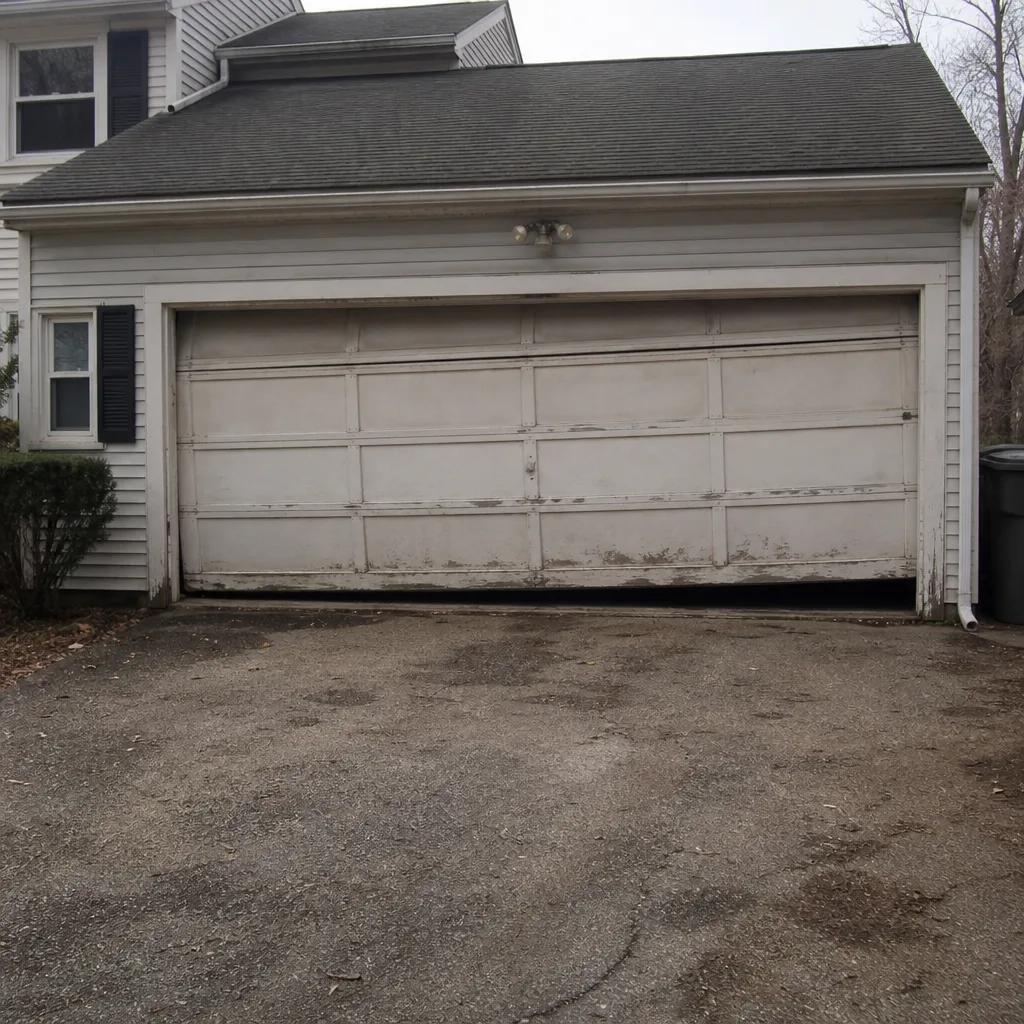 Before
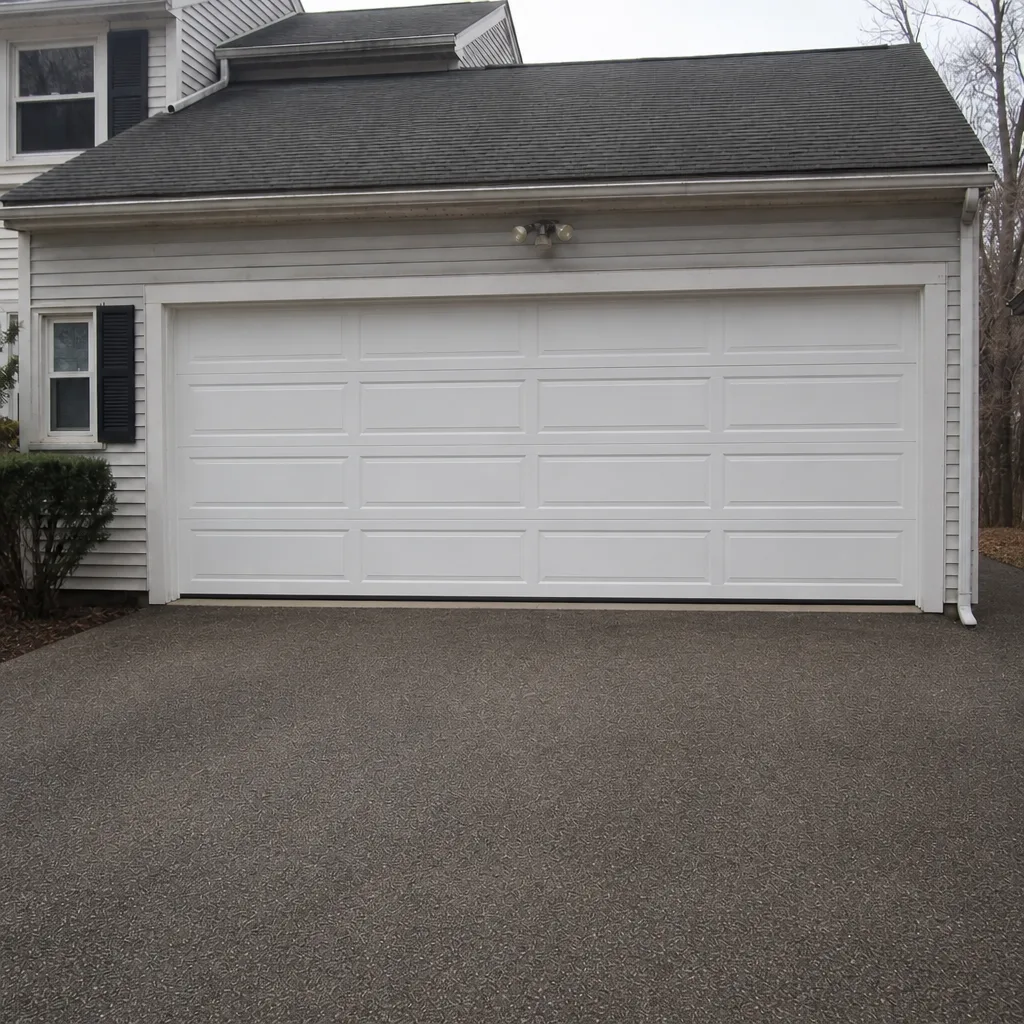 After
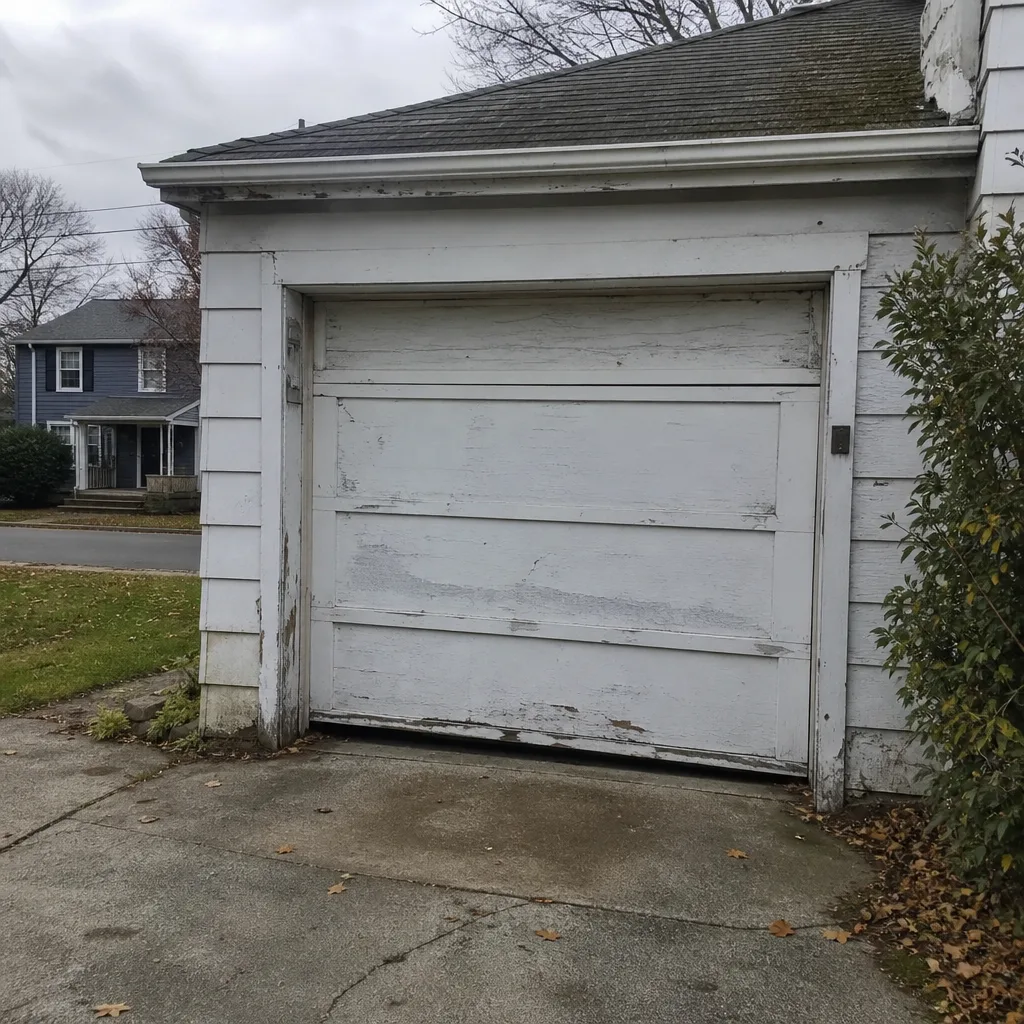 Before
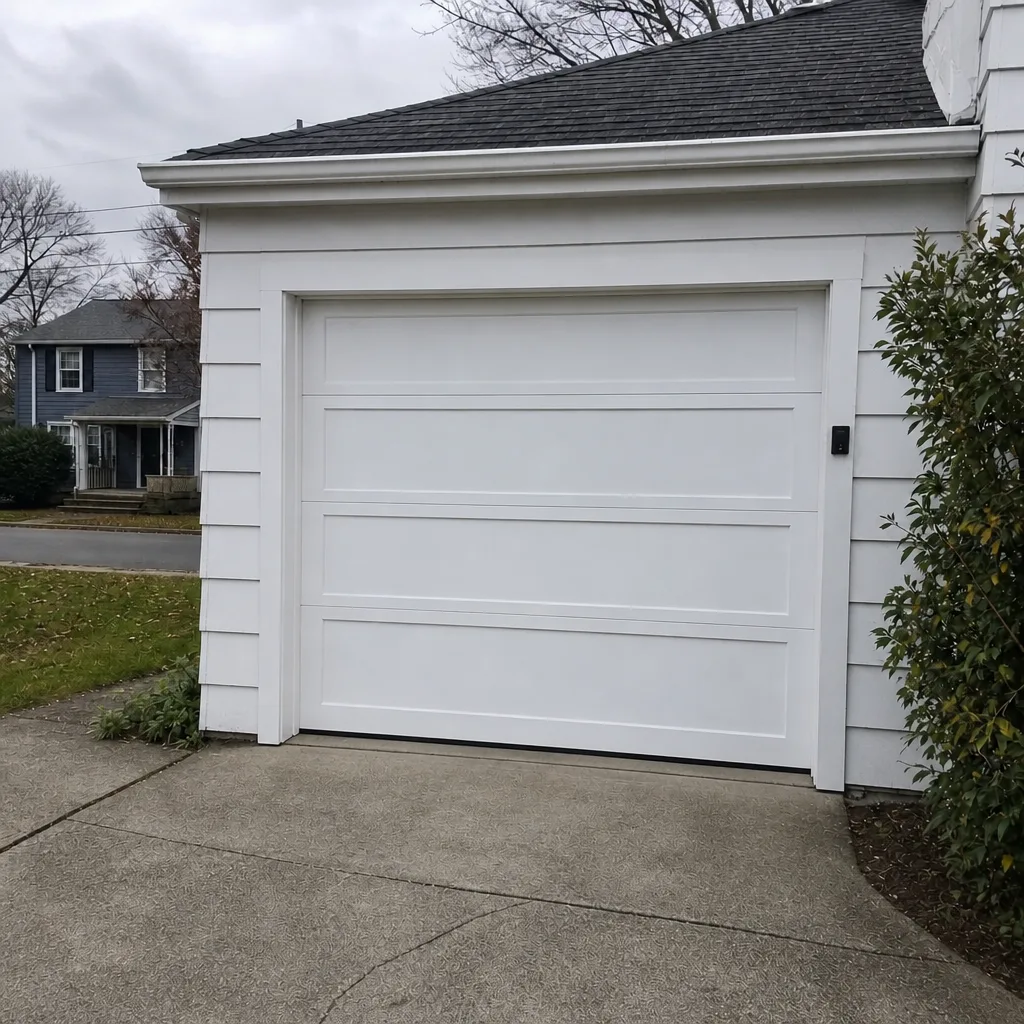 After
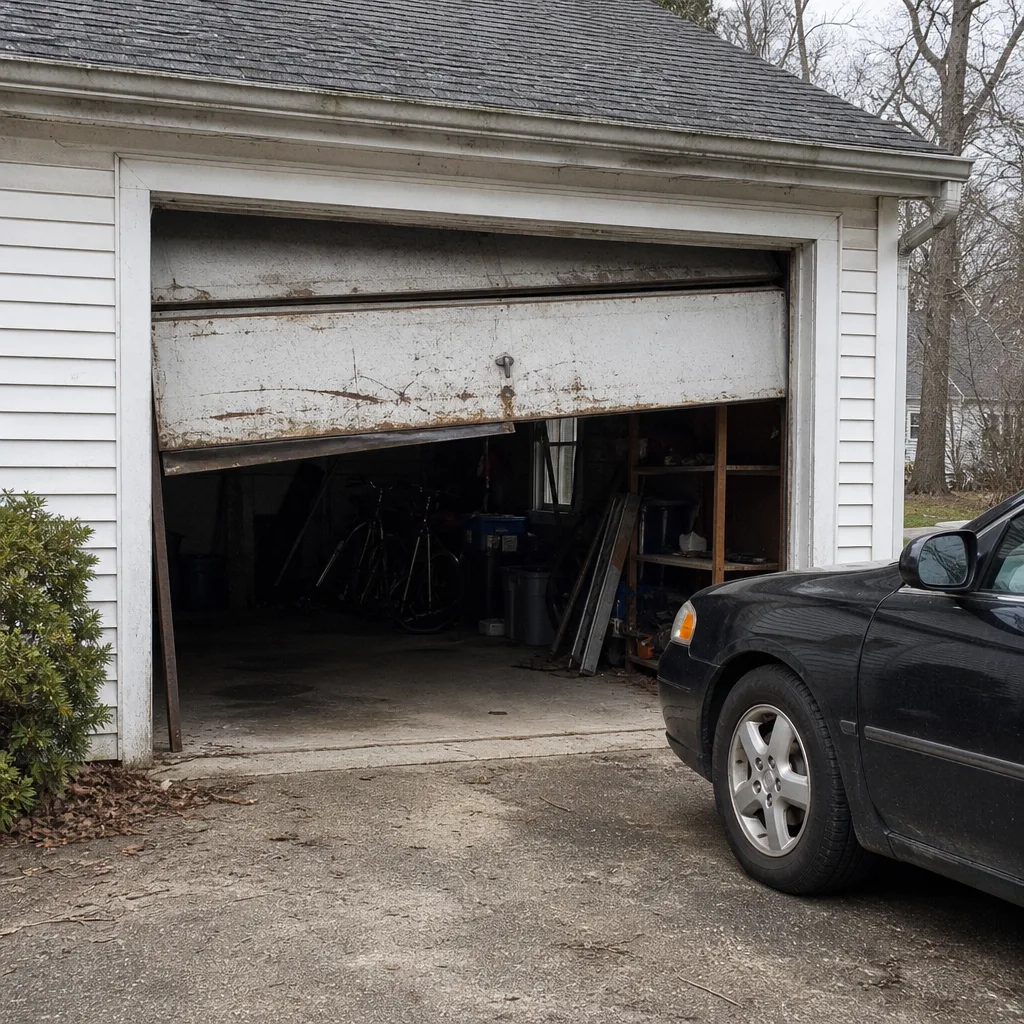 Before
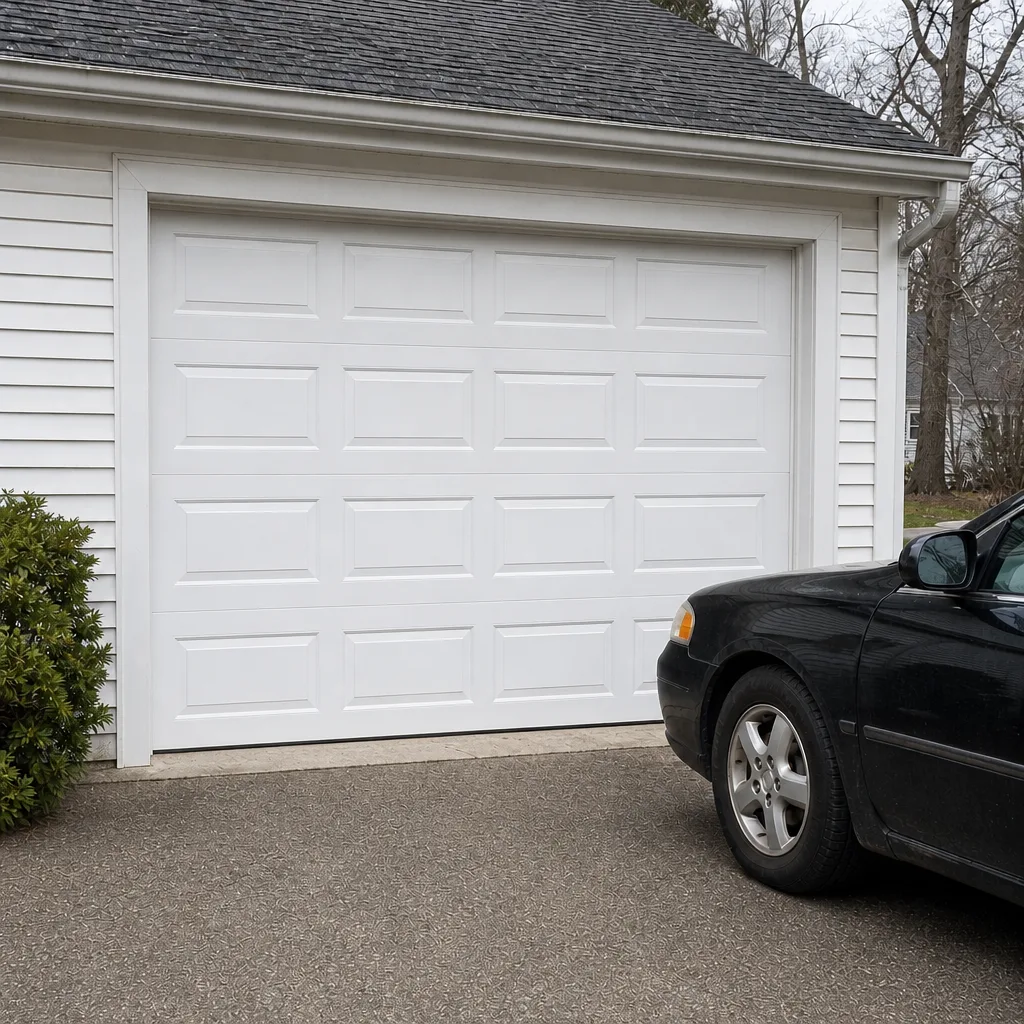 After
When to Call a Professional
Some garage door work is safe to plan and schedule; other work has to be handled by a specialist who does it every day. Call a professional when a torsion spring has failed or is making a loud popping sound, when the door is off its track or stuck half-open, when the opener’s motor runs but the door doesn’t move, or when a door has come off its hinges or is visibly out of balance. Those are the situations where a trained specialist matters most, and where the risk of injury from an untrained repair is real. We also recommend a professional for any job where the opening dimensions or the structure need to change, because the permit and code questions are part of the job.
Stamford Garage Door Repair Pros offers free estimates in Stamford – call (855) 337-1686. Our team handles spring repair, opener repair, and full door installation, and we work with the brand already in your garage. We quote every job in writing before the work starts.
Frequently Asked Questions
Usually not, if the replacement is the same size and doesn’t change the structure, framing, or electrical. A like-for-like swap is typically treated as maintenance and no permit is required. If the opening dimensions change, a new structure is being built, or an opener is being added to new construction, a permit is generally needed – call Stamford’s building department to confirm for your specific project.
A straightforward residential permit for a garage door replacement on an existing structure typically reviews in days to a couple of weeks. New construction, ADU additions, and anything that touches zoning run longer, sometimes several weeks, because plan review and zoning sign-off are part of the process. The best way to get a firm timeline is to call the building department with your specific scope. If you need an exact estimate for the door and installation itself, call (855) 337-1686 – estimates are free.
The inspector checks that the work matches the permitted scope – framing, header sizing, fastening of the track and spring hardware, fire separation on attached garages, and the electrical work if an opener was added. Safety features like the photo-eye and reversing function are usually part of the check. The inspection is a compliance check, not a quality review, so it moves quickly when the work matches the drawings.
It applies to the door between the attached garage and the living space, not the vehicle overhead door facing the driveway. Connecticut code requires fire separation on that wall assembly and a door that closes and latches on its own. If you’re replacing that interior door, use a rated unit; if you’re replacing the overhead door, the fire separation requirement usually isn’t the one that applies.
Yes, both can be affected. An insurer may contest a claim if the installation wasn’t permitted and inspected, and a buyer’s inspector or title search can flag unpermitted work during a sale, which can delay or complicate closing. Retroactive permits are possible, but they take time and sometimes require an inspection of work you didn’t do yourself.
Almost always yes. ADU construction is a permit-driven process, and the garage door is part of the permitted scope. The door spec – model, size, headroom requirement, and opener type – needs to be in the drawings so the framing and electrical rough-in are planned around it. Getting that spec right early saves rework later. Call (855) 337-1686 if you want help selecting a door that fits your build.
The Bottom Line
For most Stamford homeowners, a garage door replacement is a maintenance job and no permit is needed. The complications start when the opening changes, the structure changes, an opener is added to new construction, or the door is part of an ADU or new garage build. In those cases, the permit process is short, the inspection is focused, and the paperwork is far cheaper than a delayed closing or a contested insurance claim. If you’re replacing a spring, an opener, or a door on an existing structure, our team can help. Our technicians have up to 13 years of experience across brands including Genie, Clopay, Amarr, and Wayne Dalton. For garage door opener repair or a new door quote, call us and we’ll come out, look at the door, and give you a written price before any work starts.
When you’re ready for a free estimate, call (855) 337-1686. We’ll walk through your door, the brand, the opener, and the permit question together – and tell you in writing what the work will cost. If you want to start with a repair rather than a replacement, that’s fine, too. Not every door needs replacing, and not every project needs a permit. The right answer is the one that fits your garage, your home, and your plans.
Written by the team at Stamford Garage Door Repair Pros.