Last updated November 20, 2026
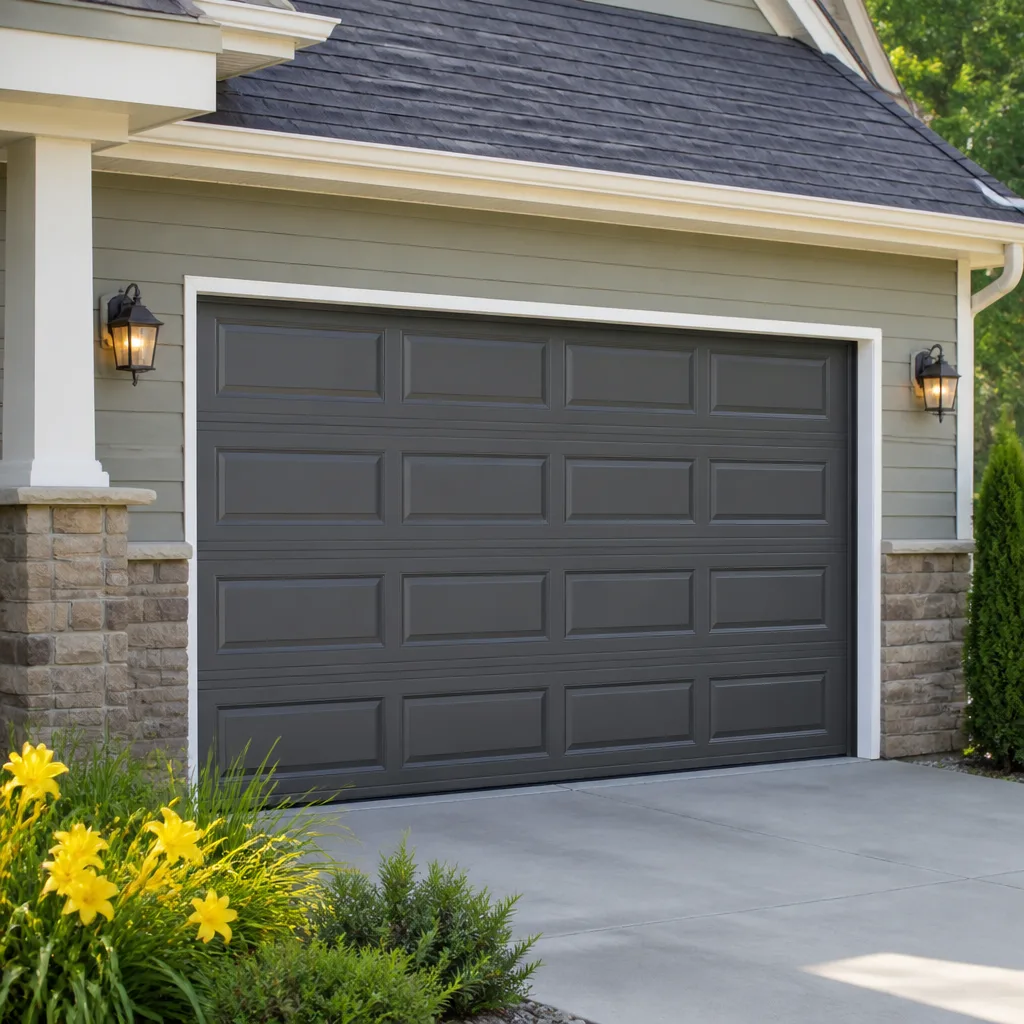 Raised-panel steel
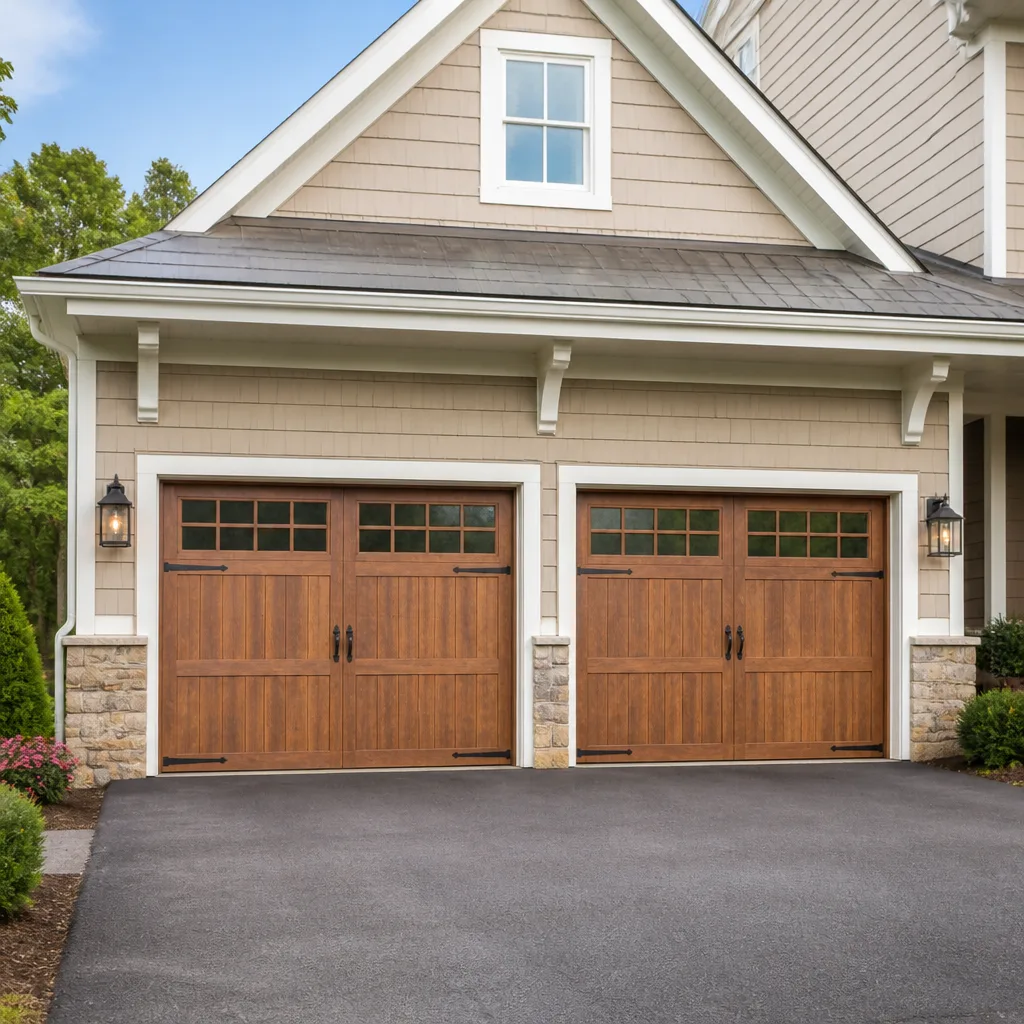 Carriage house
 Modern flush
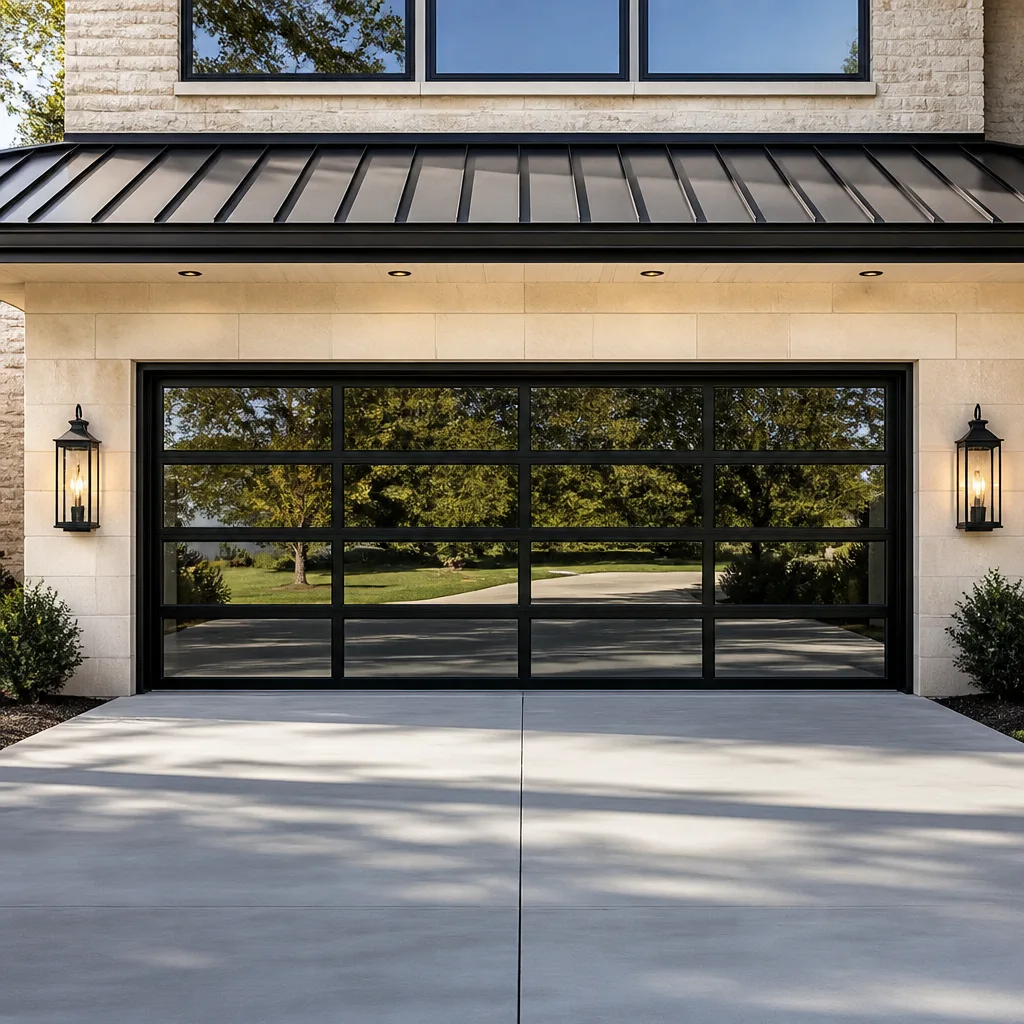 Full-view glass
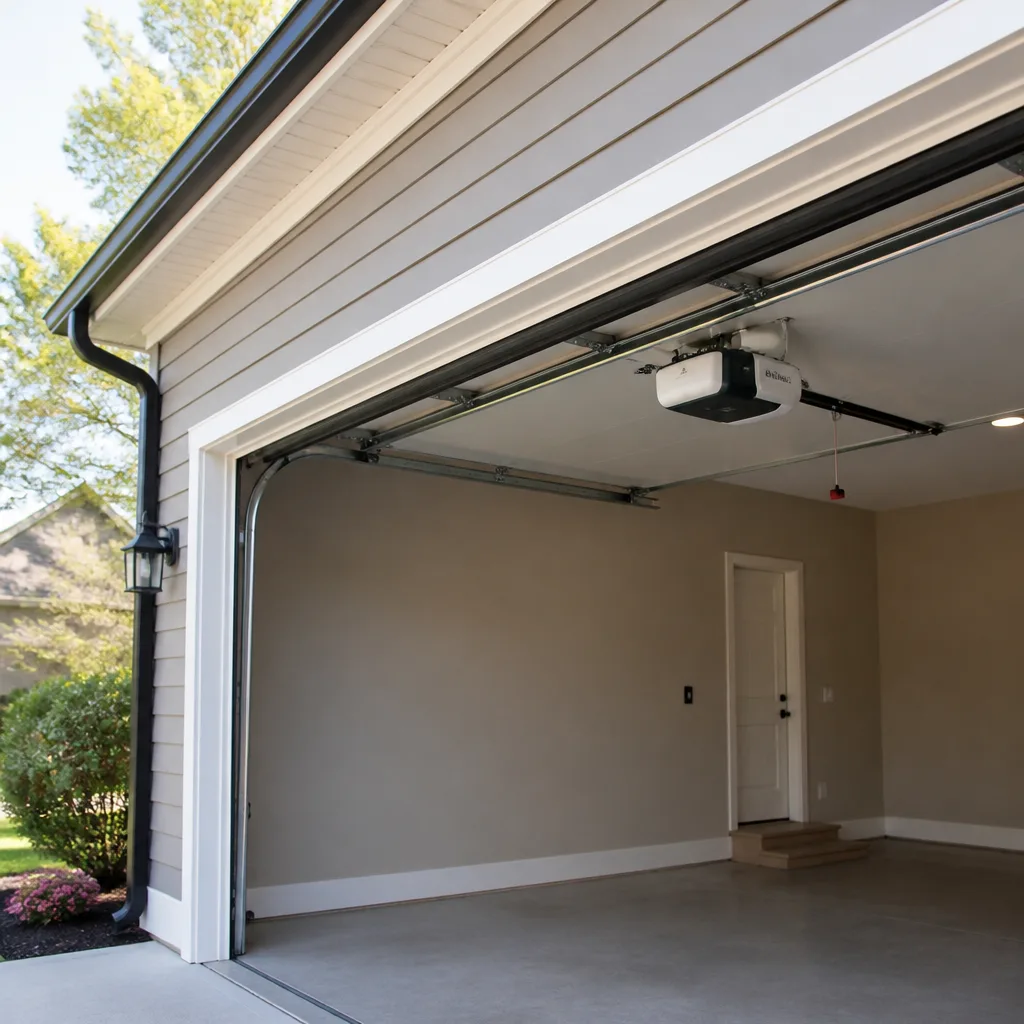 LiftMaster openers
 Chamberlain openers
Full 25-point door and opener safety check with every visit - springs, cables, rollers, tracks, and your LiftMaster or Chamberlain opener included
You get a price before we start. It does not change when the pro arrives.
Get your free estimateHow to Hire a Garage Door Contractor in Stamford: A Step-by-Step Guide
Connecticut does not require a specialty license to repair or install a residential garage door. That single fact rearranges how you should hire. The person quoting you on a torsion spring replacement may have learned the job last month, and nothing on a business card will tell you either way. It’s not that every unlicensed operator is a hack; it’s that the state isn’t checking, so you have to. This guide walks you through the vetting process step by step – what to verify before you call, what to ask on the phone, how to read a written estimate, and how to spot the tactics that show up around Stamford specifically. By the end you’ll know how to tell a specialist from an opportunist before anyone pulls into your driveway.
Quick Answer
To hire a garage door contractor in Stamford, verify liability insurance and workers’ compensation coverage first, then confirm the company works on your door and opener brand, get a written estimate that lists parts specs and warranty terms, and compare quotes by what’s actually being installed rather than by headline price. Connecticut doesn’t license garage door specialists, so the vetting burden falls on you – insurance certificates and a detailed written quote are the two things that separate real contractors from people with a truck.
Styles & brands we work with
- Raised-panel steel
- Carriage house
- Modern flush
- Full-view glass
- LiftMaster openers
- Chamberlain openers
Table of Contents
- What Connecticut Licensing Covers – And What It Doesn’t
- Why Insurance Certificates Matter More Than a Business Card
- The Five Questions to Ask Before Accepting Any Quote
- Red Flags Specific to the Stamford Market
- How to Compare Two Garage Door Quotes Accurately
- What a Legitimate Written Estimate Must Include
- Why Brand Fluency Changes the Diagnosis
- The Step-by-Step Hiring Process, Start to Finish
What Connecticut Licensing Covers – And What It Doesn’t
Connecticut does not issue a specialty license for residential garage door repair or installation. There’s no state exam, no continuing education requirement, no minimum apprenticeship hour count specific to the trade. A general contractor’s registration or a home improvement contractor registration covers certain categories of residential work, but it does not certify garage door competence. Those are two different things, and the gap between them is where bad hiring decisions happen.
What this means in practice: a company can be perfectly legal to operate in Stamford and still have no idea how to safely replace a torsion spring. The absence of a license requirement doesn’t make the work less dangerous – springs and cables are under extreme tension and can cause serious injury when handled by someone without training. It just means the state isn’t the one screening for it.
So you screen. The questions that matter become more concrete:
- Is the company registered to do home improvement work in Connecticut? Registration isn’t a skill test, but it does mean there’s a paper trail and a complaint process.
- Does the company carry general liability insurance? Ask for a certificate of insurance, not a verbal yes.
- Does it carry workers’ compensation coverage for anyone who comes onto your property? If a worker is hurt in your garage and the company has no coverage, the exposure can land on you as the homeowner.
- Does the company do garage doors as its primary business, or as one line item among twenty? Specialty matters more here than in most trades because the components are so unforgiving.
For a closer look at what professional-grade work looks like on the repair side, see our page on garage door repair.
Why Insurance Certificates Matter More Than a Business Card
In a licensed trade, a license number is a shortcut to a lot of verification. In garage door work in Connecticut, there’s no such shortcut, so insurance becomes the primary paper trail. A certificate of insurance is a document your contractor’s insurer issues directly. It names the policyholder, the coverage type, the limits, and the effective dates. Anyone can print a business card. Getting a certificate from an insurer takes an actual policy.
Here’s what to ask for, and why:
- General liability certificate. This covers damage to your property – the door panel that gets dropped, the opener rail that scratches a car, the window near the track that takes a hit. Ask for it to be emailed or texted before work begins.
- Workers’ compensation certificate. If a technician is injured on your property and the company has no workers’ comp, the situation can get complicated fast. A legitimate employer carries it. A solo operator may be legitimately exempt, which is worth asking about directly rather than assuming.
- The name on the certificate matching the name on the quote. A certificate for a different company name is a warning sign. It may be expired, borrowed, or simply not applicable to the job you’re hiring for.
None of this is about distrust. It’s about the fact that garage door work is physical, involves heavy components, and happens inside or attached to your home. A contractor who expects you to ask these questions will have the answers ready. A contractor who gets defensive about a certificate request is telling you something.
The Five Questions to Ask Before Accepting Any Quote
Before you sign anything, get answers to these five questions. They’re ordered roughly by how much they filter, so even asking the first two will thin the field considerably. Write down the answers – if you get two quotes, you’ll want to compare what each company actually said, not what you remember them saying.
- “Can you send me your certificate of insurance?” If the answer is yes and the certificate arrives, you’ve verified something real. If the answer is a vague “we’re fully insured” with no document, that’s not a verification, it’s a claim.
- “What brand is my door, and what brand is my opener?” A specialist will want to know. They’ll ask you to read the label, or look up the model, and they’ll tell you what they’re working with. Someone who doesn’t ask is planning to figure it out on the clock.
- “Are you certified to work on my opener brand?” Opener manufacturers run their own training and certification programs. For brands like LiftMaster, Chamberlain, Genie, and Craftsman, certification means the technician has been trained to that brand’s specific diagnostic logic, not just general opener repair. The same applies to door brands like Clopay and Amarr – dealer and installer programs exist, and asking whether the company participates is fair.
- “What exactly is in the quote, and can I have it in writing?” The parts, the labor, the warranty, the disposal of old parts, whether the price includes tax. All of it, in writing, before work starts.
- “What’s your warranty on this specific job?” Not “we guarantee our work” – the actual terms. How long, what’s covered, what voids it. A spring warranty is different from a labor warranty is different from an opener warranty, and a good contractor can explain the difference in plain language.
If any of those five get deflected, you’ve learned what you needed to learn. Move on.
Red Flags Specific to the Stamford Market
Stamford sits at the dense end of Fairfield County, which means a lot of contractors pass through. Some are excellent, some are opportunists who follow the work up and down the corridor. The following patterns show up often enough around Stamford that they’re worth flagging specifically.
- Spring quotes well below the local norm. A torsion spring replacement has a real floor on parts and labor. A quote that lands far under everyone else is usually one of two things: a cheap import spring with no real cycle rating, or a bait price that grows once the truck arrives. Ask what spring is going in and what its cycle rating is. The answer tells you which one you’re looking at.
- No physical address in Fairfield County, or an address that doesn’t check out. A company without a verifiable local presence is harder to hold accountable after the fact. This doesn’t mean the work will be bad, but it does mean your recourse if something goes wrong is thinner. Ask where the company is registered and check that it matches.
- High-pressure same-day upsell. A failed spring is urgent, and a good company will respond to it. But “we’re here now, and if you don’t replace the whole door today the price goes up” is a sales tactic, not a diagnostic. Repair and replacement are separate decisions, and you’re allowed to take a day to think about the second one.
- No written estimate, or a “we’ll work it out” quote. A legitimate garage door contractor can put the price on paper before touching the door. Refusing to do so is the clearest single red flag in this trade.
- Diagnosis without looking. A spring replacement quoted over the phone without seeing the door, or an opener diagnosed without testing the travel limits, is a guess dressed up as a price.
- Pressure to skip the safety check. A proper spring or opener job includes a balance test, a safety-reverse test, and a check on the cables and rollers. A quote that skips those is a cheaper job because it’s a smaller job.
The best defense against all of these is the same: get the quote in writing, itemized, and take an hour to compare. Spring components are the most dangerous part of the system, and the differences between grades of spring aren’t visible from the outside. Our garage door spring repair page explains what a proper spring job involves – worth reading before you accept a quote on one.
How to Compare Two Garage Door Quotes Accurately
Two quotes for the same spring replacement can differ by fifty dollars and still not be comparable. The headline number is the least useful part of the estimate. What you’re comparing is what’s actually going into the door.
Start with the spring itself. Torsion springs are rated in cycles – the number of open-close movements they’re designed to survive before fatigue. A standard builder-grade spring and a high-cycle spring look nearly identical from the outside, but their service lives and their prices are different. A cheap import with a low cycle rating and a one-year lifespan is not the same product as a spring built for a longer service life, even if the two quotes are close. Ask what the cycle rating is on the spring being quoted. If the company can’t tell you, that’s the answer.
Then look at the rest of the line items:
- Parts by brand and spec. Not “springs” – the actual spec. Not “opener” – the model. If the quote is vague, ask for specifics in writing.
- Labor scope. Is the old spring removed and disposed of? Is the door rebalanced after installation? Is the safety reverse tested? All of that should be in the labor line.
- Warranty terms. Parts warranty and labor warranty are separate. A lifetime spring warranty with a thirty-day labor warranty tells you something about where the risk sits.
- Any exclusions. What’s not covered, and under what conditions. If the quote doesn’t mention exclusions, ask.
When a fifty-dollar difference shows up, don’t assume the cheaper quote is the better deal. In garage door work, the fifty dollars usually lives in the parts spec. Sometimes it’s real savings on the same quality of work. Often it’s a different grade of component going into the same door. The written estimate is where you find out which.
What a Legitimate Written Estimate Must Include
A written estimate is the single most useful document in this transaction. It’s also the one thing a bad contractor will resist providing, which makes the refusal itself informative. Here’s what a real one contains, and what the absence of each piece tells you.
- The parts, by spec and brand. “Two torsion springs” is not a spec. “Two torsion springs, [cycle rating], [wire size]” is a spec. For an opener, it’s the model number. For a door, it’s the brand and model – Clopay and Amarr both have distinct product lines with different specs, and the quote should say which one you’re getting.
- The labor scope in plain language. Remove old parts, install new, rebalance the door, test the safety reverse, dispose of old parts. If any of those steps are missing from the labor description, ask why.
- The warranty, with terms. How long, on what, and what voids it. A warranty that isn’t written down isn’t a warranty.
- The total price, with tax and fees called out separately. A price that’s “about” something is not an estimate, it’s a placeholder.
- The date and the company’s name on the document. Basic, but telltale. Estimates on unmarked paper with no company name are hard to hold anyone to.
- Explicit confirmation that the price is the price. Any reputable contractor can tell you in writing that the quoted amount is what you’ll pay for the scope described, and that anything outside that scope requires your approval first.
If a contractor won’t put an estimate in writing, that’s the entire answer. The job doesn’t get done on a handshake price that grows once the truck is in the driveway. Whatever the reason for the refusal – disorganization, or a plan to revise the number upward – you’re better off with the company that put it on paper.
Why Brand Fluency Changes the Diagnosis
Garage door systems are more brand-specific than they look. Two openers that mount identically can have completely different diagnostic logic – where the travel limits are set, how the safety sensors are wired, what the error codes mean. Two doors that look alike in photographs can have different spring configurations and different track profiles. A technician who works across brands regularly builds a mental map of each one. A generalist rebuilds that map on your time.
This is where the manufacturer certification question pays off. Beyond brand fluency, the brands we work with most often – LiftMaster, Chamberlain, Genie, Clopay, Amarr, Wayne Dalton, Craftsman, and Raynor – each have their own quirks. LiftMaster and Chamberlain share a lot of design lineage (and myQ connectivity), but their diagnostic behavior doesn’t always match. Genie openers have their own distinct sensor and travel-limit conventions. Clopay and Amarr doors use different spring setups and track tolerances depending on the product line. Knowing the difference means the technician diagnoses by what the brand does, not by guessing until something works.
Ask a prospective contractor which brands they work on. A specialist will list specific ones and tell you why they matter. A generalist will say “all of them,” which is a different kind of answer. If your opener is a LiftMaster or your door is a Clopay, ask specifically whether they’ve worked on that product line. The follow-up questions will reveal the real answer.
For opener-specific diagnostics, our garage door opener repair page covers the brand-by-brand detail that a proper diagnosis starts from.
The Step-by-Step Hiring Process, Start to Finish
Here’s the whole process laid out in order. Most of it takes an afternoon of emails and one or two phone calls – well worth it compared to an expensive mistake on the other end.
- Identify the symptom before you call anyone. Is the door not opening at all, or opening unevenly? Is the opener running but the door not moving, or is the opener silent? Is the door hard to lift by hand? A clear symptom description makes it harder for anyone to quote a bigger job than you need, and it makes the diagnosis faster.
- Shortlist two or three companies. Look for garage door specialists, not general handymen. Filter for companies that name garage door work as their primary business, that publish the brands they service, and that have a verifiable Fairfield County presence. Near Stamford, that means checking that the name on the website matches the name on the insurance certificate and the name on the quote.
- Call and ask the five questions. Insurance certificate, brand identification, certification, written quote, warranty terms. You don’t need to get through all five on the first call – but if the first two derail, you’ve saved yourself a visit.
- Get a written estimate from at least two companies. Itemized, with parts specs, labor scope, and warranty terms. Compare the estimates side by side rather than by memory.
- Ask the questions the estimate raises. Why this spring spec, why this opener model, what voids the warranty. A good contractor answers these in plain language without defensiveness.
- Confirm the price is agreed before work starts. You should know the final number for the agreed scope before anyone picks up a tool. Anything outside that scope requires your approval first.
- Keep the paperwork. The estimate, the warranty, the insurance certificate, the receipt. If something goes wrong later, the paperwork is what you have.
For emergency situations – a door that won’t open, a spring that’s snapped with a car trapped inside, a door stuck open overnight – the process compresses but doesn’t disappear. Even an emergency call should come with a written estimate and an agreed price before work starts. Urgency is not a reason to skip the paperwork.
Common Mistakes to Avoid
- Hiring on price alone. The cheapest quote in Stamford is often the one with the least expensive spring in it. Compare parts specs, not just the bottom line.
- Accepting a verbal quote. A price that lives only in a phone conversation is a price that can change once the truck arrives. Get it in writing.
- Skipping the insurance check. A certificate of insurance takes the contractor two minutes to send. If they won’t send one, that’s telling you something about accountability on the back end of the job too.
- Letting a same-day upsell drive the decision. Repair and replacement are separate calls. A failed spring doesn’t obligate you to buy a new door, and any company that suggests otherwise is selling, not diagnosing.
- Assuming a generalist can do the work. Garage doors are a specialized system. A general handyman may be capable, but the training and brand familiarity that comes from doing the work daily isn’t the same as having done it a few times.
- Ignoring the brand question. A contractor who doesn’t ask which brand door and opener you have is planning to diagnose from scratch. That’s your time on the clock.
- Skipping the post-job safety check. After a spring or opener job, the door should be balanced, the safety reverse should be tested, and the rollers and cables should be inspected. If the technician doesn’t do that before leaving, ask them to.
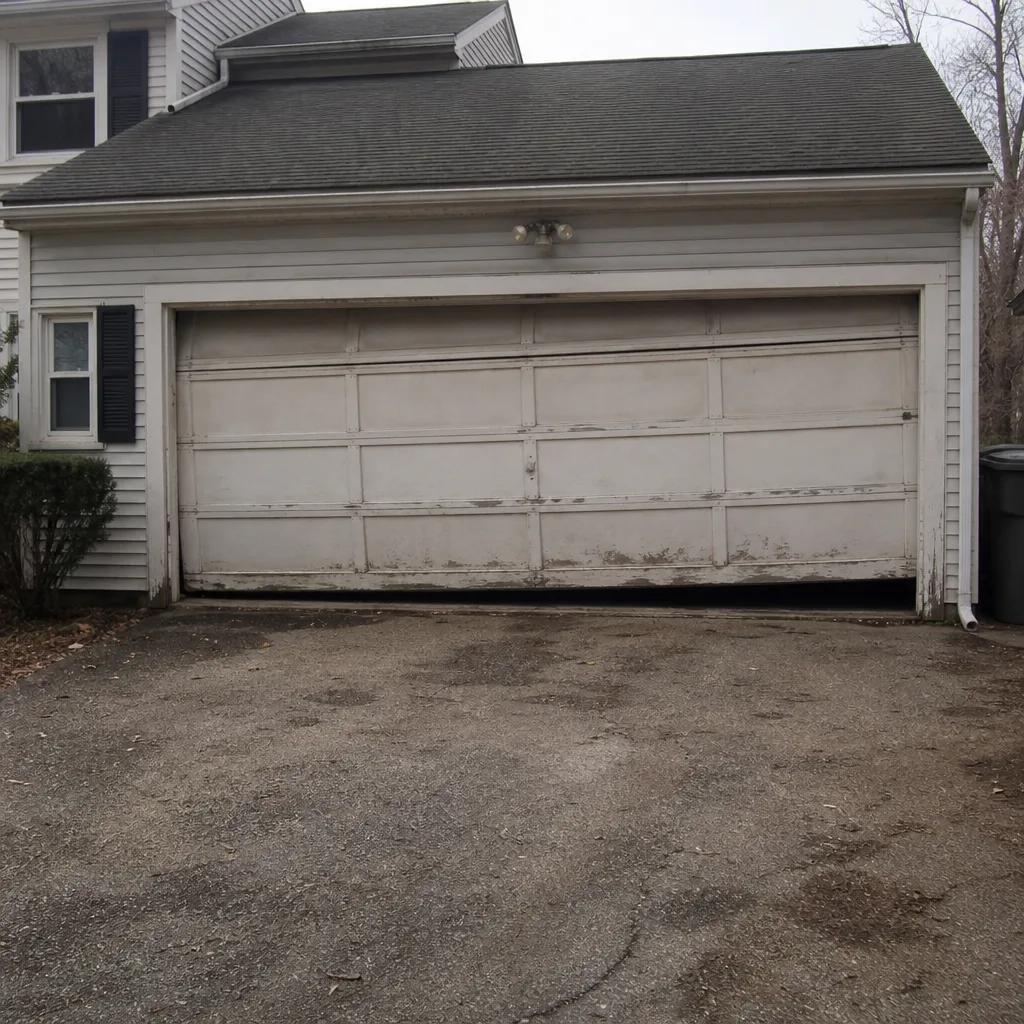
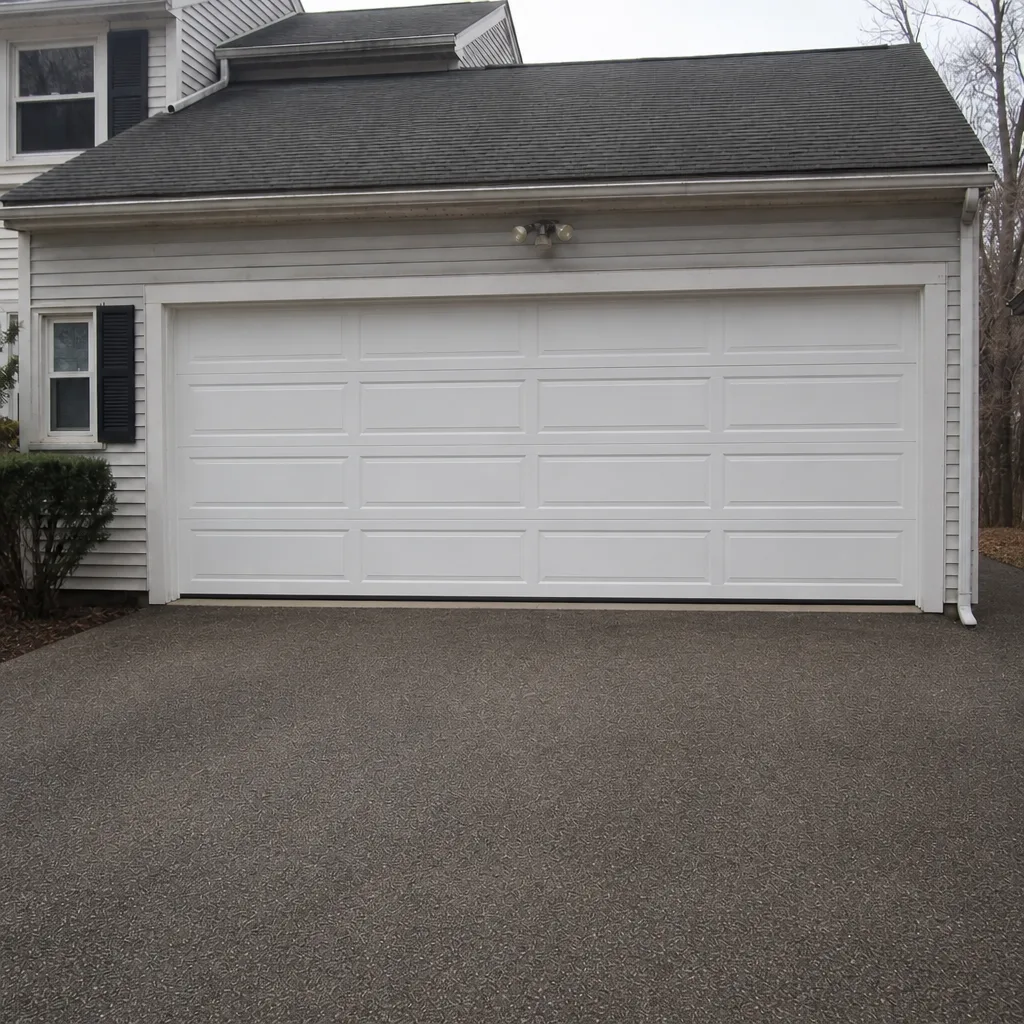
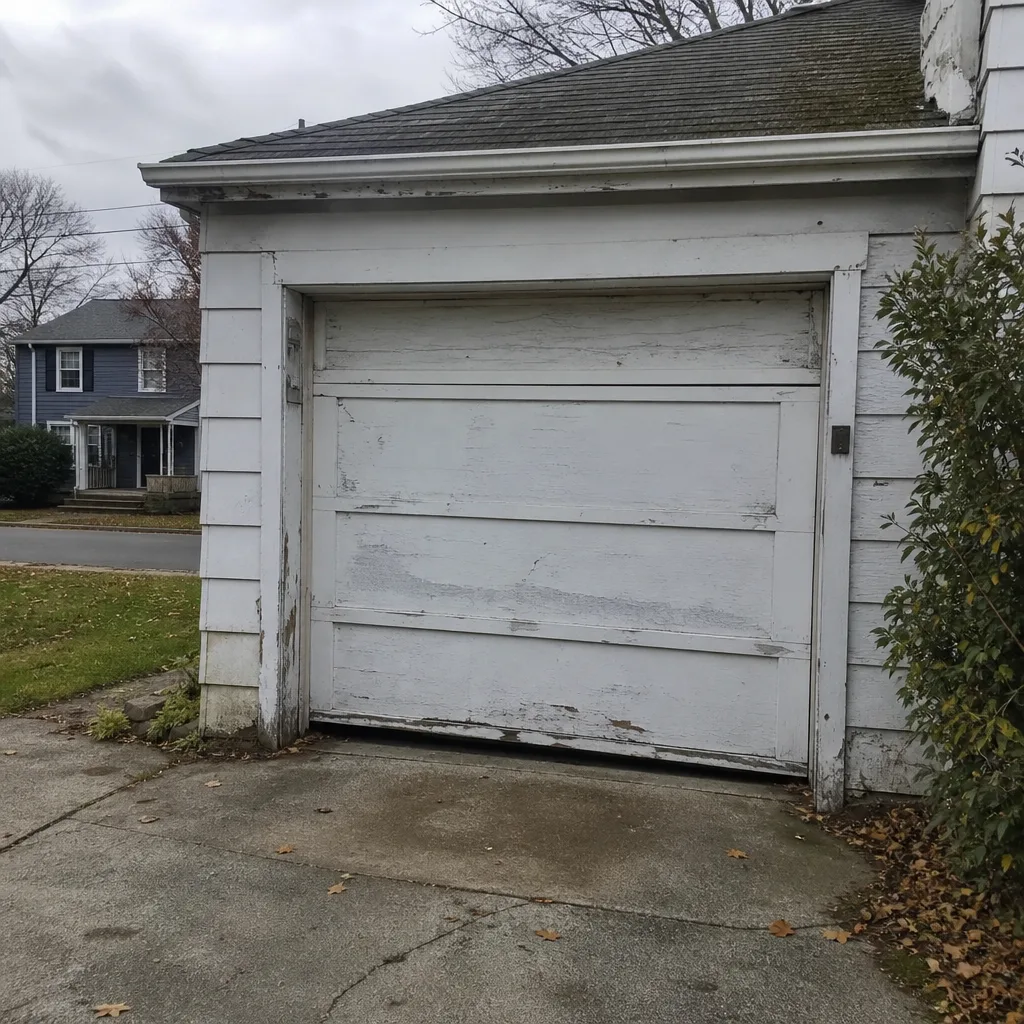
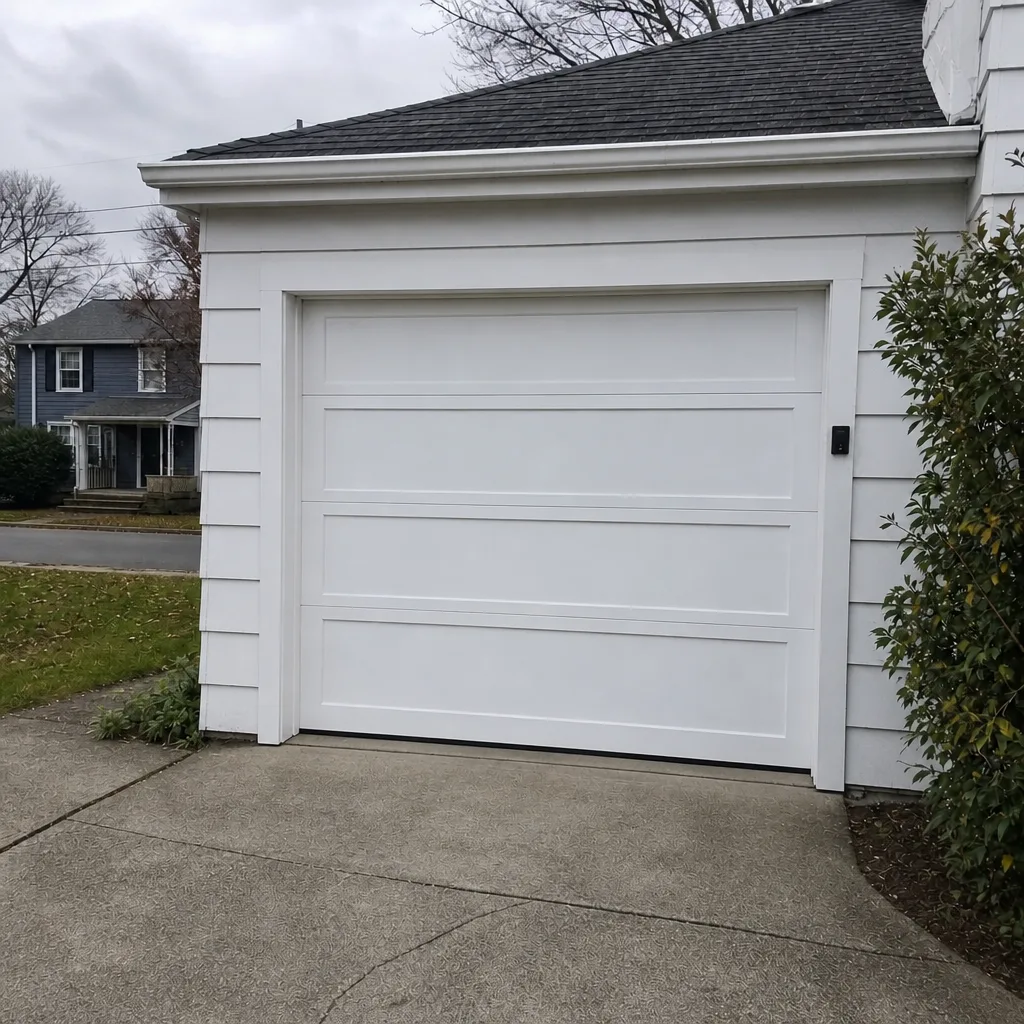
See the difference
 Before
 After
 Before
 After
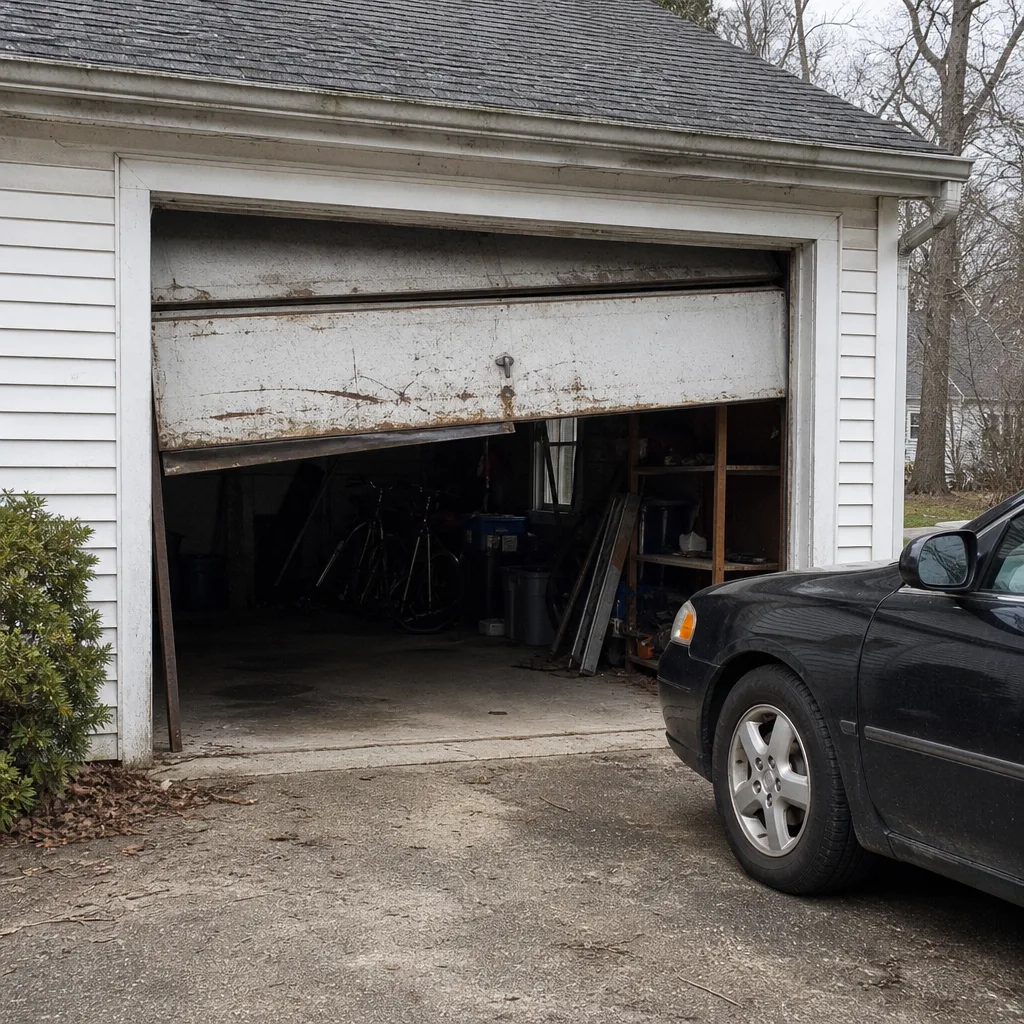 Before
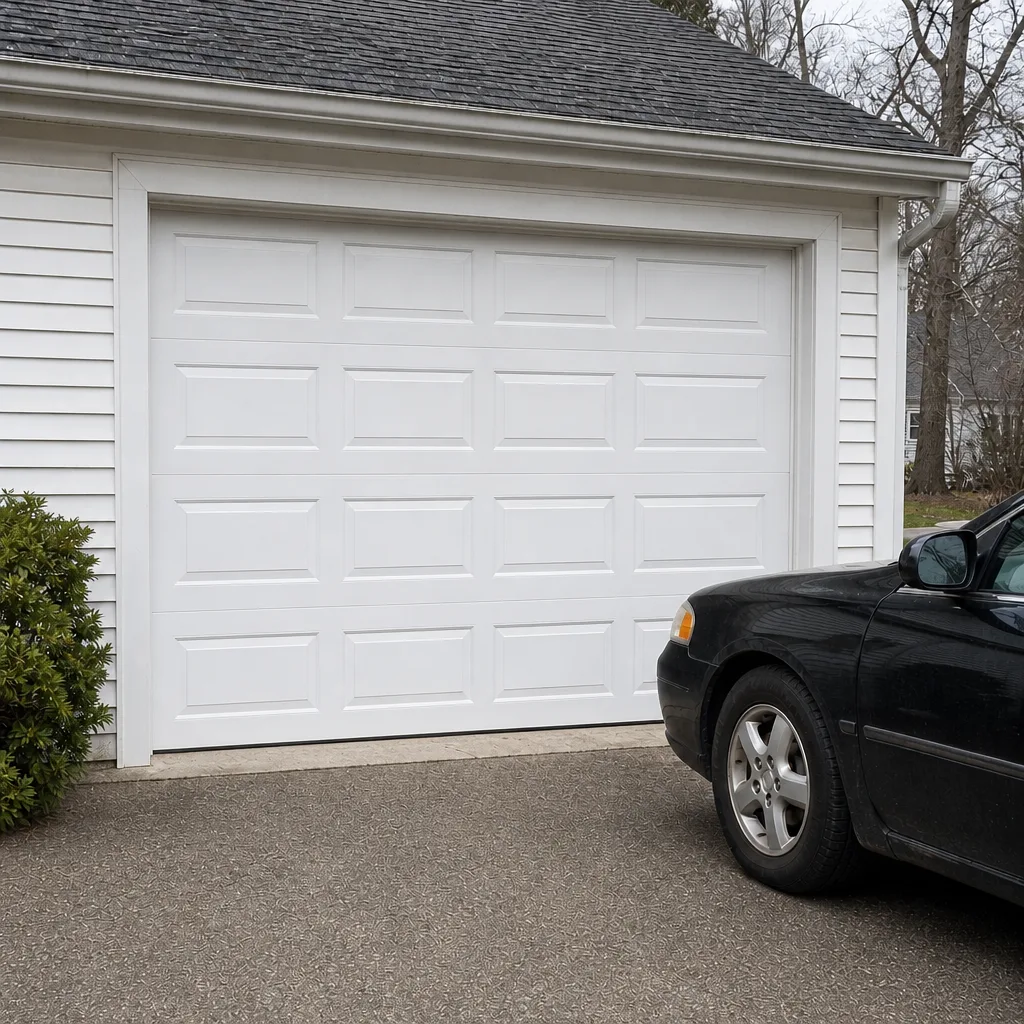 After
When to Call a Professional
Some garage door symptoms are safe to observe and slow to resolve. Others need attention before the day is out. Call a professional immediately if you hear a loud bang from the garage followed by a door that won’t lift – that’s a spring failure, and the door should not be operated. Call if the door is stuck open overnight and the house is unsecured, or if a car is trapped inside. Call if the door is closing on its own, reversing inconsistently, or the opener is running but the door isn’t moving. All of these are safety issues, not convenience issues. Never attempt a spring or cable repair yourself – torsion springs and the cables that run alongside them are under extreme tension and can cause serious injury in an instant. A trained technician with the right winding bars and the right training is the only safe path. For a closer look at what emergency service covers, visit Stamford Garage Door Repair Pros. We offer free estimates in Stamford – call (855) 337-1686.
Frequently Asked Questions
Connecticut doesn’t require a specialty license for residential garage door work, so the state doesn’t verify competence in this trade. That means you need to verify insurance, brand experience, and warranty terms yourself before hiring. Ask for a certificate of insurance and a written estimate – those two documents do most of the vetting work that a license would otherwise do. Call (855) 337-1686 for a free estimate – we’ll send the paperwork before anyone comes out.
Spring repair pricing depends on the spring type (torsion vs. extension), the cycle rating of the replacement, and whether it’s one spring or a matched pair. A matched pair is usually replaced together, and a pair typically costs about twice a single spring. Ask for a written quote that names the spring spec and the cycle rating – that’s the number that matters, not the headline price. Call (855) 337-1686 for an exact quote – estimates are free.
Emergency garage door service is available for doors that won’t open, doors stuck open, and spring failures that trap a car or leave a home unsecured. Call (855) 337-1686 and describe the symptom – a technician will confirm what’s available for your situation. Even on an emergency call, the price is quoted and agreed before any work starts.
No – the written estimate is the price for the scope it describes. If the diagnosis on arrival reveals something outside that scope (a damaged cable, a bent track, a failing opener), the technician will explain it and get your approval on a revised price before doing the additional work. Nothing gets added to the bill without your sign-off. Call (855) 337-1686 for a free estimate.
The local pros we connect you with are licensed and insured as their state requires, and we can provide insurance certificates on request. Connecticut doesn’t issue a specialty garage door license, so insurance coverage is the more meaningful verification here. Ask for the certificate before work starts – any legitimate contractor will send it without hesitation.
We work across eight major garage door and opener brands, including LiftMaster, Chamberlain, Genie, Clopay, Amarr, Wayne Dalton, Craftsman, and Raynor. That range matters for diagnosis – each brand has its own travel-limit conventions, sensor behavior, and spring configurations, and technicians who work across those brands regularly diagnose by what the brand does rather than by guesswork. Call (855) 337-1686 and tell us which brand is on your door.
The Bottom Line
Hiring a garage door contractor in Stamford comes down to verification, because the state isn’t doing it for you. Ask for insurance certificates, ask which brands the company works on, ask for a written estimate with parts specs and warranty terms, and compare quotes by what’s actually going into the door rather than by the number at the bottom. The fifty-dollar difference between two spring quotes usually lives in the spring. The refusal to put a quote in writing usually lives in a plan to change it later. Do those checks, and you’ll hire the specialist instead of the opportunist – every time.
Written by the team at Stamford Garage Door Repair Pros.